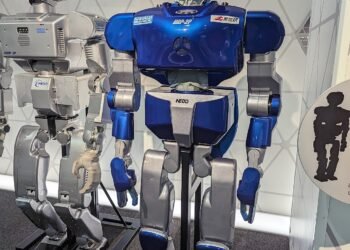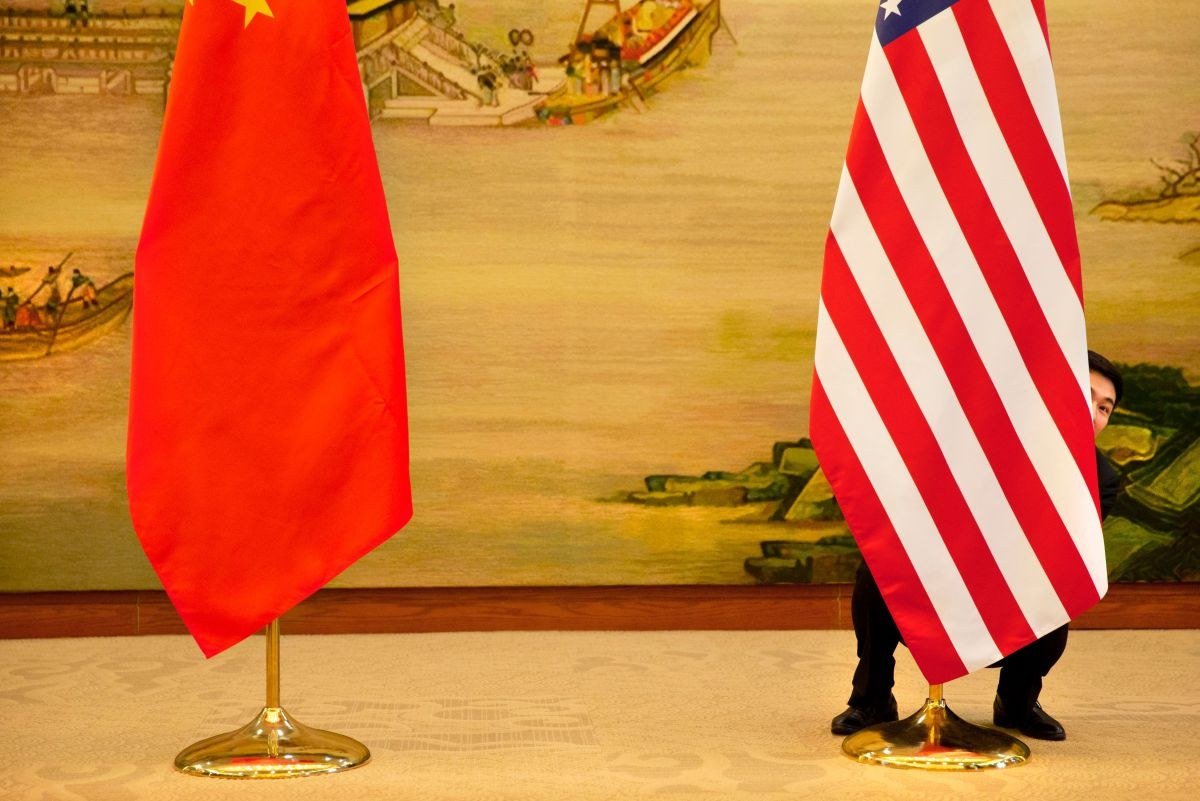
Washington has decided that the safest drone is one that isn’t made in China. Over the past year, the United States has steadily narrowed the runway for foreign-built drones and robots, treating hardware that flies and hardware that walks as a national security problem rather than a consumer choice. The logic is intuitive. Keep the sensitive machines domestic, or at least allied, and you keep the data, the supply lines, and the leverage. The trouble is that barriers assume the game stays on one field. China’s advantage is that it can pick up the ball and play somewhere else.
The wall is going up
TechCrunch laid out the shape of the shift in an August 30 piece with a blunt thesis: the U.S. is building barriers around drones and robots, and China still has scale. That word, scale, is the whole argument. American policy can restrict what enters American airspace and what ends up in American warehouses. It can push federal agencies, contractors, and eventually private buyers away from hardware with the wrong passport. What it cannot easily do is shrink the manufacturing base that makes Chinese drones cheap, plentiful, and improving fast.
Restriction works best when the thing being restricted is rare or hard to reproduce. Drones are neither. The consumer and commercial drone market grew up around Chinese production, and the same factories now feed a robotics push that runs from warehouse arms to humanoids. When a country can make something at enormous volume and low cost, cutting off one buyer does not starve the producer. It just sends the product looking for other customers.
Scale changes the math
Consider what a barrier actually accomplishes here. Blocking Chinese drones from U.S. markets protects a specific set of buyers and a specific set of concerns. It does very little to slow the underlying engine. A manufacturer shut out of the United States still has Southeast Asia, Latin America, Africa, the Middle East, and much of Europe to sell into. Every one of those markets is a place where the price and availability of a Chinese drone matter more than its country of origin.
That is the part American policy struggles to reach. The competition over drones and robots was never only about who buys the machines. It is about who sets the default. When a technology becomes the affordable standard across dozens of countries, its maker accumulates something more durable than any single contract: the software ecosystems, the repair networks, the developer habits, and the operational know-how that grow up around a piece of hardware that is simply everywhere. Scale is not just a manufacturing statistic. It is a head start on the standard.
Robotics raises the stakes because the field is younger and the defaults are still being written. Drones already have an installed base and a set of expectations. Humanoids and general-purpose robots do not, which means the country that ships the most units earliest gets to teach the world what these machines are supposed to cost, how they should be programmed, and what they can be trusted to do. A barrier that keeps those units out of one market does nothing to stop them from defining the category everywhere else.
What a barrier can and cannot buy
None of this makes the American approach pointless. There are real reasons a government might not want surveillance-capable hardware from a strategic rival flying over critical infrastructure or crawling through supply chains. Protecting sensitive markets is a legitimate goal, and for defense and government use the calculus is different from the calculus for a hobbyist filming a wedding. The real question is whether restriction is being asked to do a job it cannot do.
A wall protects what is behind it. It does not decide what happens on the other side. If the aim is national security, keeping specific machines out of specific hands is a defensible tactic. If the aim is winning the broader contest over who builds the world’s drones and robots, a wall is close to beside the point, because the contest is global and the other side has the volume to route around any single closed door.
Read the TechCrunch framing closely and an uncomfortable possibility appears: the United States may be optimizing for the wrong scoreboard. Domestic protection and global leadership are not the same prize, and the tools that deliver one can quietly cost you the other. A country that walls off its own market can feel like it is winning while the competitor it shut out keeps expanding everywhere the wall does not reach.
Watch where the next wave of Chinese drones and robots lands, not where it is blocked. If the barriers hold at home while Chinese hardware becomes the default across the rest of the world, the U.S. will have won a defensive fight and lost the one that sets the terms for the next decade. Scale has a way of deciding these things long after the policy debate has moved on.
For more coverage of the U.S.-China drone and robotics race, visit Mylistingo.
Source: Original Article
The Netherlands, for internationals
One email a week: the week's news for internationals in the Netherlands, new practical guides and what changed in the cities. No spam, unsubscribe any time.