Bessent draws a new line on Chinese AI
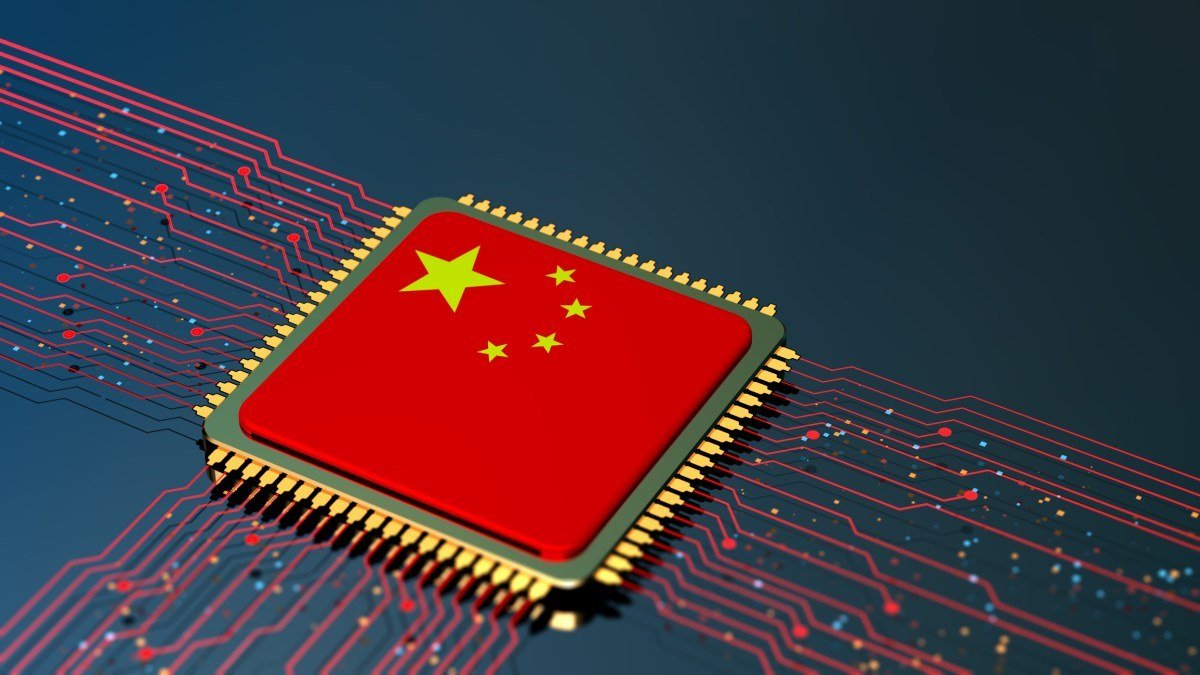
Treasury Secretary Scott Bessent has floated a weapon Washington has never aimed at an algorithm before. In remarks reported by TechCrunch, Bessent said the United States could impose sanctions on Chinese open AI models over what he described as intellectual property theft. That is a notable escalation. Sanctions have long been the tool of choice against banks, oil traders, and arms networks. Pointing them at freely downloadable software is something else entirely.
The threat lands as the Trump administration keeps tightening the screws on China’s AI ambitions. Export controls on advanced chips came first. Restrictions on the equipment used to make those chips followed. Now the target appears to be the models themselves, the trained systems that companies and researchers around the world can pull down and run on their own hardware. Bessent’s comments suggest the White House sees those open releases not as academic generosity but as a competitive threat built, in its telling, on stolen American work.
Why open models complicate the fight
Here is the awkward part for anyone trying to enforce this. An open model is not a shipment you can stop at a port. Once a set of weights is published, it spreads. Developers mirror it, fork it, fine-tune it, and fold it into their own products within days. Chinese labs have leaned hard into open releases precisely because that reach is hard to contain, and because free distribution builds a global user base that closed American systems have to compete against on price and openness at once.
Sanctions are designed to cut a target off from the U.S. financial system and to make American companies and individuals think twice before doing business with them. Applied to an AI model, the mechanics get strange fast. Would a U.S. developer face penalties for downloading a sanctioned model? For hosting it? For building on top of a fine-tuned version three steps removed from the original? Bessent’s statement raises those questions without answering them, and the answers will matter enormously to the cloud providers, startups, and academic labs that treat open weights as raw material.
The intellectual property claim sits at the center of the case. The administration’s argument, as Bessent framed it, is that Chinese models were built on IP taken from American firms. Proving that is harder than asserting it. Modern models are trained on vast, overlapping pools of data and shaped by techniques that circulate through published papers and shared code. Drawing a clean line from a specific act of theft to a specific released model is the kind of thing that keeps litigators busy for years. Whether the Treasury intends to meet that bar, or simply wants the threat to hang in the air, is an open question.
A campaign that keeps widening
What is clear is the direction of travel. Each move in this campaign has reached a little further up the technology stack. Chips were the obvious chokepoint, since a handful of companies dominate the high end and the manufacturing equipment behind them. Software is messier terrain. You cannot revoke a model that has already been copied onto ten thousand machines, and enforcement that only bites inside U.S. borders may do little to slow adoption everywhere else.
That gap between ambition and enforceability is the tension worth watching. Sanctions send a signal even when they are difficult to police, and the signal here is aimed as much at American companies as at Chinese labs. A firm weighing whether to build its product on a popular Chinese open model now has to factor in the possibility that Washington could declare that model radioactive. For some, that uncertainty alone will be enough to look elsewhere, which may be exactly the outcome the administration wants.
There is a strategic wrinkle, too. Open Chinese models have become popular in part because they are capable and cost nothing to license. Choke off their use in the American market and you hand a real advantage to domestic model makers, several of which have lobbied for exactly this kind of pressure. A policy dressed as IP enforcement doubles neatly as industrial protection.
For now, Bessent has offered a threat rather than a rule. No specific model has been named, no mechanism spelled out, no timeline given. But the fact that a Treasury secretary is talking about sanctioning software at all marks a shift in how the U.S. plans to fight the AI race. The next thing to watch is whether the administration names a target, and whether the machinery of sanctions can be made to fit an object as slippery as a set of open weights. If it tries and fails, the bluff gets called. If it succeeds, the definition of what can be sanctioned expands well beyond anything Washington has attempted before.
For more coverage of US-China AI policy, visit Mylistingo.
Source: Original Article
The Netherlands, for internationals
One email a week: the week's news for internationals in the Netherlands, new practical guides and what changed in the cities. No spam, unsubscribe any time.