Scientists analyzing samples from the asteroid Ryugu have made a surprising discovery. The material collected by Japan’s Hayabusa2 mission contains traces of microbial life. But these organisms did not originate in space. They are Earth-based microbes that colonized the samples after they landed on our planet. The finding highlights a major challenge in the search for extraterrestrial life.
What the Ryugu samples revealed
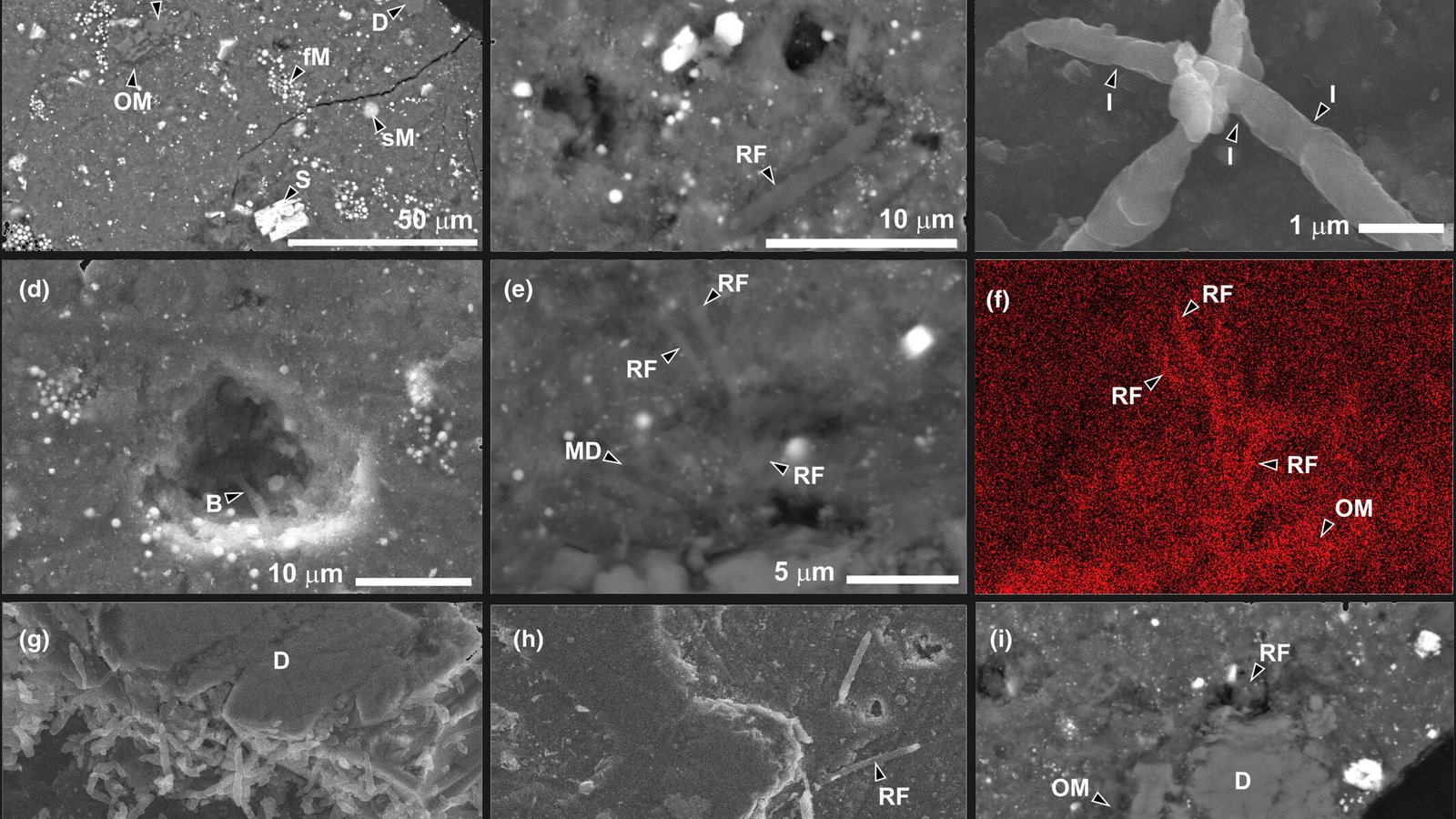
The Hayabusa2 spacecraft returned about 5.4 grams of material from Ryugu in December 2020. Researchers expected the samples to be sterile given the harsh conditions of space. However, a new study published in the journal Meteoritics and Planetary Science reports the presence of filamentous microorganisms embedded in the asteroid fragments. The team used advanced imaging and DNA analysis to identify the microbes as terrestrial in origin.
The contamination likely occurred during sample handling or storage. Despite rigorous protocols, microorganisms found a way to colonize the organic matter present in the Ryugu fragments. This discovery does not mean we found alien life. It means we brought our own life with us, and it adapted to a new environment.
The lead author of the study emphasized that the finding is a cautionary tale. If Earth microbes can colonize asteroid samples so readily, then future missions to Mars or the icy moons of Jupiter and Saturn will face even greater challenges. Contamination could ruin the search for authentic extraterrestrial biosignatures.
Implications for planetary protection
The Ryugu finding underscores why space agencies invest heavily in clean rooms and sterilization techniques. The Outer Space Treaty requires that missions avoid harmful contamination of other worlds. But this study shows that even with the best practices, contamination can happen. The microbes found in the Ryugu samples were likely introduced after the samples arrived on Earth, not during the collection process.
The researchers noted that the microbial filaments were concentrated in areas rich in organic compounds. These compounds, which include carbon-based molecules, are exactly the kind of material that future missions will target when searching for signs of life. If we cannot keep our samples clean, we may never know if we have found something truly alien.
This problem is not limited to returned samples. Rovers and landers on Mars also carry Earth microbes despite extensive cleaning. The Perseverance rover, for example, underwent intense sterilization before launch. Still, some hardy bacteria survived. The Ryugu study suggests that these stowaways could confuse instruments designed to detect life.
The road ahead for sample return missions
NASA and JAXA are planning even more ambitious sample return missions. The OSIRIS-REx mission returned material from the asteroid Bennu in September 2023. China’s Chang’e 5 and Chang’e 6 missions brought lunar samples back to Earth. And the Mars Sample Return campaign, a joint NASA-ESA effort, aims to bring Martian rocks and soil to our planet in the early 2030s. Each of these missions must contend with the risk of contamination.
The researchers behind the Ryugu study recommend stronger containment procedures. They suggest using multiple layers of sealing, working in glove boxes with purified atmospheres, and developing better methods to detect microbial DNA. They also advocate for more research into how Earth organisms interact with extraterrestrial materials.
This discovery also raises questions about the nature of life itself. If terrestrial bacteria can survive and reproduce on asteroid fragments, it suggests that life is more resilient than we thought. It also means that our attempts to find life elsewhere may be hampered by our inability to keep our own life away from the samples. The search for alien life may require not just better instruments but also a deeper understanding of our own biological contamination.
The Ryugu samples are still yielding data. Scientists continue to study them for clues about the early solar system, the origins of water on Earth, and the organic chemistry that preceded life. But the microbial finding will likely change how future missions are designed. It is a reminder that the hardest part of finding life beyond Earth may be proving that we did not bring it with us. For more insights on the future of space exploration and AI-driven analysis, check out Mylistingo.
The Netherlands, for internationals
One email a week: the week's news for internationals in the Netherlands, new practical guides and what changed in the cities. No spam, unsubscribe any time.