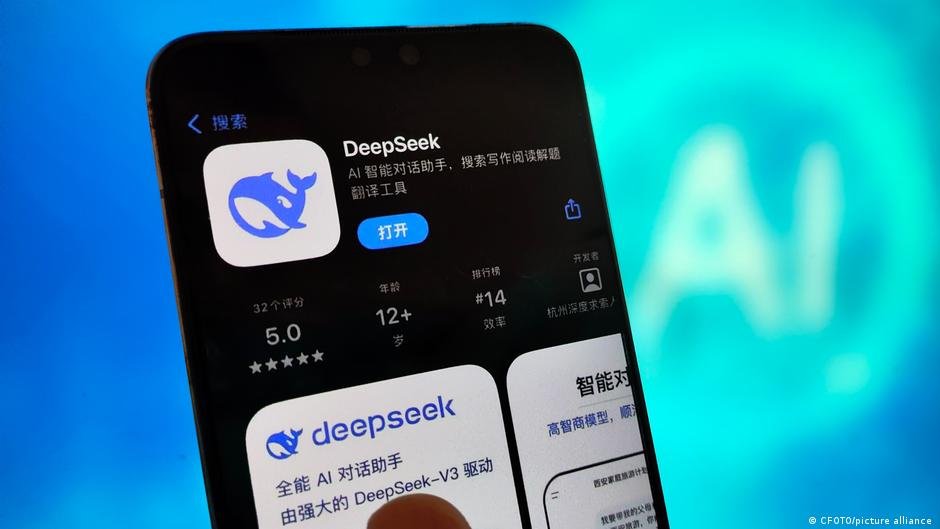
Markets took a sharp turn this week as a relatively unknown Chinese AI lab, DeepSeek, sent tremors through the global technology sector. The company released an open source large language model that appeared to perform at a level competitive with leading proprietary systems from US giants. The immediate financial fallout was severe with major American AI companies losing a combined $190 billion in market capitalization in a single trading day.
A shift in the AI power dynamic
DeepSeek, a startup based in Hangzhou, published its model and its technical documentation online making both the code and the training methodology freely available. This move challenges the fundamental business model of companies like OpenAI and Anthropic which have relied on keeping their most advanced models behind paywalls or commercial licenses. Investors reacted swiftly by reassessing the long term value of these proprietary platforms.
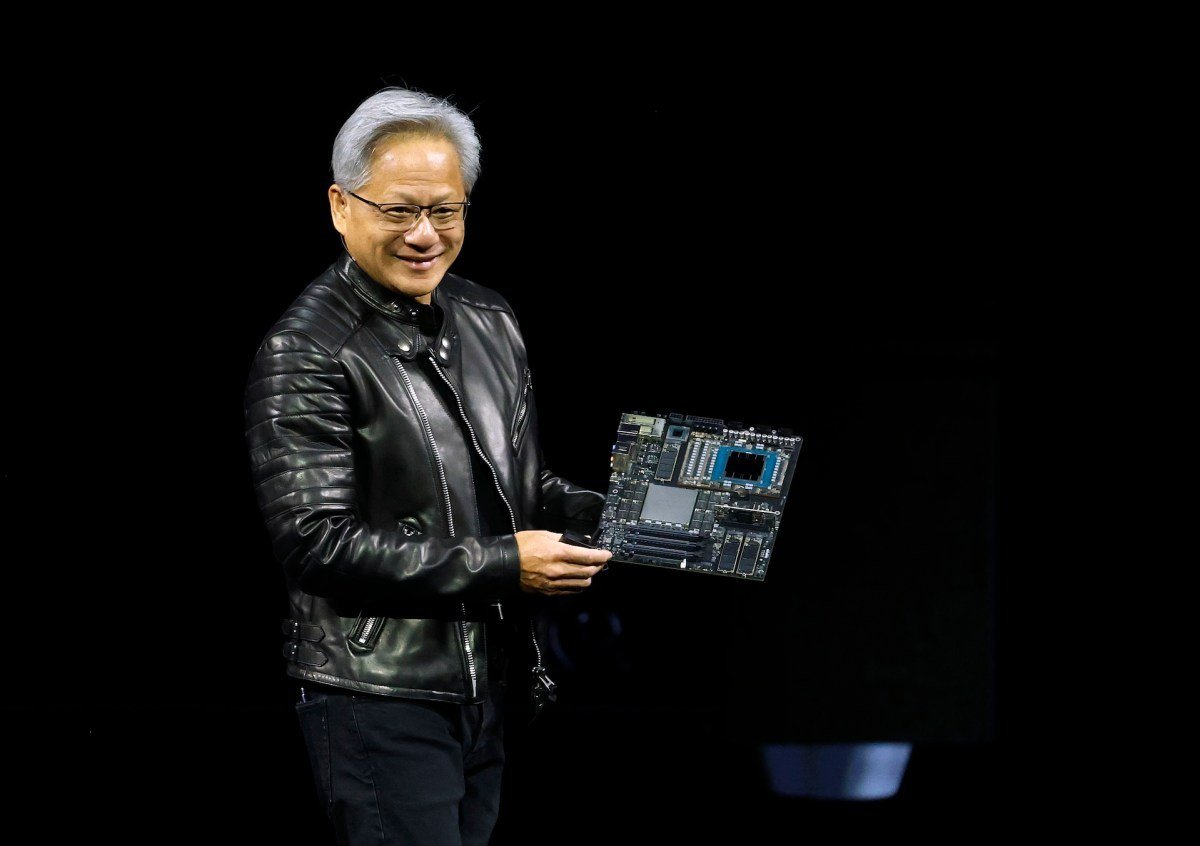
The sell off hit hardware makers and cloud providers as well. Nvidia, whose chips power most large scale AI training, saw its stock drop significantly. Microsoft and Alphabet also experienced notable declines. The combined $190 billion figure reflects the broad based nature of the rout across the AI ecosystem.
What made the DeepSeek announcement particularly jarring was the claim of efficiency. The company stated that it trained its model using a fraction of the computing resources that US labs typically require. If that claim holds up under scrutiny, it suggests that the era of exponential compute scaling may be giving way to an era of algorithmic optimization. That would reduce the moat built on access to expensive hardware.
Open source versus proprietary models
The tension between open and closed AI development is not new but DeepSeek has forced the conversation into the open with undeniable market consequences. Meta had already released its Llama models openly but those were not seen as direct threats to the leaders. DeepSeek is different. Early benchmarks show it matching GPT 4 and Claude 3 on several standard reasoning and coding tasks.
For enterprise customers and developers, the choice becomes clearer by the day. Why pay per token for API access when a free model that runs locally or on your own cloud infrastructure delivers comparable results? That question is now on the table for every CIO evaluating AI procurement.
The reaction from US lawmakers was predictable. Several members of Congress called for tighter export controls on AI chips to China. But DeepSeek already trained its model on chips that were legally available or through alternative supply chains. Restricting hardware further may not stop the next open source challenger.
DeepSeek did not just release a model. It released a philosophy. By publishing its training data composition and its reward modeling techniques, it invites the global research community to build on its work. That is the kind of transparency that accelerates the entire field but it also undermines the commercial exclusivity that US companies depend on.
What comes next for the AI industry
The $190 billion loss is a single day snapshot. Markets often overreact and some of that value may return. But the signal is real. Investors now understand that AI leadership is fragile. A team of researchers on the other side of the world can publish a paper and a model and wipe billions off the market value of established players.
This does not mean proprietary models are dead. Enterprise customers still want guaranteed uptime, security audits, and support contracts. But the premium they will pay for those services may shrink if open source alternatives continue to improve. The onus is now on US labs to demonstrate why their closed systems justify the cost.
DeepSeek also shows that talent and ingenuity are more widely distributed than Silicon Valley assumed. The next big advance in AI could come from any country not just from a handful of wealthy coastal cities. For investors, that means diversification. For technologists, it means staying curious about work happening outside the usual centers of gravity.
The industry is entering a phase where openness is not just a philosophical stance but a competitive weapon. Companies like DeepSeek are proving that sharing your work can be more disruptive than hoarding it. The path forward will require a new calculus around value, transparency, and speed. For a deeper look at how these dynamics will reshape investment strategies, read our analysis on Mylistingo.
The Netherlands, for internationals
One email a week: the week's news for internationals in the Netherlands, new practical guides and what changed in the cities. No spam, unsubscribe any time.