Dutch EV Market Shifts as Tesla Faces European Sales Decline
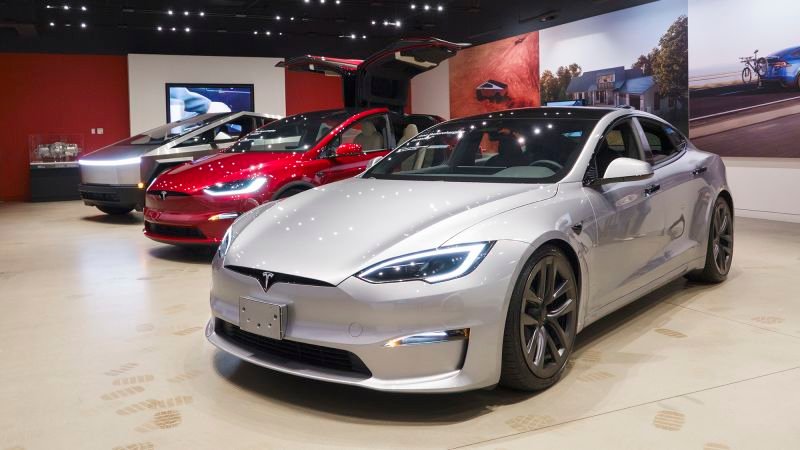
The Netherlands, long one of Europe’s most enthusiastic electric vehicle markets, is experiencing a notable shift in consumer preferences as Tesla’s market share continues to erode across the continent. According to Q2 2026 registration data from the RAI Association and BOVAG, Tesla’s share of new BEV registrations in the Netherlands fell to 8.3%, down from 15.1% in the same period last year.
Several factors are converging. Chinese manufacturers BYD and NIO have aggressively expanded their Dutch presence, opening flagship stores in Amsterdam and Rotterdam with competitive pricing. BYD’s Seal sedan starts at €41,990 — approximately €4,000 below the Tesla Model 3 — while offering comparable range and faster charging speeds. European rivals including Volkswagen, BMW, and Volvo have also refreshed their EV lineups, putting pressure on Tesla’s aging Model Y platform.
“The Dutch EV buyer is increasingly value-conscious,” said Clem Dickmann, automotive analyst at Aumacon. “The early-adopter phase is over. Today’s buyers compare total cost of ownership — charging costs, insurance, depreciation, and the Dutch bijtelling tax regime — and on those metrics, Tesla no longer has a clear advantage.”
The Netherlands maintains one of Europe’s densest charging networks with over 150,000 public charging points, and the government’s SEPP subsidy programme continues to offer €2,950 for new EVs under €45,000. From 2027, new company car tax rules will further narrow the benefit-in-kind advantage that premium EVs have historically enjoyed.
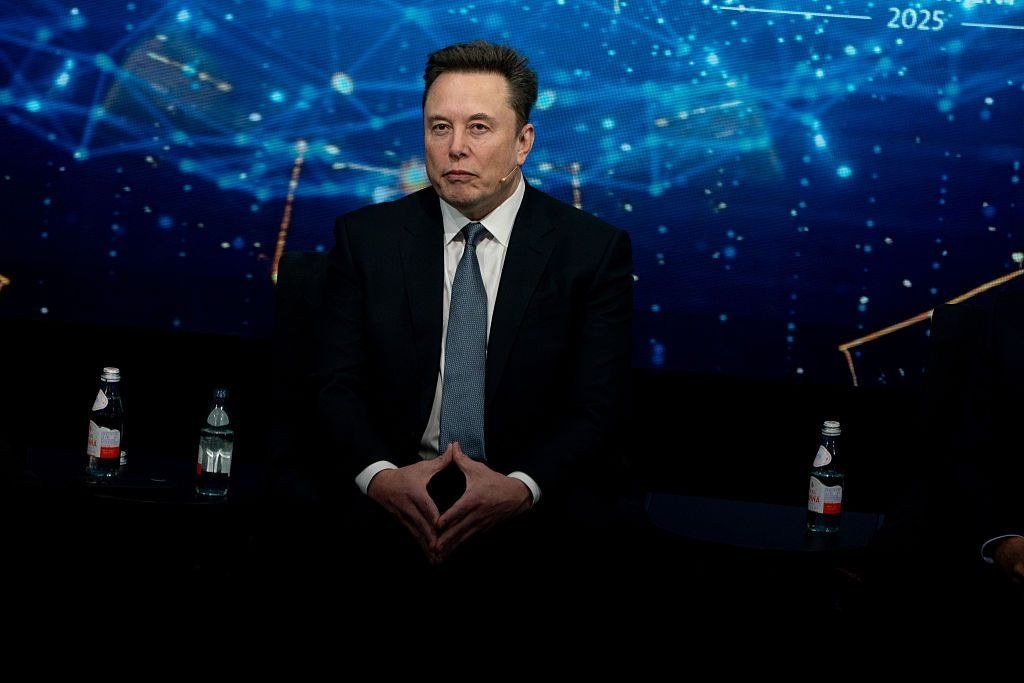
Tesla’s wider European challenges — including CEO Elon Musk’s political controversies in Germany and the UK — appear to be having a measurable impact on brand perception in the Netherlands as well. A June 2026 survey by Markteffect found that 34% of Dutch consumers considering an EV purchase cited “brand image concerns” as a reason to avoid Tesla, up from 11% in 2024.
The Dutch market remains strong overall: BEV share of new registrations reached 38% in Q2 2026, up from 31% a year earlier, as the 2030 phase-out of new ICE vehicle sales approaches.
The Netherlands, for internationals
One email a week: the week's news for internationals in the Netherlands, new practical guides and what changed in the cities. No spam, unsubscribe any time.