The Netherlands Accelerates Its Green Energy Transition
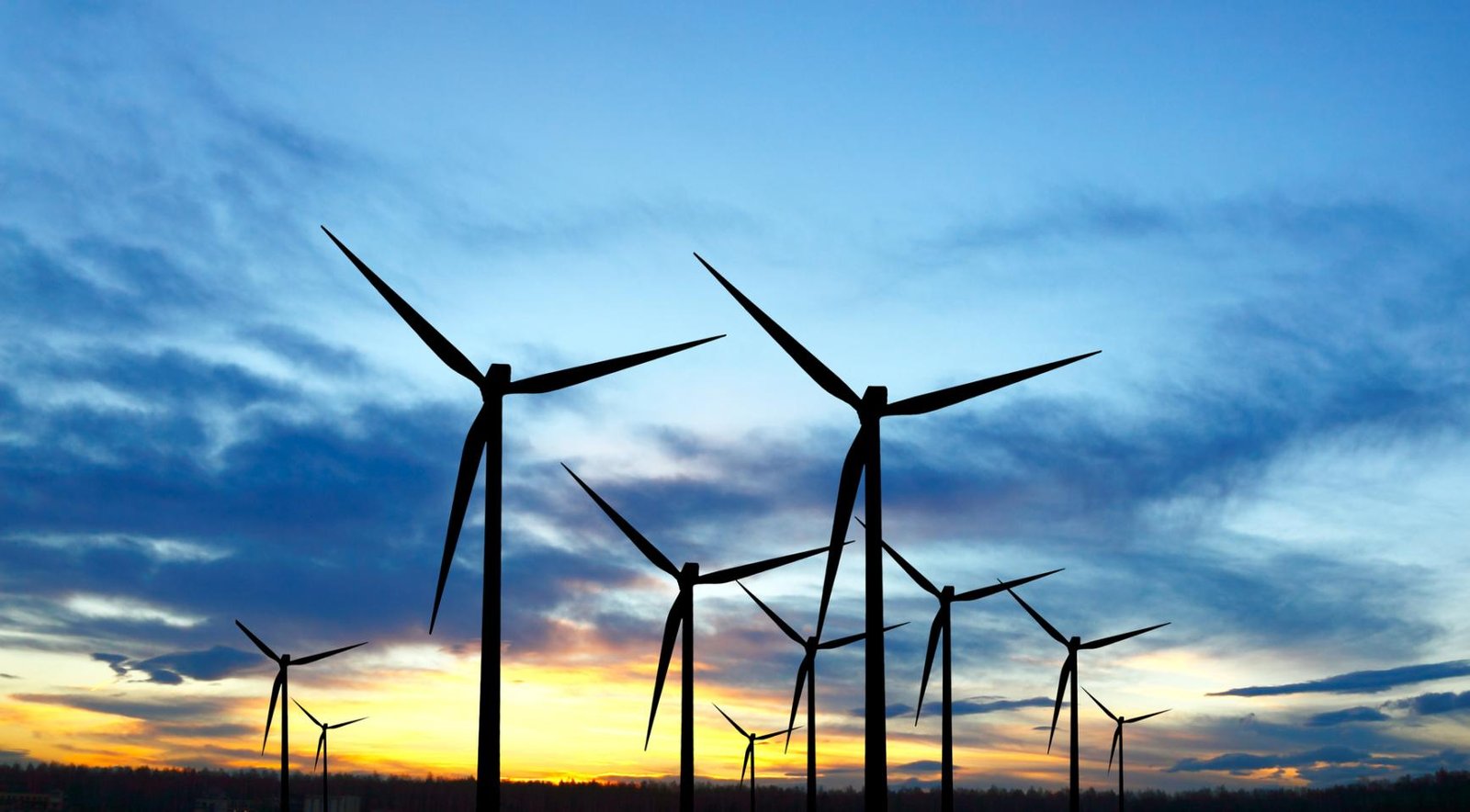
The Netherlands is on track to generate over 60% of its electricity from renewable sources by the end of 2026, marking a dramatic transformation for a country that was once among Europe’s most fossil-fuel-dependent economies. Offshore wind farms in the North Sea are the primary driver of this shift, with several major projects reaching full operational capacity this year.
The Borssele and Hollandse Kust wind farm zones now collectively produce enough electricity to power over 3 million Dutch households. New floating wind turbine technology deployed at the Hollandse Kust (west) site has opened up deeper waters for development, potentially doubling the country’s offshore wind capacity by 2030.
Solar Everywhere
Solar energy adoption has accelerated even faster than wind. The Netherlands now has one of the highest per-capita solar panel installation rates in the world, with panels appearing on residential rooftops, commercial buildings, agricultural land, and even floating on reservoirs and lakes. The country’s innovative “solar-on-water” program has turned former sand extraction pits into floating solar farms, generating clean energy without competing for scarce land.
Dutch solar output regularly exceeds 50% of total electricity demand during sunny midday hours in summer, creating new challenges for grid management that grid operator TenneT is addressing through expanded battery storage and improved interconnection with neighboring countries.
The Hydrogen Bridge
The Netherlands is betting heavily on green hydrogen to decarbonize its industrial sector—particularly the Port of Rotterdam, Europe’s largest port and a major hub for oil refining and chemical production. Several electrolyzer projects have come online in 2026, using offshore wind electricity to produce hydrogen that can replace natural gas in industrial processes.
The Dutch government has committed €9 billion to its national hydrogen strategy, including a nationwide pipeline network that will connect industrial clusters to offshore hydrogen production platforms by 2030. This infrastructure investment is attracting international attention, with Japanese and South Korean companies partnering with Dutch firms on hydrogen import-export trials.
Challenges Remain
Grid congestion remains the biggest bottleneck. Parts of the Netherlands simply cannot connect new renewable projects to the grid fast enough, creating a growing queue of approved but unconnected solar and wind installations. TenneT’s €13 billion grid expansion plan aims to resolve this by 2030, but in the meantime, innovative solutions like local energy trading platforms and neighborhood-scale battery storage are filling the gap.
The Netherlands, for internationals
One email a week: the week's news for internationals in the Netherlands, new practical guides and what changed in the cities. No spam, unsubscribe any time.