Netherlands Hits New Renewable Energy Milestone in 2026
The Netherlands has reached a historic milestone in its energy transition: for the first time, renewable sources generated more than 60 percent of the country’s electricity during the first half of 2026. The achievement, confirmed by Statistics Netherlands (CBS) and grid operator TenneT, puts the Dutch firmly on track to meet their 2030 climate targets.
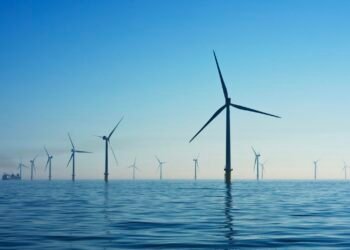
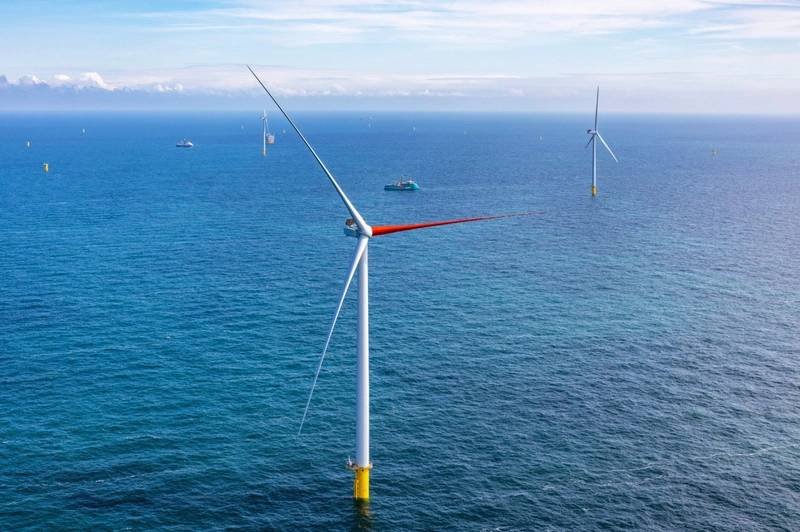
Wind energy remains the dominant force. The Netherlands now operates over 6,000 wind turbines on land and at sea, with offshore capacity exceeding 11 gigawatts following the completion of the Hollandse Kust (noord) and IJmuiden Ver wind farms. On particularly windy days, wind alone has covered more than 80 percent of national electricity demand — a scenario that would have seemed impossible just five years ago.
Solar Growth Defies Expectations
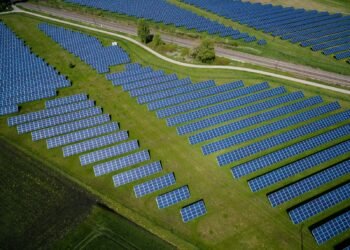
Solar energy has also surged beyond projections. The Netherlands now has more solar panels per capita than any other country in Europe. By mid-2026, installed solar capacity surpassed 28 gigawatts, driven by residential rooftop installations, large-scale solar parks, and innovative floating solar farms on inland lakes and reservoirs.
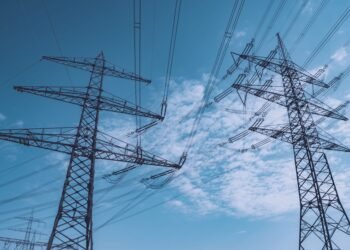
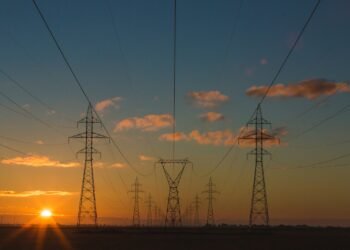
The rapid growth of solar has created a new challenge: managing excess generation during sunny midday hours. Grid operators have responded with large-scale battery storage projects, expanded interconnector capacity to neighbouring countries, and dynamic pricing schemes that incentivise consumption when renewable output is high. Several Dutch energy companies now offer near-zero or even negative electricity prices during peak solar hours.
What Comes Next
The next phase of the Dutch energy transition focuses on three areas: green hydrogen production, grid modernisation, and heating. The Port of Rotterdam is emerging as Europe’s hydrogen hub, with multiple electrolyser projects converting surplus wind and solar power into hydrogen for industrial use and export. Meanwhile, the government is accelerating the rollout of heat pumps and district heating networks to reduce reliance on natural gas for home heating — a particularly sensitive issue in the Netherlands since the Groningen gas field shutdown.
The 60 percent milestone is a genuine achievement, but policymakers acknowledge the hardest work lies ahead. Electrifying transport, decarbonising heavy industry, and upgrading an aging grid all require sustained investment. Still, for a country once synonymous with natural gas, the renewable revolution represents a remarkable transformation.
The Netherlands, for internationals
One email a week: the week's news for internationals in the Netherlands, new practical guides and what changed in the cities. No spam, unsubscribe any time.