Dutch Climate Adaptation Engineering Sets Global Standard in 2026
As climate change accelerates, the Netherlands — a country where nearly a third of the land lies below sea level — is exporting its centuries-old expertise in water management to a world suddenly paying attention. Dutch engineering firms are now involved in flood protection and climate adaptation projects across every inhabited continent.
The Maeslantkering storm surge barrier near Rotterdam, still one of the largest moving structures on Earth, has become a symbol of Dutch ingenuity. But today’s innovations go far beyond concrete and steel. Artificial intelligence, real-time sensor networks, and nature-based solutions are defining the next generation of Dutch water management.
Smart Dykes and Digital Twins
Dutch water authorities have deployed thousands of sensors along the country’s dykes, canals, and storm barriers, creating a real-time digital nervous system that monitors water pressure, soil saturation, and structural integrity. This network feeds into AI-powered digital twins — virtual replicas of the entire water management system — that can simulate flood scenarios and optimise responses before disaster strikes.
“We can now predict which sections of dyke need reinforcement six months before any visible signs of weakness appear,” explained a senior engineer at Rijkswaterstaat, the Dutch water management authority. “The AI models pick up patterns that human inspectors simply cannot detect.”
Nature-Based Solutions Gain Ground
While the Netherlands is famous for its hard engineering — dams, barriers, and pumping stations — a newer approach is gaining prominence. The “Room for the River” programme, which gives rivers space to flood safely rather than constraining them behind ever-higher walls, has been replicated in countries from Vietnam to the United States.
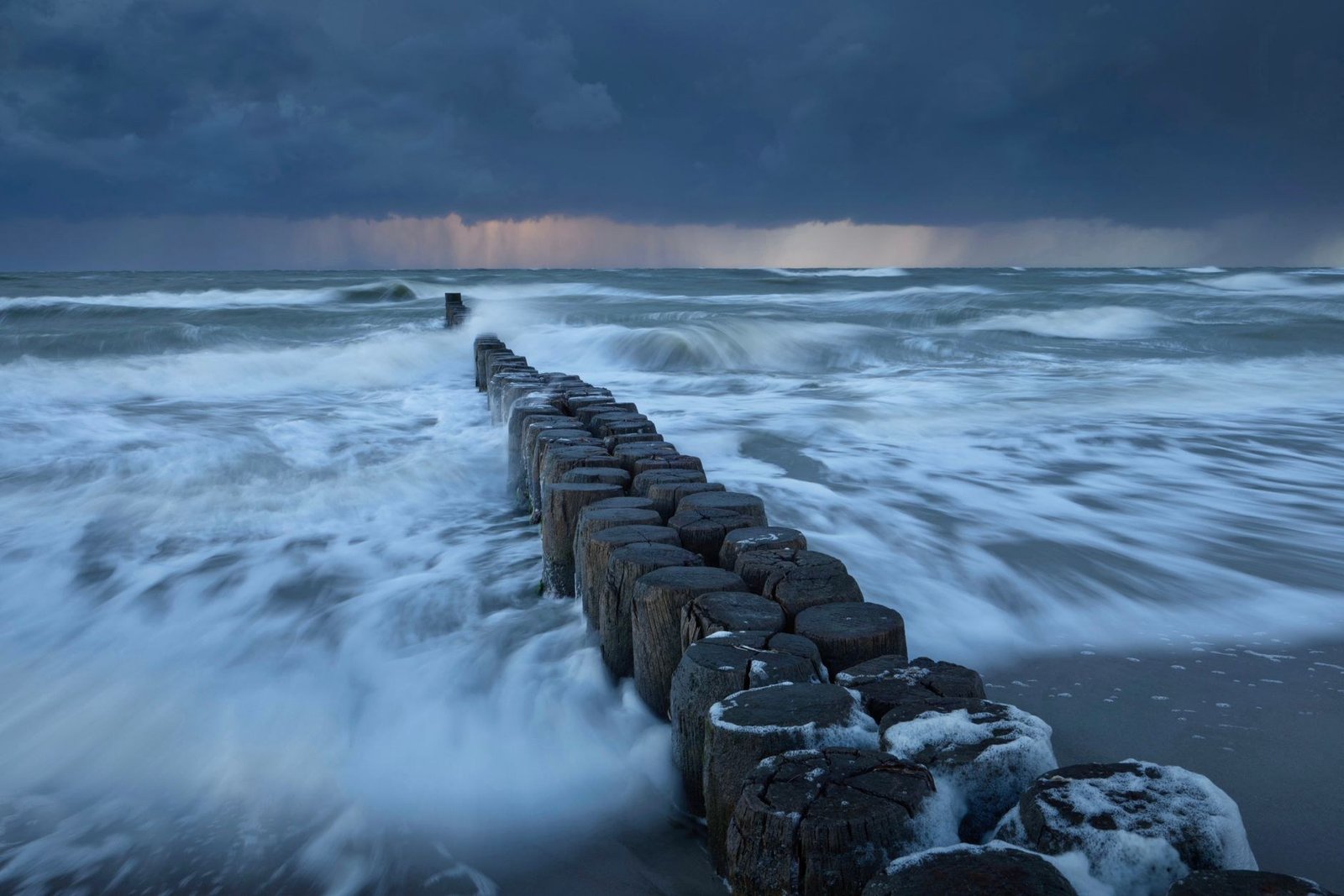
The Sand Motor project on the Dutch coast takes a similar approach, using natural wave and current patterns to distribute sand along the coastline over years rather than dumping it directly — a solution that is both cheaper and more ecologically sustainable than traditional beach nourishment.
Exporting Expertise
Dutch water engineering firms have secured major contracts in Southeast Asia, where rising sea levels threaten megacities like Jakarta, Bangkok, and Ho Chi Minh City. In Africa, Dutch expertise is helping communities build resilient water infrastructure that can withstand both drought and flood extremes — a dual threat that climate change is making increasingly common.
The Dutch government has designated water technology as one of its key export sectors, with dedicated trade missions and financing support for international projects. The sector now generates over €9 billion in annual exports, making water a significant component of the Dutch economy alongside agriculture and high-tech manufacturing.
As the world confronts the reality of a changing climate, the Netherlands’ hard-won expertise — born of necessity from living below sea level for centuries — has become one of its most valuable global contributions.
The Hague, for internationals
One email a week: what changed for internationals in The Hague, the week's news from the Netherlands, and one guide worth reading. No spam, unsubscribe any time.