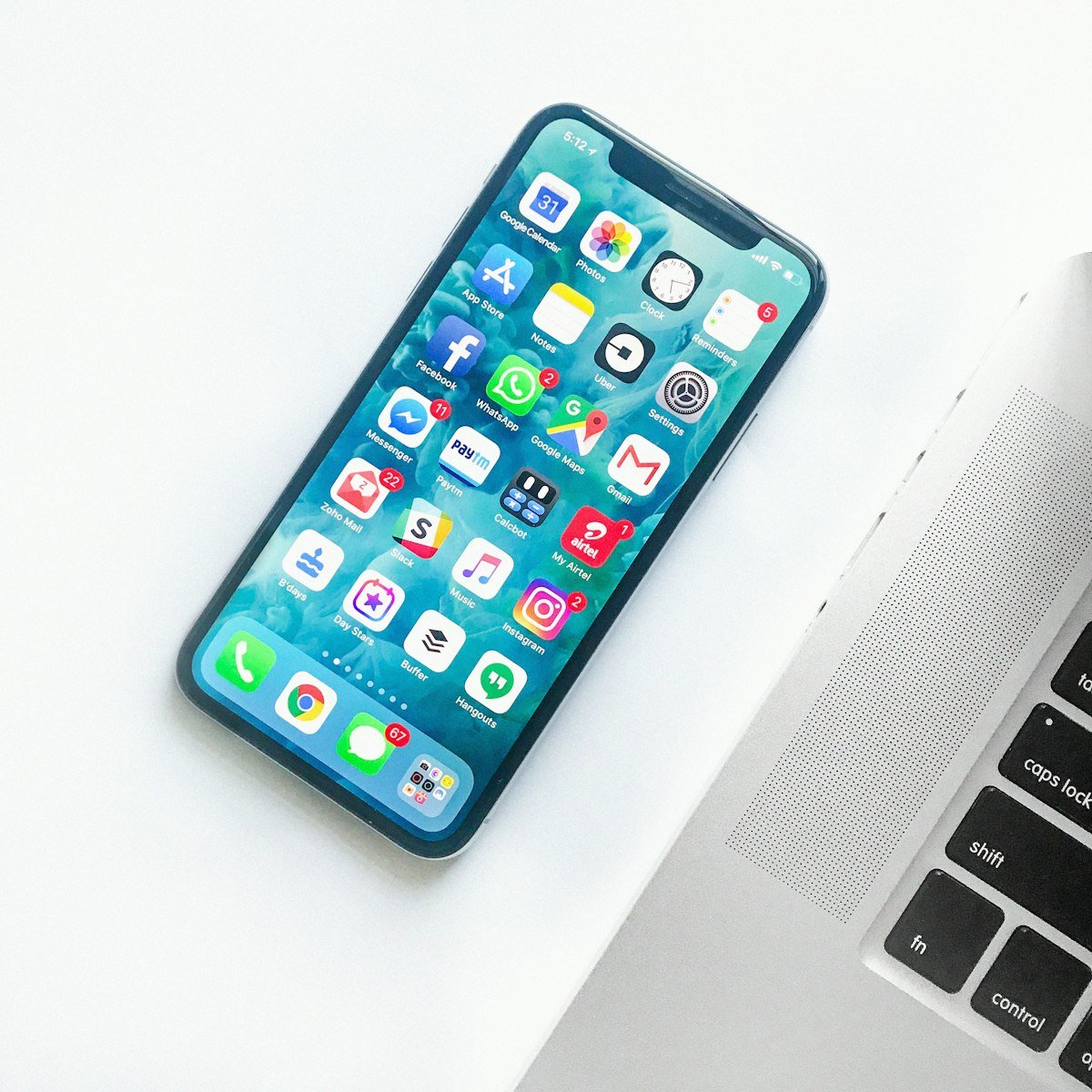
For most of Android’s history, getting apps in the United States has meant one storefront: Google Play. On July 22, that arrangement ends. Rival app marketplaces will become eligible for distribution directly through Google Play itself, after Google and Epic Games withdrew their remaining challenges to the court order forcing the change.
The move closes out one of the most consequential antitrust fights in consumer technology. A jury found in late 2023 that Google maintained an illegal monopoly in Android app distribution and in-app billing, siding with Epic, the Fortnite maker that spent years pushing the case. Appeals kept the remedies on hold. Now both companies have stood down, and the practical changes arrive within a week.
What actually changes
The headline shift is distribution. Competing app stores will be able to reach American users through Google Play, which means installing an alternative marketplace no longer requires sideloading through a browser, tapping past security warnings, and granting special permissions. For most people, that friction was the difference between alternative stores existing in theory and existing in practice.
Developers’ applications may be made available through participating third-party stores unless the developers opt out. That default matters. It means new marketplaces can launch with real catalogs instead of begging publishers one by one for listings, and it puts the burden on developers who want out rather than on stores trying to get in.
Google is not opening the gates unconditionally. The company plans to charge marketplace operators an annual security review fee and will impose rules intended to keep malware, fraud, and policy violations out of the stores it distributes. How strict those requirements turn out to be will shape whether this becomes a real market or a formality.
Who shows up to compete
Epic is the obvious first mover, having fought the case precisely so it could distribute its own store and keep more of the revenue from in-app purchases. Microsoft has signaled ambitions in mobile game distribution for years. Amazon already operates an Android appstore that has struggled for reach on phones it does not manufacture. Independent developers, particularly in gaming, have the strongest incentive of all: Google’s commission on Play transactions runs as high as 30 percent, and stores competing for their business will undercut it.
The economics are the real battleground. Google collects commissions on transactions that flow through Play, and every purchase that moves to a rival marketplace with lower fees is revenue Google loses. Multiply that across games, subscriptions, and in-app content, and the stakes stop looking abstract.
The catches worth watching
Placement will decide a lot. A rival store buried three screens deep in search results is not much of a rival. The court order requires eligibility, but prominence is a murkier question, and Google retains enormous influence over what users actually see when they open Play.
Trust is the other variable. Google has spent more than a decade telling Android users that Play is the safe place to get apps, and that message stuck. Alternative marketplaces will need to convince consumers that installing them is not a risk, all while Google’s own security review process sits between them and distribution. Skeptics will note the tension here: the company being forced to host its competitors also gets to inspect them and bill them for the privilege.
There is precedent for tempered expectations. The European Union’s Digital Markets Act forced Apple to allow alternative app marketplaces on iPhones, and adoption there has been modest so far. Habits are sticky, and defaults are powerful. But Android’s arrangement goes further in one important way: the rival stores will live inside the incumbent’s own storefront, in front of the users who never go looking for alternatives.
Still, distributing rival marketplaces through Play itself is a bigger concession than anything Google has offered before, and the biggest opening developers have had since Android launched. The next few months will show whether major publishers list their apps in new stores or quietly opt out, and whether any marketplace gains enough traction to force real fee competition. Watch where Fortnite lands first.
For more coverage of apps and the platforms behind them, visit Mylistingo.
The Netherlands, for internationals
One email a week: the week's news for internationals in the Netherlands, new practical guides and what changed in the cities. No spam, unsubscribe any time.