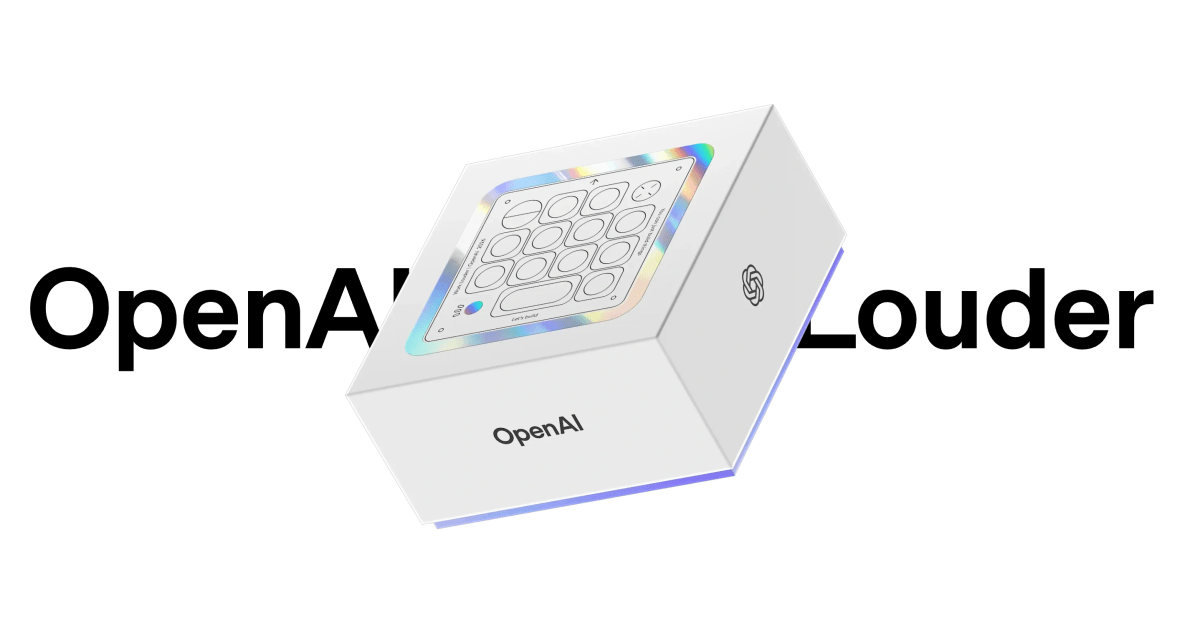
OpenAI has entered the physical hardware space with the launch of a $230 illuminated keyboard designed for its Codex AI coding assistant. The device, called the Codex Micro, is a collaboration with the specialty keyboard maker Work Louder. It is pitched as a command center for users who manage multiple AI coding agents, the semiautonomous bots that can write and execute code with minimal human input.
The keyboard features light-up Agent Keys that display the status of each coding agent, customizable Command Keys for common Codex shortcuts, and a joystick for launching workflows. A dial on the device lets users adjust the reasoning level of an agent, controlling how much time and computing power the bot dedicates to a task. Instead of managing agents through a phone or desktop app, users can control everything from the Micro itself.
A limited run novelty with bigger ambitions
<
p>OpenAI confirmed to TechCrunch that the Codex Micro is a limited run collaboration, suggesting the product is more of a novelty item than a mass market offering. It serves as a flashy introduction to the company’s broader hardware ambitions. The more significant hardware news came separately this week via Bloomberg, which reported on an unreleased OpenAI device described as a portable, screenless smart speaker that integrates with ChatGPT and includes mechanical elements that can move on their own.
That device, still in development and subject to change, is being designed by former Apple engineers. Bloomberg’s report paints an intriguing picture but leaves many questions unanswered about how a screenless, moving object will function as a consumer product. OpenAI has not provided further details.
Apple lawsuit adds legal pressure
The hiring of former Apple engineers has not gone unnoticed by Apple itself. Last week, Apple filed a lawsuit against OpenAI, accusing the company’s senior leadership of orchestrating a deliberate strategy to extract confidential information. Apple alleges that OpenAI used that stolen trade secrets to develop its own hardware device. OpenAI has denied any wrongdoing and is contesting the claims.
The legal battle adds a layer of tension to OpenAI’s hardware push. The company is simultaneously trying to establish itself as a hardware maker while fending off accusations from one of the most powerful tech companies in the world. Apple’s lawsuit specifically targets the alleged theft of trade secrets related to hardware design, which could complicate OpenAI’s future product development if the court finds merit in the claims.
The Codex Micro is available now through OpenAI and Work Louder, though it is likely to sell out quickly given the limited run. For users who already rely heavily on Codex agents, the keyboard may offer a tangible speed boost. For everyone else, it is a pricey piece of desk flair that signals OpenAI’s intent to move beyond software.
As the company navigates litigation and prepares to release a more ambitious hardware product, the keyboard serves as both a functional tool and a symbolic step. The intersection of AI, hardware, and legal disputes will only grow more complex. For more on how AI tools are reshaping creative and professional workflows, check out our AI in education coverage.
The Netherlands, for internationals
One email a week: the week's news for internationals in the Netherlands, new practical guides and what changed in the cities. No spam, unsubscribe any time.