Twenty-six and a half billion dollars. That is what SK Hynix raised on Friday when its American depositary receipts began trading on the Nasdaq, in the largest US share sale ever completed by a foreign company. It is also the clearest signal yet that investors expect the AI memory boom to run for years.
The South Korean chipmaker sold 177.9 million ADRs at $149 apiece, with every ten receipts representing a single underlying common share. The stock opened at $170 under the provisional ticker SKHYV and finished its first session at $168.01, below where it opened but nearly 13 percent above the offer price. The permanent ticker, SKHY, takes effect when trading resumes on Monday.
How memory became the hottest seat in semiconductors
For most of its history, the memory business sat at the unglamorous end of the chip industry. DRAM was a commodity. Prices swung through brutal boom and bust cycles, margins were thin, and the applause went to the companies designing processors. Memory makers survived; they rarely starred.
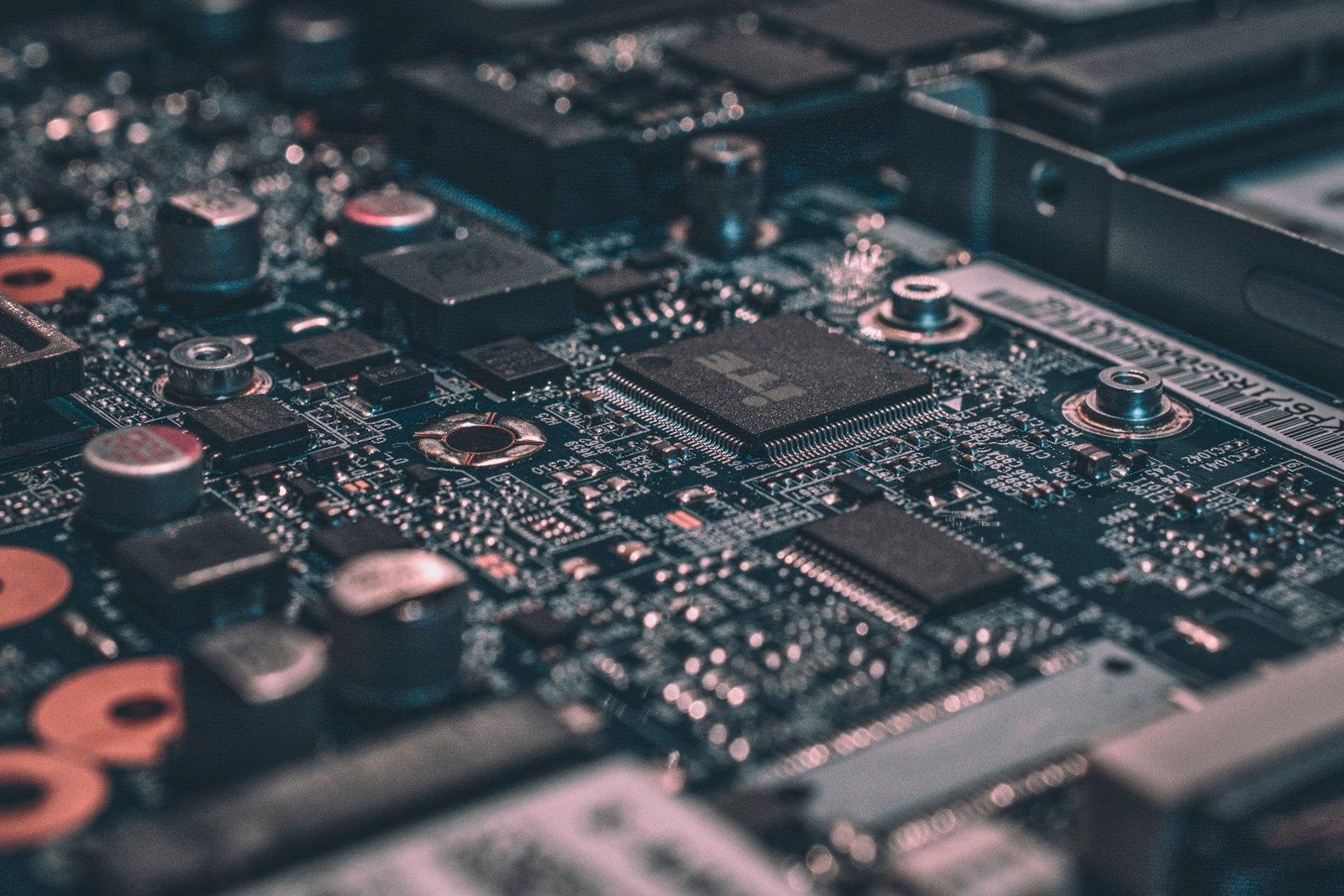
AI rewrote that script. Training and running large models demands enormous volumes of high-bandwidth memory, or HBM, which stacks DRAM dies vertically and places them beside the processor so data can move at the speeds modern accelerators require. Only three companies in the world make HBM at scale, and SK Hynix leads them with a 56.4 percent share of the market.
The demand has been intense enough to spill into the rest of the memory market. High-performance systems are soaking up huge quantities of general-purpose DRAM as the raw material for HBM production, creating a global memory shortage that has lifted prices across the board. The fastest accelerators are only as fast as the memory feeding them, which has turned HBM from a niche product into the choke point of the entire AI buildout. For the first time in decades, memory suppliers hold real pricing power.
Where the money goes
SK Hynix plans to spend the proceeds on expanding its manufacturing facilities in South Korea and on production equipment, including extreme ultraviolet lithography scanners, the ultra-precise machines used to etch the finest features onto silicon.
That spending plan matters because supply, not demand, is the industry’s current constraint. Every major memory maker is racing to add HBM capacity, and the winners of the next phase will be decided in fabs that take years to build and equip. Fresh capital, raised in dollars from the deepest market in the world, is a competitive weapon.
The geography is worth noticing too. The capital now comes from New York, but the manufacturing base stays firmly in South Korea, along with all of the supply chain concentration and geopolitical exposure that implies.
There is a message for Seoul in the numbers too. SK Hynix chose New York over a domestic secondary offering, and a record-setting result will not go unnoticed by other Korean and Asian companies weighing where their next round of capital should come from. Deep liquidity has a gravity of its own, and this listing just demonstrated exactly how strong the pull is.
A record with context
CNBC reported in late June that the company was aiming to raise as much as $29 billion from the listing. The final figure came in lower, but it still comfortably beat every previous US share sale by a foreign company, and the first-day pop suggests the offering could have been priced higher still.
An American listing gives SK Hynix access to a shareholder base that has spent two years bidding up anything attached to AI infrastructure. It also moves the company’s valuation conversation into the same room as Nvidia, Broadcom and Micron, rather than leaving it on the Korean exchange, where local companies have historically traded at a discount.
The debut lands at a moment when the AI trade has shifted from software stories toward the physical layer: chips, memory, power and data centers. A memory maker commanding this kind of reception on Wall Street would have been hard to imagine five years ago. In 2026 it looks almost inevitable.
The next test arrives quickly. Samsung and Micron are pushing to expand HBM output of their own, and the memory industry has a long history of turning shortages into gluts. Whether SK Hynix can convert its lead and its new war chest into lasting dominance is now one of the defining questions of the AI supply chain. For more coverage of the AI chip industry, visit Mylistingo.
The Netherlands, for internationals
One email a week: the week's news for internationals in the Netherlands, new practical guides and what changed in the cities. No spam, unsubscribe any time.