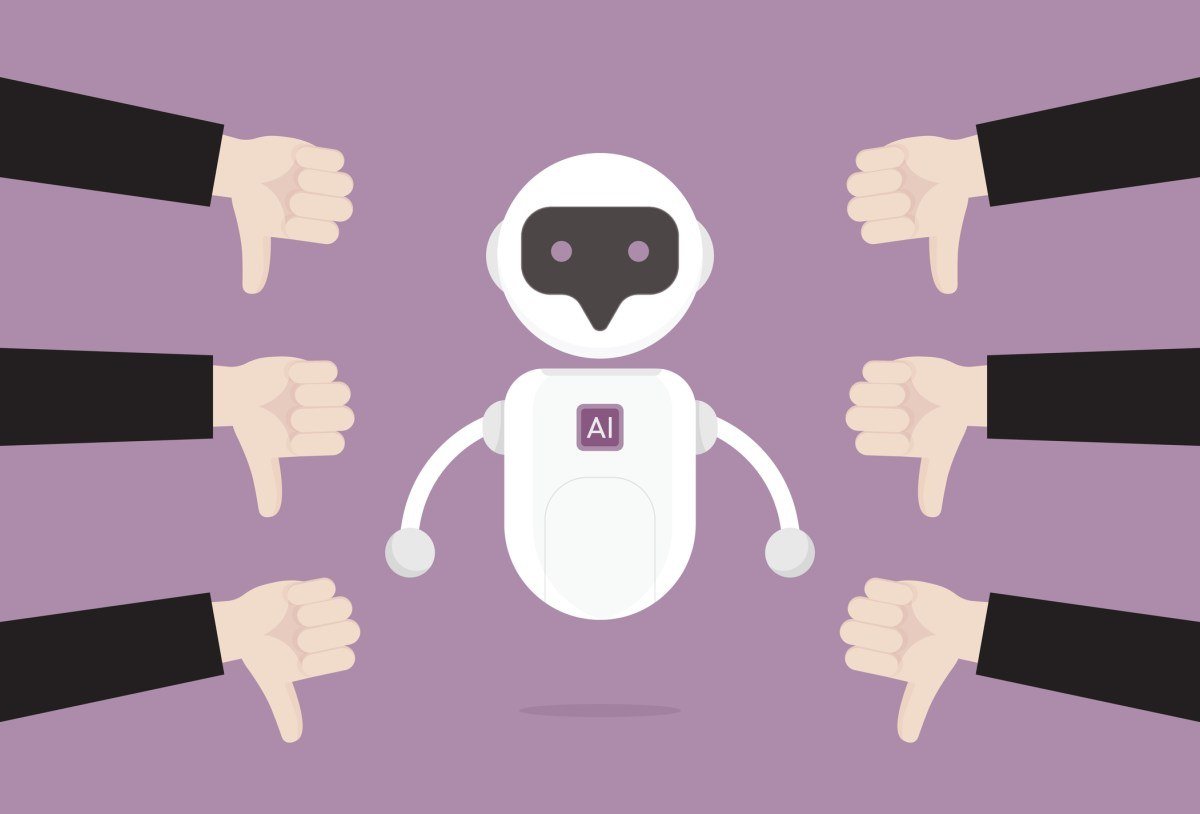
Walk into a public library expecting a quiet afternoon and you might stumble onto a waitlist. Not for a book club or a tax-help session, but for a class on how to get artificial intelligence out of your life. Librarians across the country have started running workshops with a blunt name, “Avoiding AI,” and according to TechCrunch, the demand has been unlike anything the organizers expected.
A backlash finds its meeting place
The premise is almost funny in its plainness. People are tired. They are tired of chatbots answering questions they never asked, of search results stuffed with machine-written summaries, of every app they open sprouting a new “assistant” that wants to help. And so they are showing up at libraries, of all places, to learn how to opt out.
That the library became the venue for this says something. Libraries have spent the past two decades as the quiet infrastructure of digital life, teaching seniors to send email, helping job seekers format résumés, lending laptops and hotspots to people who have neither. They are trusted in a way few institutions still are, and they carry no obvious stake in whether you use a given product. When a librarian tells you a tool is worth avoiding, there is no upsell waiting at the end of the sentence.
Big Tech, by contrast, has spent years earning exactly the kind of skepticism these classes channel. AI features arrived in phones, browsers, and office software whether users wanted them or not, often switched on by default and buried behind settings menus that seem designed to be missed. The workshops are, in part, a response to that. If a feature won’t take no for an answer, someone has to teach the workaround.
What people are actually asking for
The appeal here is not really technical. It is emotional, and a little bit political. Attendees are not machine-learning skeptics debating model architectures. They are ordinary people who feel that a decision was made about their tools without them, and they want some of the control back.
Some of that comes down to privacy, the sense that every typed sentence is now training data for a company they will never meet. Some of it is quality, the frustration of a search engine that used to hand you a link and now hands you a confident paragraph that may or may not be true. And some of it is simpler than either, a fatigue with being sold the same future over and over by companies that keep insisting resistance is pointless.
The name of the workshop matters too. “Avoiding AI” is not neutral. A library could have called it “Understanding AI” or “Getting Started with AI,” and plenty do. Choosing the opposite framing is a small act of positioning, a signal that there is a legitimate audience for stepping back rather than leaning in. That the classes fill up suggests the librarians read the room correctly.
The quiet counterweight to the hype cycle
For two years the story of AI has been told almost entirely by the people building it. Product launches, funding rounds, benchmark scores, breathless predictions about work and creativity and everything in between. The narrative has been one of inevitability, and inevitability is a powerful sales tool because it makes disagreement look like denial.
A room full of people learning to turn features off is a different story, and a useful one. It does not claim the technology is worthless. It claims that adoption should be a choice, and that choosing not to is a valid position rather than a failure to keep up. Libraries, which exist to serve the public rather than to grow a user base, are a fitting place for that argument to be made out loud.
None of this stops the rollout. The companies pushing AI into their products are enormous, and a workshop of a few dozen people will not change a quarterly roadmap. But viral demand is a data point, and it points at something the marketing does not capture. A meaningful slice of the public is not excited. They are exhausted, and they are willing to spend a weekday evening in a library learning how to say no.
Watch whether this stays a grassroots curiosity or hardens into something the industry has to answer for. If the classes keep filling, if the waitlists keep growing, the pressure will eventually reach the product teams who assumed everyone wanted this. The most interesting question in AI right now may not be what the technology can do. It may be how many people, quietly, would rather it left them alone.
For more coverage of the AI backlash, visit Mylistingo.
Source: Original Article
The Netherlands, for internationals
One email a week: the week's news for internationals in the Netherlands, new practical guides and what changed in the cities. No spam, unsubscribe any time.