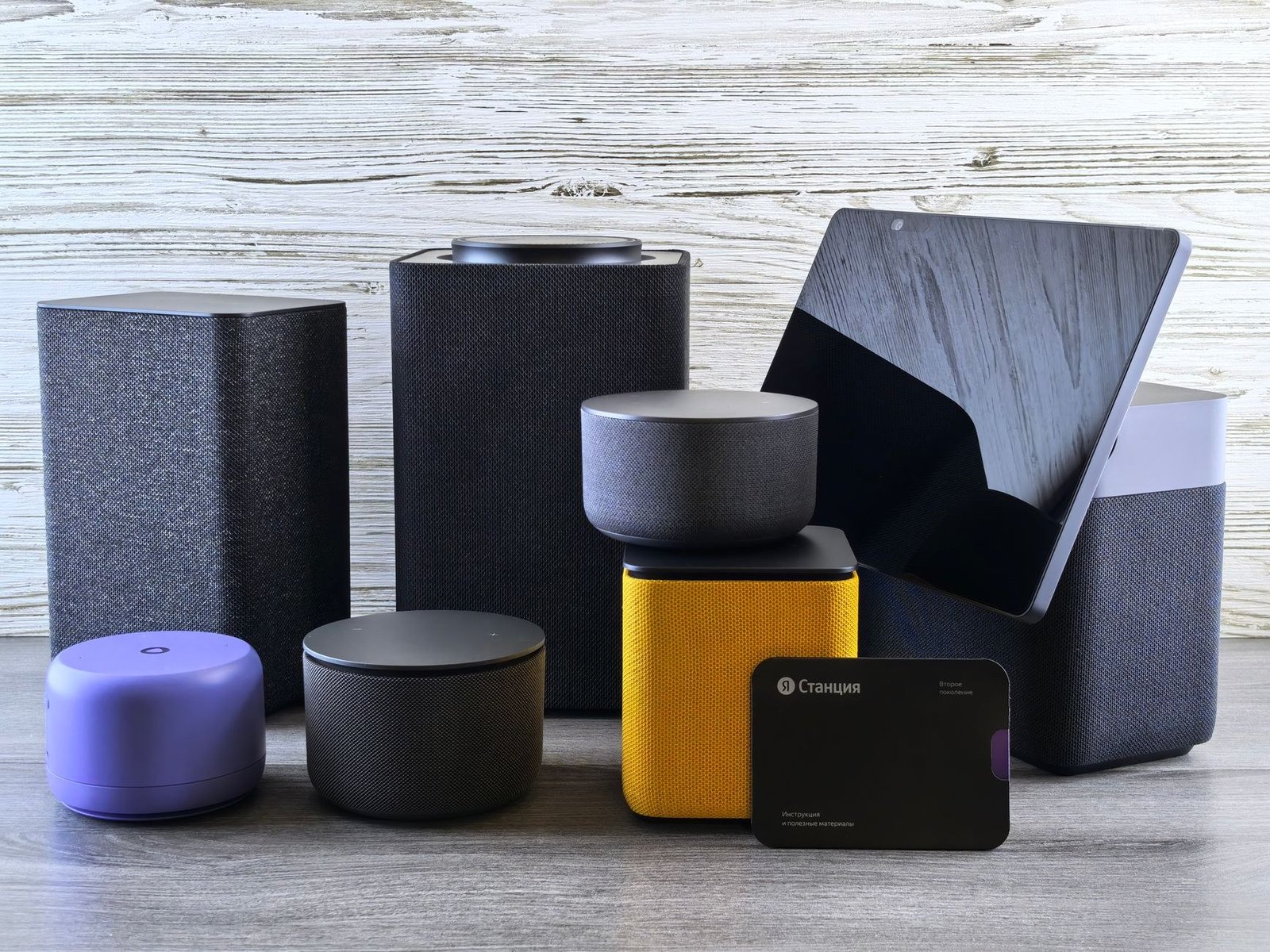
A $400 speaker with a lot to prove
OpenAI wants to sell you a speaker, and it wants roughly $400 for it. According to a TechCrunch report published August 6, the company’s long-rumored hardware device is shaping up to be a smart speaker priced somewhere between $300 and $400. That single detail reframes months of speculation. What began as whispers about a mysterious AI gadget now has a shape, a category, and a price tag that tells you exactly who OpenAI thinks will buy it.
Price is the tell here. A device in that range is not an impulse buy, and it is not a giveaway meant to hook you on a subscription. It sits well above the cheap voice assistants that have anchored the smart speaker aisle for a decade, and it lands closer to premium territory. OpenAI is betting that people will pay a real premium for something that talks back with the fluency of its models rather than the rigid, command-and-response feel of the assistants they already own and mostly ignore.
Why a speaker, and why now
The smart speaker was supposed to be the future once before. Companies flooded homes with voice assistants, sold them at a loss, and then watched most owners use them to set timers and check the weather. The promise never matched the product. Ask a question with any nuance and the thing folded. That gap between what these devices claimed and what they delivered is exactly the opening OpenAI seems to be aiming at.
Conversational AI has moved fast enough to make the old assistants look prehistoric. A model that can hold context, reason through a messy request, and respond in natural language changes what a speaker in your kitchen could actually do. If OpenAI can put that quality of interaction into a physical object, the pitch writes itself. The company is not trying to win the timer war. It is trying to make the category feel worth caring about again.
There is a strategic logic to hardware, too. Every conversation you have with ChatGPT today happens on someone else’s device, through someone else’s operating system, subject to someone else’s rules. Owning the hardware means owning the front door. A speaker built around OpenAI’s models turns the company from an app you open into a fixture you live with, and that is a very different kind of relationship with a customer.
The price is the strategy
Settle on that $300 to $400 figure and the ambition comes into focus. This is not meant to be a loss leader stuffed into millions of homes. It reads like a deliberate, premium play, a device sold to people who already trust the software and want it closer to hand. The higher the price, the higher the expectation. Nobody spends $400 to be told the weather.
That is the risk baked into the number. Premium hardware invites premium scrutiny. Buyers at this tier will judge the thing against the best conversational AI they have already used on their phones, and they will notice every hesitation, every misheard request, every moment the magic slips. A speaker that costs this much cannot merely be good. It has to justify choosing it over the free app running on the phone already sitting on the counter.
OpenAI also walks into a room that is already crowded and already skeptical. Households that bought into the last wave of smart speakers learned to distrust the marketing. Convincing them to spend real money on another voice in the kitchen means clearing a bar the incumbents never managed to clear themselves. The company’s advantage is its software. Its challenge is that everyone now knows how hollow a smart speaker can feel.
What we still don’t know
Plenty remains unconfirmed. The reporting describes the device as mysterious for a reason, and a price band is not a product. We do not yet have a firm sense of what it looks like, how it listens, what it can do that a phone cannot, or when it ships. A range between $300 and $400 is itself a signal that the final details are still moving.
Still, the direction is clear enough to take seriously. OpenAI is stepping off the screen and into the room, and it is doing so at a price that dares customers to expect a lot. Whether the hardware can carry the weight of the software behind it is the question that will decide if this becomes a fixture in homes or another well-funded gadget that never quite earns its spot on the counter. Watch for what OpenAI shows when it finally stops letting the leaks do the talking.
For more coverage of OpenAI hardware, visit Mylistingo.
Source: Original Article