This guide is for internationals who have just moved into a Rotterdam flat and want to sort their waste correctly from the first week. After reading it, you will know which waste goes in which container, when to put your bin out, how to get bulky items collected for free and where the recycling centres are.
- What goes where: sorting your waste
- Bins, bags and shared containers
- Getting bulky waste collected
- Recycling centres (Milieuparken)
- Avoiding problems and fines
- FAQ
What goes where: sorting your waste
Rotterdam asks every household to separate its waste. The municipality’s waste guide sets out the main streams, and they are simpler than many newcomers expect.
Paper and cardboard
Newspapers, folders, cardboard boxes (including egg cartons), envelopes, magazines, wrapping paper and receipts go in the paper container. Flatten boxes and only put in paper that is dry and clean. Milk and drinking cartons, dirty pizza boxes, sandwich bags and baking paper belong in the residual waste container.
Glass
Bottles and jars, transparent toiletry jars, perfume bottles and glass roll-on deodorant bottles go in the bottle bank. The glass can be clean or dirty, and lids can stay on. Drinking glasses, ovenware, porcelain, ceramic tableware and medicine bottles do not belong there: take them to a secondhand shop or put them in residual waste. Windows and mirrors go to a recycling centre or secondhand shop.
Textiles
Clean, dry clothing (even if damaged or worn out), bags, curtains, sheets, towels, soft toys and shoes go in the textile container. Put them in a plastic bag and tie shoes together. Wet or dirty textiles go in residual waste.
Organic waste
Vegetable and fruit waste, bread, leftover food, coffee grounds, teabags, flowers, plants and garden waste count as organic waste. Do not use plastic bags for it. The guide asks for biodegradable bags with an official compost logo. Coffee capsules and cat litter are not organic waste.
Residual waste, including plastic
In Rotterdam, plastic packaging, drinking cartons and tins go in the residual waste container, together with nappies, coffee capsules, cat litter and pet faeces. A machine separates the plastic, tins and cartons afterwards. Compress your packaging and use rubbish bags of no more than 60 litres so they fit in the container.
Small chemical waste and cooking oil
Light bulbs, paint, batteries and medicines must never go in residual waste. Take them to a recycling centre or back to the shop where you bought them. Collection points for bulbs and batteries are listed on wecycle.nl (Dutch only). Pour used frying and cooking oil back into its bottle or another plastic container and take it to an oil collection point, recycling centre or petting zoo. Never pour it down the sink or toilet.
Bins, bags and shared containers
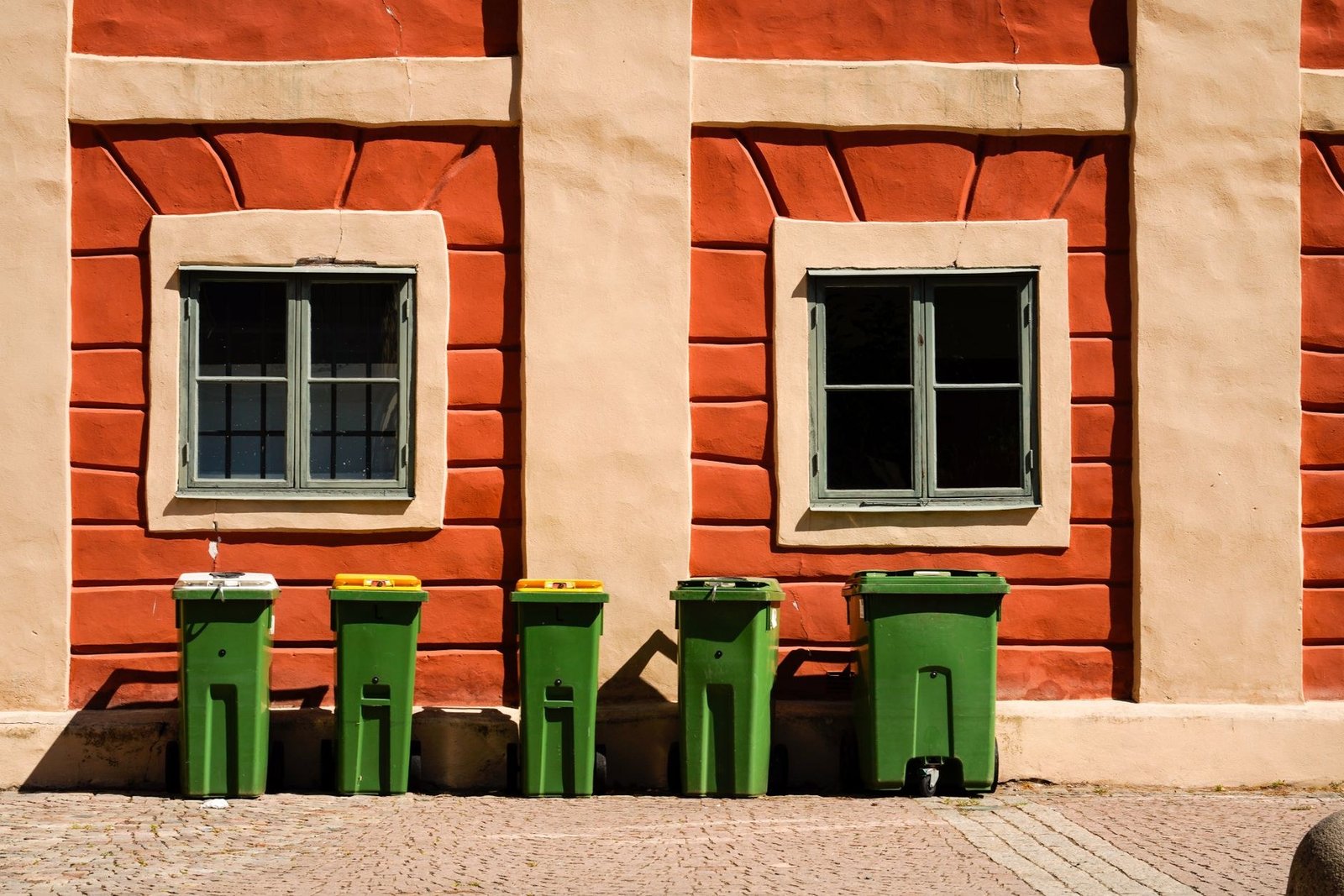
How you get rid of household waste depends on your building. According to the municipality’s domestic refuse page, there are three situations:
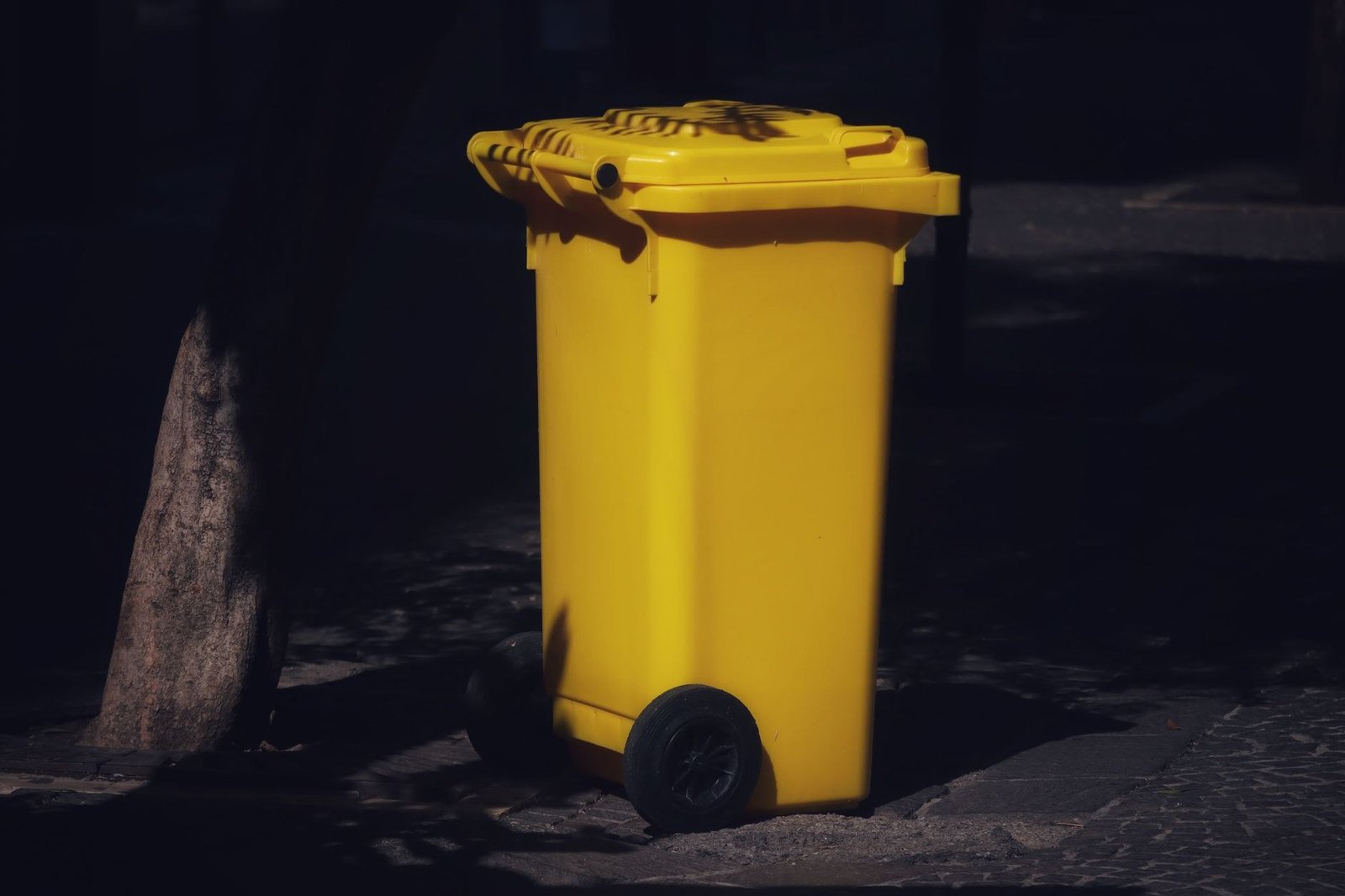
- Wheelie bin or bags: in most parts of the city, refuse is collected once or twice a week. Put your bin or bags on the pavement between 6.00 and 8.00 on the collection day. Putting them out the day before is not permitted.
- Multi-storey buildings: collective containers are provided for residents.
- Street containers: in some parts of Rotterdam, you drop your household waste in containers on the street.
To find your collection day, check mijnafvalwijzer.nl or the free AfvalWijzer app. You can set the app to send you a reminder before collection day. If you don’t know where your nearest containers are, the waste guide links to a map that shows them.
If a container is full, has waste next to it or has a bag stuck inside, report it through the MeldR app or call 14 010 (+31 10 267 16 25 from abroad).
Getting bulky waste collected
Bulky waste means items too large for your bin or container. Common examples when moving in are broken furniture, drying racks, fridges, mirrors and large garden waste. You have two free options.
- Bring it yourself: the waste guide says bulky waste can be taken to a recycling centre free of charge.
- Have it collected: if you can’t bring it yourself, the municipality collects it for free. Book an appointment at rotterdam.nl/grofvuil or call 14 010. The domestic refuse page also gives 010 267 16 25 (from the Netherlands) or +31 10 267 16 25 (from abroad) for booking a collection.
Large electrical appliances such as fridges and washing machines follow the same rules: take them to a recycling centre or book a free collection. Small electrical appliances can go free of charge to a recycling centre, a petting zoo or a shop that sells new electronics.
Construction and demolition waste, asbestos, roof tiles, tiles and earth are not collected. You can take them to a recycling centre free of charge.
If your old items still work, you can take them to a recycling centre or secondhand shop, or book a free pickup of large items through hetgoed.nl. Heavy items must be brought to the front door at ground level.
Recycling centres (Milieuparken)
Rotterdam’s recycling centres accept bulky waste and usable items free of charge. The waste guide lists these locations and opening hours:
- Charlois (Aploniastraat 12) and Prins Alexander (Nikkelstraat 131): Monday to Saturday, 9.00 to 17.00.
- Recycling centre + De HER (Bovendijk 191): Tuesday to Saturday, 9.00 to 17.00, and Sunday, 9.00 to 13.00.
- IJsselmonde (Hekendorpstraat 55): Tuesday to Saturday, 9.00 to 17.00.
- Hoek van Holland (Prins Hendrikweg 56) and Rozenburg (Frans Halsstraat 2): Tuesday, Thursday and Saturday, 9.00 to 17.00.
All recycling centres are closed on public holidays. Garden waste and cut branches can also be dropped off free of charge. For directions and contact details, the municipality’s Milieuparken page is in Dutch only, so you may want to use the translate button on the site.
Avoiding problems and fines
The official pages set out clear rules but do not list fine amounts for dumping or for putting waste out at the wrong time. Enforcement is up to the municipality, which decides case by case. The safest approach is to follow the stated rules:
- Put bins and bags out only between 6.00 and 8.00 on your collection day, never the evening before.
- Never leave bulky items on the street or next to a container. Book a collection or take them to a recycling centre.
- Use bags of 60 litres or smaller so they fit in the container and don’t get left beside it.
- Keep chemical waste, batteries and cooking oil out of residual waste.
- If you find a full container, report it instead of leaving your bag next to it.
If you have pests such as rats or cockroaches, the domestic refuse page advises calling the municipality’s Disinfection service early on 010 267 16 25 (+31 10 267 16 25 from abroad).
FAQ
Does plastic go in a separate bin in Rotterdam?
No. According to the municipal waste guide, plastic packaging, drinking cartons and tins go in the residual waste container. A special machine separates them afterwards for recycling. Compress the packaging and use bags of no more than 60 litres.
How do I find out my collection day?
Check mijnafvalwijzer.nl or the free AfvalWijzer app, which can send you a reminder before collection day. Put your bin or bags out between 6.00 and 8.00 on that day. The municipality does not allow you to put them out the day before.
Does it cost anything to get rid of an old sofa or fridge?
No. The waste guide says you can take bulky waste to a recycling centre free of charge or book a free collection at rotterdam.nl/grofvuil or by calling 14 010. Construction waste, asbestos, tiles and earth are not collected, but you can take them to a recycling centre free of charge.
What is the fine for leaving rubbish next to a container?
The municipality’s English waste pages do not state a fine amount, so it decides case by case. To stay on the safe side, report a full container through the MeldR app or on 14 010, and book a collection for bulky items instead of leaving them on the street.
Official sources: rotterdam.nl · rotterdam.nl
Last verified: 29 September 2026 against the official pages linked above. Rules and fees change; the official page always wins. General information, not legal or tax advice.
Sources
- rotterdam.nl: Domestic refuse, accessed 29 September 2026
- rotterdam.nl: Waste guide, accessed 29 September 2026
Rotterdam, for internationals
One email a week: what changed for internationals in Rotterdam, the week's news from the Netherlands, and one guide worth reading. No spam, unsubscribe any time.