The Dutch consumer and competition authority, the Autoriteit Consument & Markt (ACM), says prices set by algorithms are making consumers distrustful and unsure about what they are paying. According to NU.nl, the ACM’s research into airline tickets found that many people hold mistaken beliefs about how these prices work, and that a single flight can cost at least 40 percent more than its average price.
What happened
NU.nl reports that the ACM looked at how computer-driven pricing affects consumers, with a focus on flight tickets. Its findings show that a single seat has, on average, 30 to 35 different prices during the period it is on sale. Ticket prices first fall gradually and then rise sharply from about two months before departure. The price of one flight can end up at least 40 percent above the average price.
The research also looked at what consumers believe about these prices. When booking flights, almost half of people wrongly think that their earlier personal searches affect the price they see. A quarter believe that ticket prices can differ depending on the device they use. According to the ACM, that is not the case either.
NU.nl explains that airlines, and a growing number of shops, now use computer-driven pricing. Algorithms track supply and demand and adjust prices to match. Prices are also changed constantly in response to what competitors charge.
The article gives bol, the Dutch online retailer, as an example. Bol does not print prices in its toy catalogue for Sinterklaas, because it can raise a price when stock threatens to run out under heavy demand.
NU.nl notes that the system has real benefits for companies. They can operate more efficiently, planes fly fuller and stock is easier to manage. The downside, according to the ACM, is that consumers become suspicious and uncertain. The regulator would like companies to share more information about how they set prices. In a statement quoted by NU.nl, the ACM said (translated from Dutch) that clarity about what does and does not affect prices saves consumers unnecessary searching and increases their trust.
Why it matters for internationals in the Netherlands
The apps and websites you book through
Many internationals fly often, whether to visit family, travel for work or take short breaks in Europe. That puts them right in the market the ACM studied. The finding that one seat can carry 30 to 35 prices during its sale period means the fare you see on a booking site or airline app is one point on a moving line. The same seat may be cheaper or more expensive a few days later.
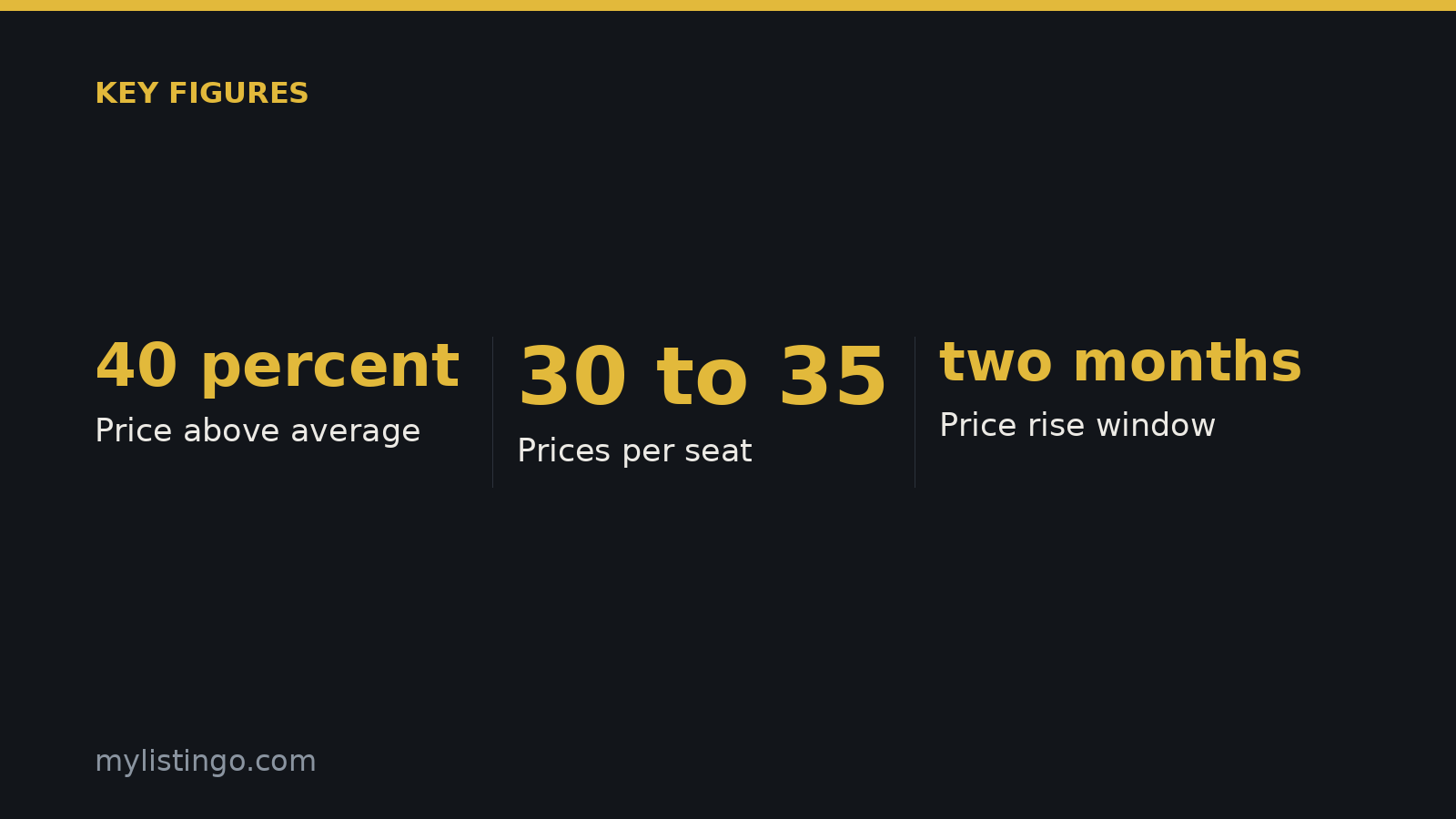
The timing pattern in the research is useful in practice. Because ticket prices tend to fall gradually and then climb sharply from roughly two months before departure, people planning trips home for holidays or family events have a clear reason to book before that window. Booking late carries a real risk of paying well above average, and the ACM’s figure of at least 40 percent shows how large that gap can be.
The same logic now reaches beyond airlines. NU.nl reports that more and more shops use algorithms to set prices. The bol example shows how this works in Dutch online retail: a product’s price can rise when demand is high and stock is running low. If you are new to the Netherlands and shopping for Sinterklaas presents for the first time, a printed catalogue will not tell you what you will pay at checkout.
Your searches and your devices
One of the more practical findings concerns personal data. Almost half of the people surveyed wrongly believe that their previous searches push up the price of a flight. A quarter think prices vary by device. The ACM says neither is true for flight tickets.
For internationals, that changes how to spend time when booking. Clearing your browser history, switching to incognito mode or comparing prices on a laptop and a phone are habits many people have picked up from advice online. Based on the ACM’s research, these steps do not change airline ticket prices. The factors that do matter are timing, demand and what competitors are charging. Knowing this saves the “unnecessary searching” the ACM mentions and lets you focus on when to book rather than how to hide your browsing.
The ACM’s findings cover flight tickets specifically. The article does not say whether the same holds for every shop or service that uses algorithmic pricing, so it is worth being careful about applying the conclusion more widely.
What changes for you as a consumer
The broader point is that a fixed price is becoming less common. Prices that change constantly can be efficient for businesses, but they make it harder for consumers to judge whether a deal is fair. This can be particularly hard for people who are still learning how Dutch retailers and services work. The ACM is not banning the practice. It is asking companies to be more open about what drives their prices, which would make it easier to compare offers with confidence.
What to watch next
The main question is whether airlines and retailers respond to the ACM’s call for more transparency. NU.nl’s report describes this as something the regulator would like to see, not a new legal requirement. Watch for companies that begin explaining on their websites what does and does not affect their prices, and for any further steps from the ACM if voluntary openness does not follow.
The other trend to follow is how far algorithmic pricing spreads in Dutch retail. NU.nl notes that more shops are adopting it, and the bol example shows it already shapes seasonal shopping. The run-up to Sinterklaas and the end-of-year holidays will be a good test. If prices on popular items move sharply as stock runs low, consumers will see the effects the ACM describes.
For now, the practical advice from the research is simple. Book flights well before the two-month mark when you can, and don’t spend effort clearing your search history or switching devices to find a lower fare.
Source: NU.nl Tech
Sources
- NU.nl Tech: Wisselende prijzen door algoritmes leiden tot wantrouwen onder consumenten, accessed 1 October 2026
The Netherlands, for internationals
One email a week: the week's news for internationals in the Netherlands, new practical guides and what changed in the cities. No spam, unsubscribe any time.