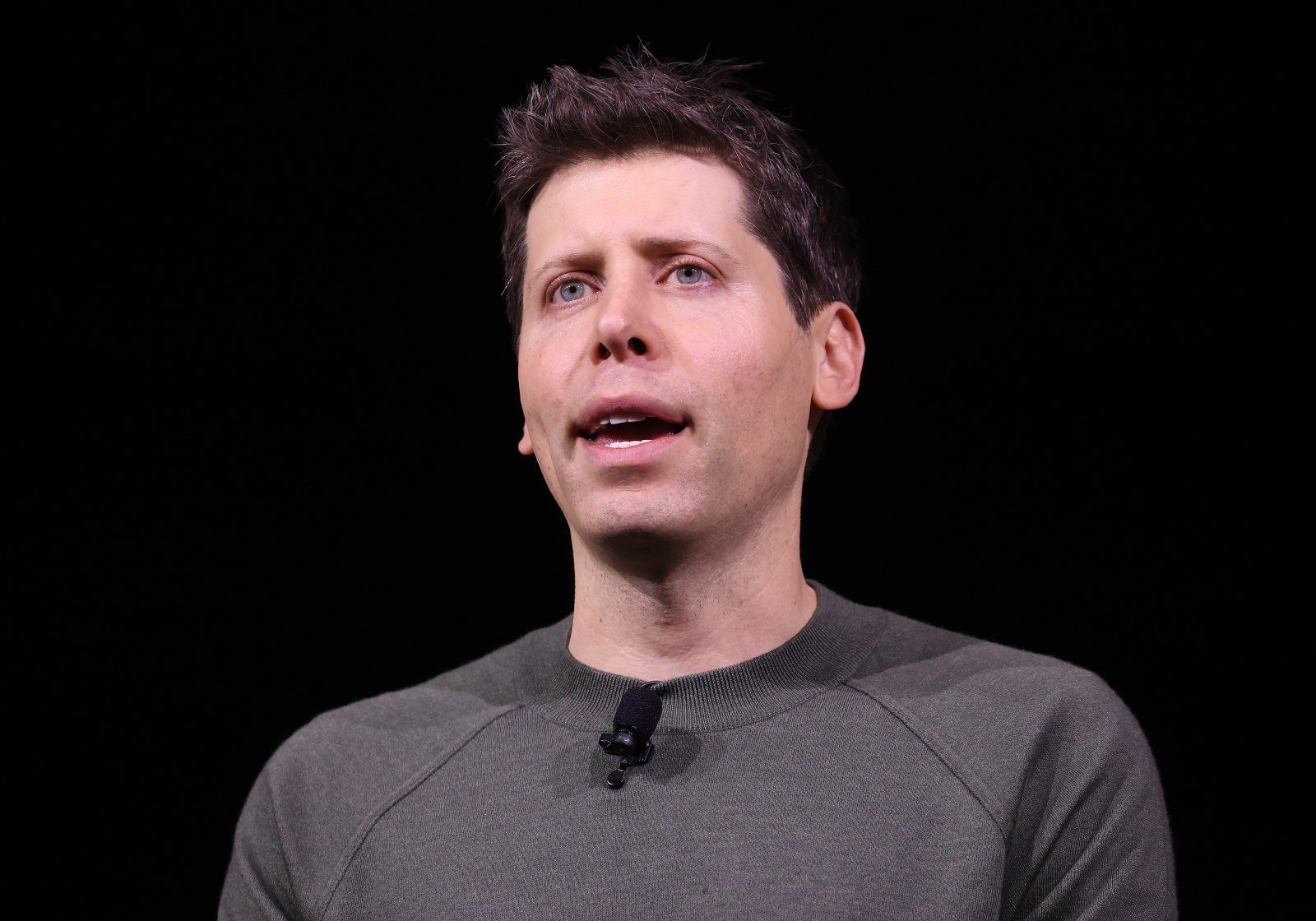
OpenAI chief executive Sam Altman spent part of Monday walking back a comment that annoyed a lot of PC builders. “I want to be clear, I want people to have a lot of RAM,” he said onstage at Semafor’s Silicon Valley & The World summit. “I think everybody should be able to buy a lot of RAM for their own computer. I think the home tinkering is great.”
The remark was a direct response to a line he delivered last month. On the Cheeky Pint podcast, Altman called it “quite terrible” that people put RAM in personal computers instead of data centres. The clip spread quickly among gamers, developers and hardware hobbyists who were already watching memory prices climb.
He tried to clean it up on X earlier this month. “i want you to have so much ram,” he wrote, adding that the original comments had been “taken out of context.” Monday’s appearance was the fullest version of that correction so far, The Verge reported.
The context he keeps pointing to is real. AI companies have spent two years buying up the world’s memory supply for data centres. That demand pushed DRAM prices up across the board, and the increase has already reached retail shelves. Phones cost more. Game consoles cost more. Single-board computers have been hit hardest.
Altman put a number on it. “The world did not build out that much, and now we have seen DRAM prices — I don’t know exactly, but maybe they went up 5x, 7x, something like that,” he said. He added that OpenAI had been warning about the memory supply chain “a few years ago.”
He also conceded that OpenAI has its own constraints. The company has “been constrained by different things at different times,” he said, naming memory, rack assembly, data centre capacity and, at one point, “some random component.” That list is a useful reminder that the bottleneck moves around rather than disappearing.
For consumers, the practical effect is already visible. Memory kits that cost $80 two years ago now sell for several hundred. Prebuilt systems ship with less RAM than buyers expect. The 16GB Raspberry Pi 5 climbed to $385 after another unavoidable increase, and similar jumps have landed on phones and handhelds.
Altman’s correction does not change the underlying economics. He wants people to own plenty of memory, and he also wants data centres to own far more of it. Both statements can be true at once while supply stays tight. The difference is that the second one sets the price everyone else pays.
Whether his reassurance lands is another question. PC builders heard a CEO explain that their hobby is wasteful, then heard him explain that he did not mean it that way. The memory market, meanwhile, is doing the talking. Chip export rules and the wider political fight over AI hardware keep adding pressure on top of demand.
The Netherlands, for internationals
One email a week: the week's news for internationals in the Netherlands, new practical guides and what changed in the cities. No spam, unsubscribe any time.