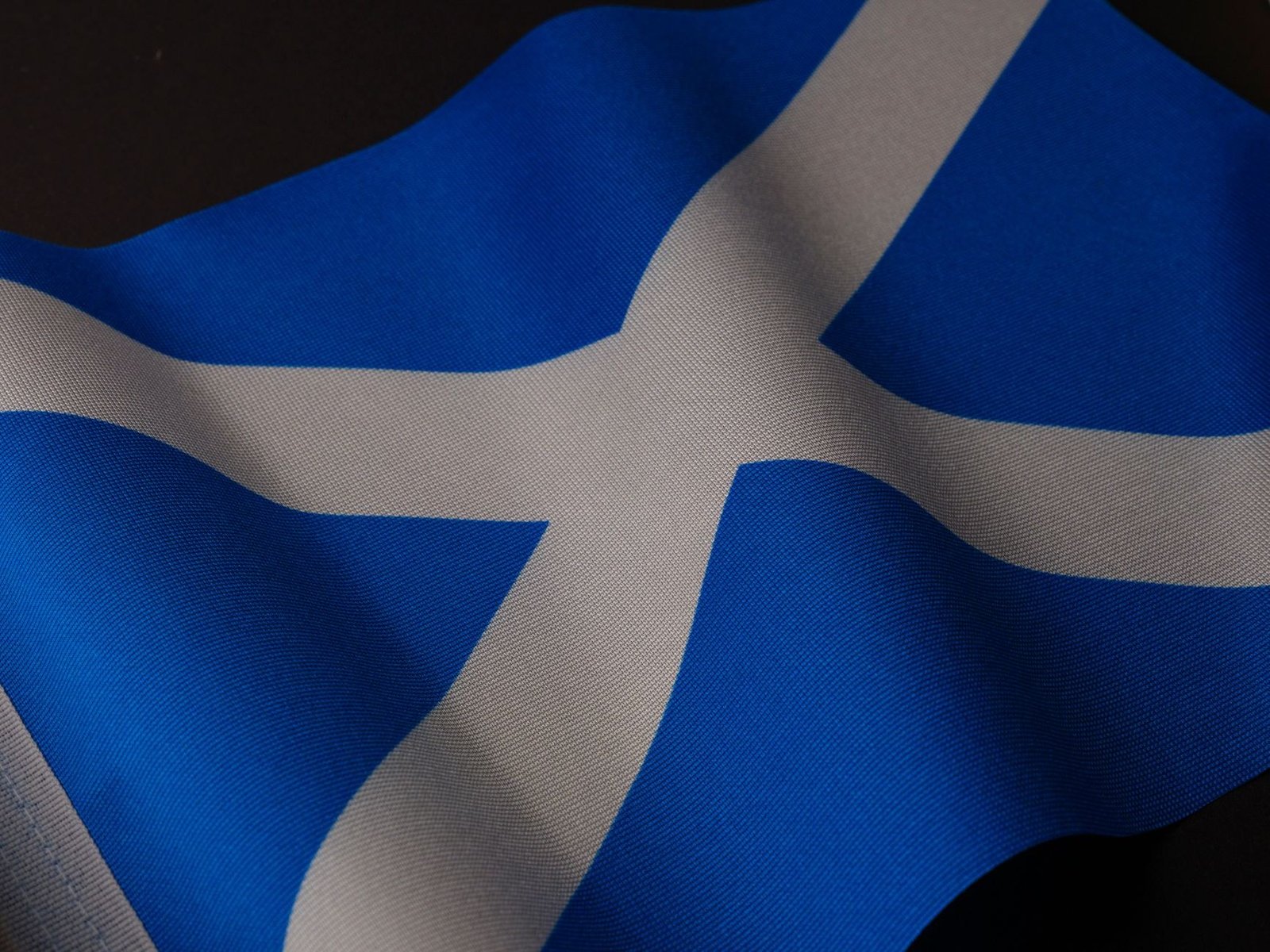
Scotland’s first minister, John Swinney, has told the Scottish National Party (SNP) conference in Aberdeen that the campaign for a second independence referendum “has already begun”. According to The Guardian, he announced a nationwide campaign called Choose Scotland, backed by what he described as “a six-figure war chest”, to make the case for leaving the United Kingdom.
What happened
Swinney gave his keynote speech to the SNP conference on Saturday. The Guardian reports that he promised the party’s “most sophisticated campaign in history” to persuade people in Scotland of the benefits of independence. The aim of Choose Scotland is to build consensus for leaving the union.
Swinney told delegates that the “stars were aligning” for the pro-independence cause. He pointed to a recent event where he shared a stage with pro-independence leaders from Wales and Ireland. “For centuries, people in the Celtic nations have been told that we are not good enough. Our languages were derided, our cultures suppressed, our histories rewritten,” he said. He added that pledging to work together meant opponents could “never again” portray them as separatists.
Swinney does not have the power to call a second referendum himself. The Guardian notes that the Westminster government would have to grant one. Even so, he told the conference that another vote could come sooner than expected. “Our independence is very close,” he said, adding that “the nations of the United Kingdom are evolving into a new relationship.”
Senior SNP figures at the conference set out how they think a referendum could happen. They argued that a hung parliament at Westminster is the most realistic route, because the SNP would probably “hold the balance of power” in forming a future progressive government. Deputy first minister Jenny Gilruth said the party would welcome an early general election. “The polling, of course, suggests that the SNP would hold the balance of power in a hung parliament,” she said.
Lara Bird, the MP for Arbroath and Broughty Ferry, told a podcast run by the pro-independence newspaper The National that the SNP could negotiate another referendum if the overall result were close. Bird said the SNP is polled at “somewhere between 40 and 50 MPs” at the next general election.
The Guardian reports that the party currently holds eight MPs. Recent polling suggests that number would rise at Labour’s expense in Scotland, although it is unclear by how much. The latest MRP poll by Electoral Calculus this week predicted a narrow Labour victory, with the SNP winning 28 seats. The Guardian adds that earlier polls had suggested the party could win more.
The UK prime minister, Andy Burnham, responded during a visit to Lanarkshire on Friday. He said the Scottish government needed to “move beyond” the question of independence. He also offered to work more closely with Swinney’s administration on devolving power. “People in Scotland are suffering the cost of living crisis, like they are in England and everywhere else,” he said. “Right now, too much time is wasted on those dramas.”
Why it matters if you live in United Kingdom
For internationals in the UK, and in Scotland especially, this story is about the long-term shape of the country you live in. The source shows that the question of Scotland’s place in the union is back at the centre of SNP strategy, and that the party is spending money on a campaign to change minds.
- No referendum has been called. The Guardian is clear that only the Westminster government can grant a second independence vote. Nothing changes in law for residents as a result of the conference.
- The next general election is now the key moment. The SNP’s own figures say its route to a referendum runs through a hung parliament at Westminster. If you are eligible to vote in UK general elections, the result in Scotland could affect whether a referendum is negotiated.
- Expect more campaigning. Choose Scotland is described as a nationwide effort, so people living in Scotland are likely to see more of the independence argument in public debate.
- The UK government’s position is different. Burnham wants to focus on the cost of living and practical solutions rather than constitutional questions, while offering closer work on devolution.
What to watch next
The first thing to follow is how Choose Scotland develops and what arguments it puts forward. Swinney has framed it as the party’s most ambitious campaign yet, so its messaging and reach will show how seriously the SNP is preparing for a future vote.
Polling will also matter. The gap between the Electoral Calculus forecast of 28 SNP seats and the range of 40 to 50 that Bird cited shows how uncertain the picture remains. Whether Labour can hold its ground in Scotland will help decide whether a hung parliament, and the leverage the SNP hopes it would bring, becomes likely.
Gilruth’s call for an early general election is worth watching too, as is any detail on Burnham’s offer to work more closely with Holyrood on devolution. How the Scottish government responds to that offer could show whether the two administrations find common ground or move further apart.
Finally, Swinney’s links with pro-independence leaders in Wales and Ireland suggest the SNP wants to present independence as part of a wider change in relations between the nations of the UK. Whether that cooperation turns into joint action will be a story to follow in the months ahead.
Source: The Guardian
Sources
- The Guardian: SNP says campaign for next referendum on independence ‘has already begun’, accessed 17 October 2026
The UK, for internationals
One email a week: the week's news for internationals in the UK, new practical guides and what changed in the cities. No spam, unsubscribe any time.