France has introduced partial curfews in Paris, Bordeaux, Nice and several other cities after the worst rioting the country has seen in years. According to The Local France, Prime Minister Lecornu said more curfews would be imposed where needed from Tuesday night, decided locally by prefects working with mayors.
What happened
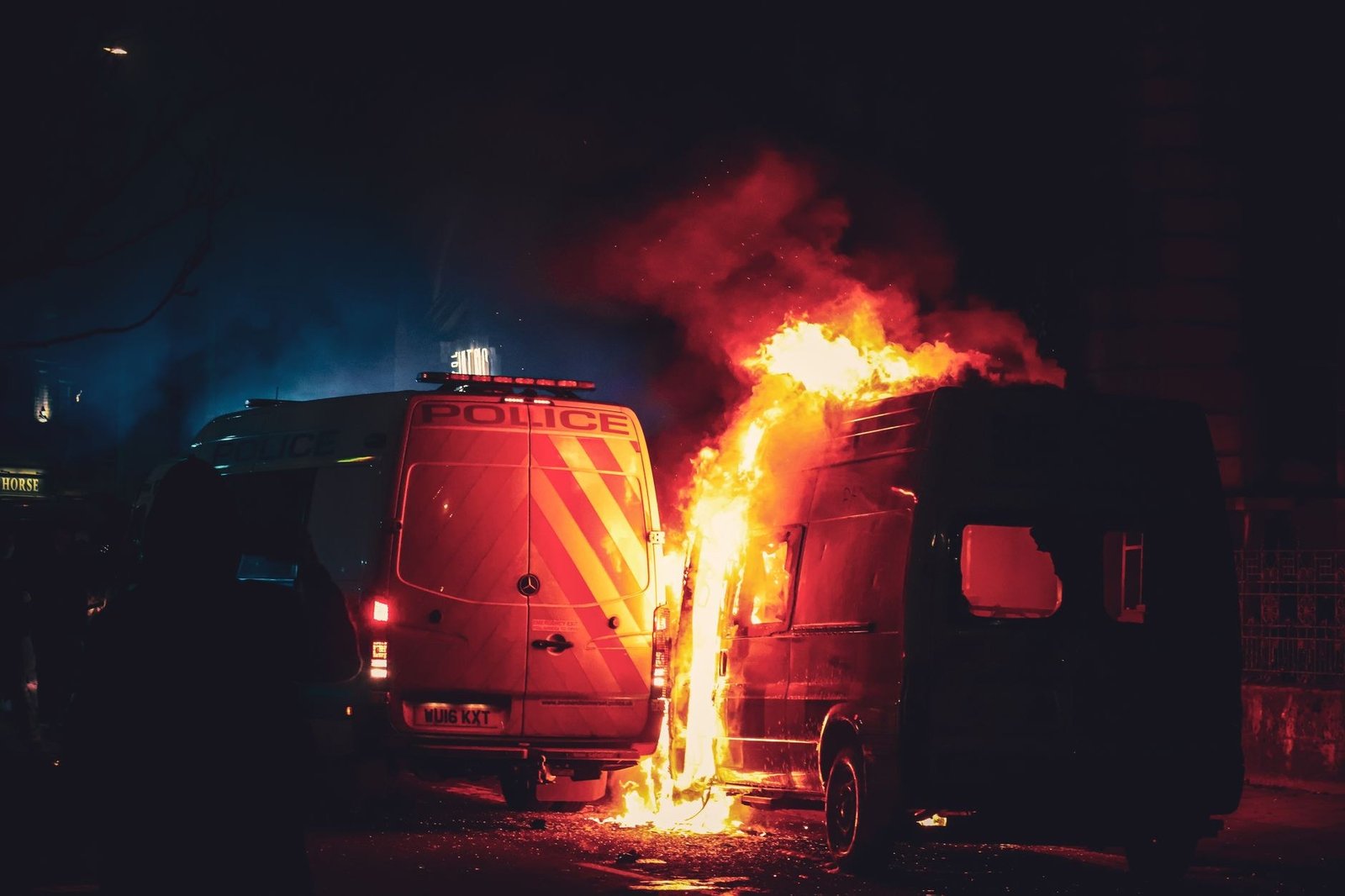
Some half a million people marched across France on Saturday against the rising cost of living, The Local reports. Those marches capped four weeks of protests that began with high school students demanding better learning conditions. In many cities the peaceful demonstrations turned violent. Masked groups attacked police, broke into public buildings and set some on fire, looted shops, and burned cars, bicycles and scooters.
More than 2,500 people were arrested and nearly 1,000 members of the security forces were injured. Protesters were also hurt, and one demonstrator lost a hand to a police crowd-control grenade. Justice Minister Gerald Darmanin said more than 2,513 people had been taken into police custody since the weekend, that 67 had been jailed and that “dozens” of criminal cases had been opened. He also said the authorities would use facial recognition on social media to identify those responsible.
The government had deployed 60,000 police and gendarmes on Saturday, and it is now accused of failing to anticipate and contain the violence. Interior Minister Laurent Nunez offered his resignation, but President Emmanuel Macron refused to accept it. Macron has admitted failures in the government’s response.
Partial curfews came into force on Monday night. “Targeted curfews have contributed to calm overnight,” Lecornu wrote on X. Police confirmed that the night passed without major incidents anywhere in France.
What it means for you
The curfews have been narrow so far. The Local reports that they cover only a few dozen streets and come with many exceptions and exemptions. Several points matter for residents:
- Paris: the first curfew applied only to the night from Monday to Tuesday. Place de la République, one of the centres of the unrest, was watched overnight by a helicopter with a searchlight checking that people were respecting the curfew.
- Bordeaux and Nice: restrictions in these cities were due to stay in force for several days.
- Other areas: new curfews can be ordered each night by the préfet (the prefect, the central government’s representative in each département) together with local mayors. The rules can therefore change from one evening to the next and from one neighbourhood to another.
- Lyon: demonstrations are banned. Around 500 people still gathered on Monday evening outside the tourism office, which had been set on fire, to support shopkeepers hit by looting.
If you live or work near the affected areas, check your préfecture (the prefect’s office) and your town hall for the exact streets, hours and exemptions before going out in the evening. Visitors may also be affected: on Monday the Louvre was closed because of a small group of student protesters.
Several foreign governments have issued warnings. The US embassy in Paris told American citizens to avoid demonstrations. Germany updated its travel advice for France, saying “further outbreaks of violence in the coming days cannot be ruled out”. According to state broadcaster CCTV, China told its citizens travelling to France to be aware of the risks and take precautions. If you have family or guests planning a visit, they should check their own government’s latest advice.
The unrest has hit at least 3,000 businesses, according to preliminary estimates, with damage running into hundreds of millions of euros. Finance Minister Roland Lescure has promised support measures for shopkeepers and craftspeople. Patrick Martin, head of the Medef (France’s main employers’ federation), said the state had “failed”. Digital Minister Anne Le Henanff has asked online resale platforms to remove listings for “stolen items” and has summoned representatives of companies including Vinted and eBay. If you buy second-hand goods online, be careful with listings that look suspicious.
What to watch next
The government planned a further series of emergency meetings on Tuesday, including talks with representatives of major social media platforms. Watch for decisions from the prefects on where curfews are extended or newly imposed, and for any measures for affected businesses.
The Local has also published a guide to further protests expected on Saturday 24 October, so check local announcements before travelling that weekend. The political stakes are high, with presidential elections due in April and May to choose Macron’s successor. The government has accused ultra-left groups of stirring up the violence to help far-left candidate Jean-Luc Mélenchon, while far-right candidate Marine Le Pen is doing well in the polls. The European Union called the violence “unacceptable” but said the right to peaceful protest in France “must be protected”.
Source: The Local France
Sources
- The Local France: Where in France have curfews been imposed?, accessed 21 October 2026
France, for internationals
One email a week: the week's news for internationals in France, new practical guides and what changed in the cities. No spam, unsubscribe any time.