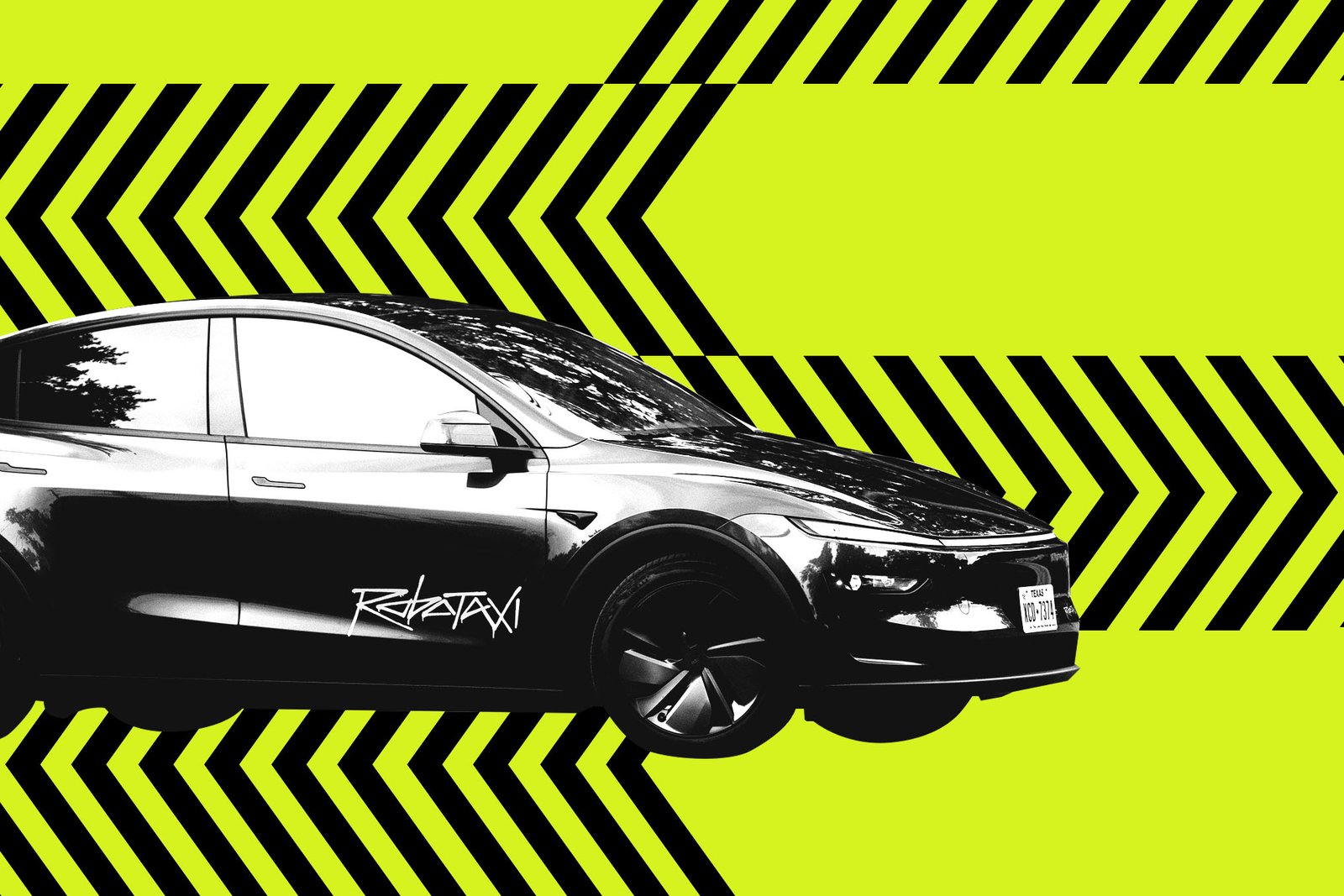
Tesla has finally put a date on one of Elon Musk’s oldest promises. During Wednesday’s third-quarter earnings call, the company said owners may add their own vehicles to its robotaxi fleet in the second quarter of 2027.
Ashok Elluswamy, Tesla’s vice president for autonomous driving, explained the plan on the call. He said the software running Cybercabs and the Model Y is identical. The company expects to ship that same software to customers as part of its V15 release soon.
The remaining work is fleet management, according to Elluswamy. Customer cars must join Tesla’s geofences before they can operate without a human behind the wheel. “We suspect somewhere around Q2 next year,” he said, when the first customer vehicles join the network.
That timeline deserves scepticism, because Musk has a long record of missed autonomy deadlines. In 2019 he promised a million robotaxis on the road by 2020. He also said owners would earn passive income while their cars drove passengers around.
Seven years later, Tesla operates a few hundred robotaxis in Texas and Florida. Some still carry human safety monitors. It also runs several dozen fully driverless Cybercabs in Austin.
The company did share one genuine bright spot this quarter. More than 75 percent of new North American buyers chose Full Self-Driving (Supervised), a jump of almost 20 points. Tesla also says its cars have driven 3.3 million autonomous miles, up from 380,000 in July.
Vehicle sales still fell, however. Revenue flatlined and profits dipped, which puts pressure on the autonomy story. Opening the fleet to customer cars would give Tesla scale without building more vehicles.
Regulation remains the harder problem. Unsupervised ride-hailing needs local and state permits in most markets. Insurance for a privately owned driverless taxi is largely untested. In many places, using a personal self-driving car as a taxi is simply illegal.
Hardware splits the fleet too. Older Model 3 and Model Y cars lack the newest compute needed for full autonomy. The Cybercab was designed for passenger service from the start, while consumer cars need extra software layers to guarantee safety.
Tesla may clear every technical and legal hurdle by Q2 2027. History suggests the date will slip again, so treat the announcement as an intention rather than a plan.
Related reading on mylistingo: Tesla and SpaceX open merger talks with $3.6 trillion at stake.
Source: The Verge — Tesla says customers can add their own vehicles to the robotaxi fleet next year
The Netherlands, for internationals
One email a week: the week's news for internationals in the Netherlands, new practical guides and what changed in the cities. No spam, unsubscribe any time.