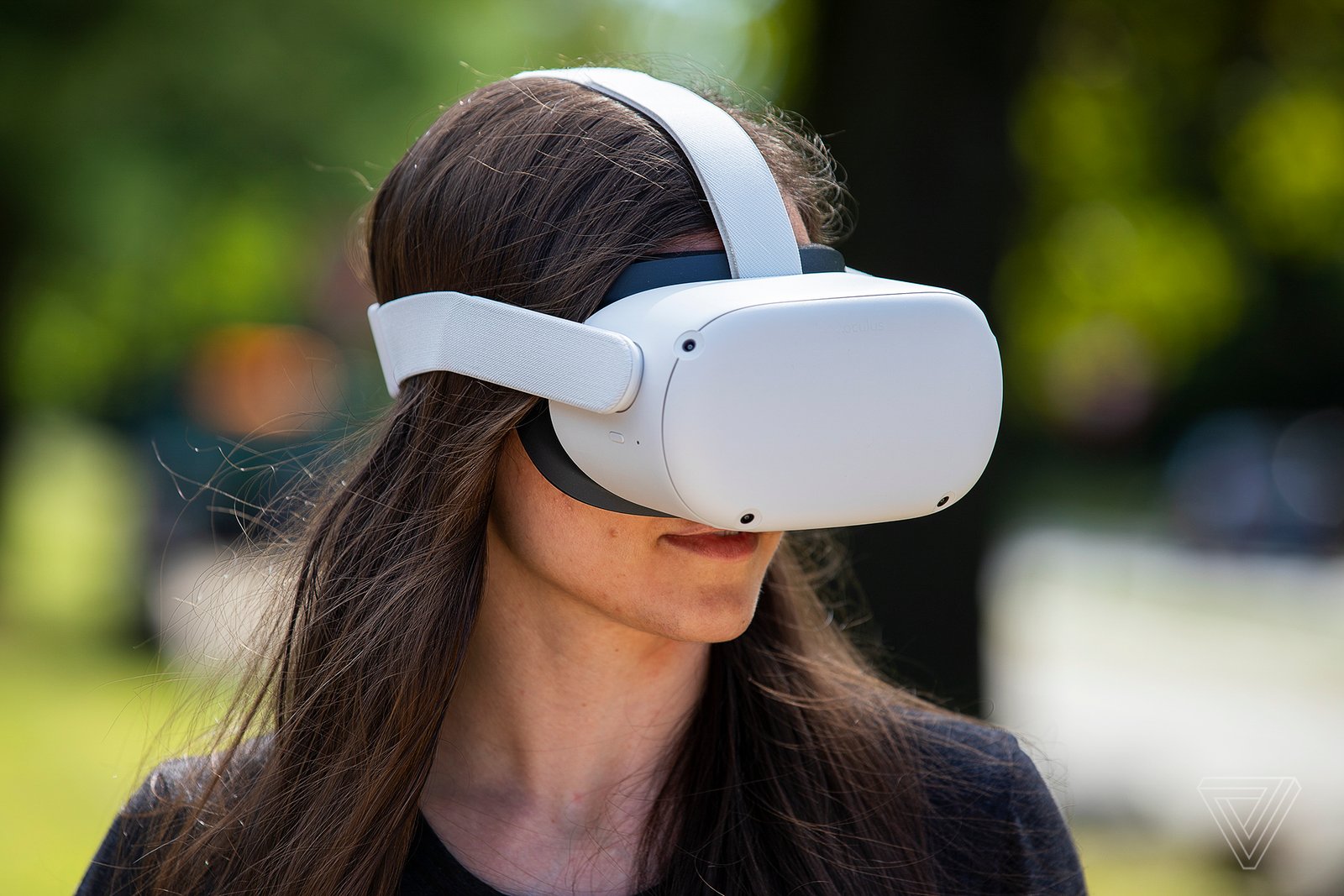
Meta will stop shipping new operating system updates for the Quest 2 and Quest Pro by March 2027. The company confirmed the plan in a note to developers this week. The final release is expected to arrive as version v213.
Both headsets already left store shelves. Meta launched the Quest 2 in 2020 and the Quest Pro in 2022. It discontinued both products in 2024, yet kept the software current for owners who still use them.
Support does not end completely in March. Meta says it will ship security patches and critical bug fixes through the end of 2027. Developers can still submit apps that support either headset until December 2027.
Quest 3 becomes the new floor
Meta now calls the Quest 3 and Quest 3S “the baseline for Meta VR gamers.” Both headsets run the same OS and SDKs as the company’s upcoming VR Glasses. Those glasses are scheduled to launch in spring 2027.
That shared foundation matters for developers. An app built for the Quest 3 should carry forward to the new glasses without a separate port. Apps that target the older headsets will not get that path.
“Quest 2 and Quest Pro laid the foundation for this platform, and millions of people still play on them,” Meta said. The company added that the newer headsets offer “more performance headroom and mixed reality built in.”
What the deadline means for owners
Anyone still using a Quest 2 keeps a working headset for now. Games and apps already installed will keep running after the update window closes. New features and platform-level changes will not reach the device.
Security coverage ends in December 2027. After that point, the firmware stops receiving patches for known vulnerabilities. Owners who sign into the headset with payment accounts should note that cutoff.
Studios face a tighter calendar. A multiplayer title with a large Quest 2 audience must maintain a legacy build or drop support before submissions close. Smaller teams may simply stop shipping updates for the older hardware.
The company is making this move ahead of a hardware transition. Meta’s VR Glasses will compete with Apple’s Vision line and a crowded field of mixed reality devices. Dropping the two oldest headsets lowers the number of devices developers must support.
The announcement also follows Meta’s broader push to consolidate its VR platform around a single software stack. The strategy echoes how phone makers retire old models while keeping security patches alive for a while.
Read the original report at The Verge. For more hardware coverage, see our HomePod Mini 2 first look.
The Netherlands, for internationals
One email a week: the week's news for internationals in the Netherlands, new practical guides and what changed in the cities. No spam, unsubscribe any time.