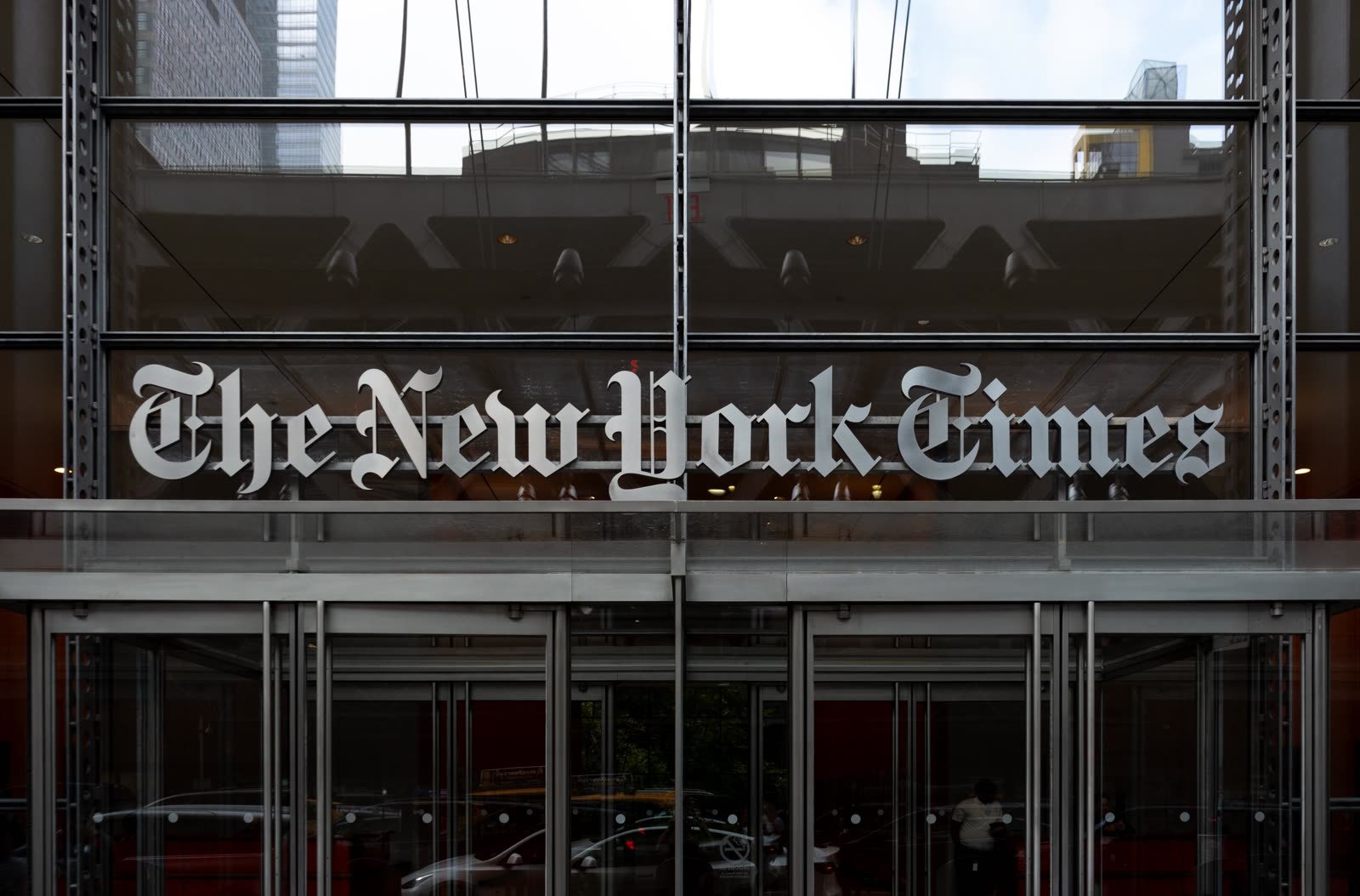
The New York Times and a group of other publishers filed a lawsuit against Brave Software on Monday. The case targets the company’s browser, its search index, and its paid data deals with AI developers.
The complaint came from the New York Daily News, the Chicago Tribune, and the Orlando Sentinel. Reuters reported the filing first. It accuses Brave of copying publisher material without permission and then reselling access to it.
Brave runs its own independent index of the web. Publishers say that index was built from their articles without consent. AI companies then pay Brave for real-time access to that index.
The suit names Anthropic, Perplexity, Mistral, xAI, and Cohere as recipients of that access. Brave allegedly supplied them with what the complaint calls “stolen copyrighted content.”
Brave also markets a paywall blocker inside its browser. The company advertises access to “hundreds of top publishers” through that feature. Publishers say they never agreed to any of it.
“Brave has never asked for the Publishers’ permission to access their websites, much less to copy the material and provide it to users or other AI companies,” the complaint reads.
The filing adds that Brave takes steps to stop publishers from blocking its access. It says the company has never paid for the use, copying, or distribution of that material.
Graham James, a spokesperson for the Times, gave The Verge a short statement. “While we believe in the ethical and responsible use and development of AI, Brave has flouted established copyright law,” he said. He added that Brave ignored repeated requests from the Times to stop the practice.
This is the latest entry in a widening wave of publisher litigation over AI training data. Newsrooms have argued for two years that scraping for model training is not fair use. Some have signed licensing deals instead. Others have gone to court. Google faced a similar complaint from major publishers earlier this year, which mylistingo covered in detail here.
The Brave case is unusual because it targets a browser maker rather than a model developer. Brave positions itself as a privacy-first alternative to Chrome. Its business model depends on advertising and on subscriptions to premium features.
The competitive angle is easy to see. A browser that strips paywalls turns published journalism into free inventory. Selling that inventory to AI firms completes the loop. That is the behavior the publishers want a court to price.
The Times has already sued OpenAI and Microsoft over training data. That case is still moving through federal court. Monday’s filing puts a second major gatekeeper in the Times’ crosshairs. Chinese AI firms face separate copying claims, which we examined in this report.
Source: The Verge
The Netherlands, for internationals
One email a week: the week's news for internationals in the Netherlands, new practical guides and what changed in the cities. No spam, unsubscribe any time.