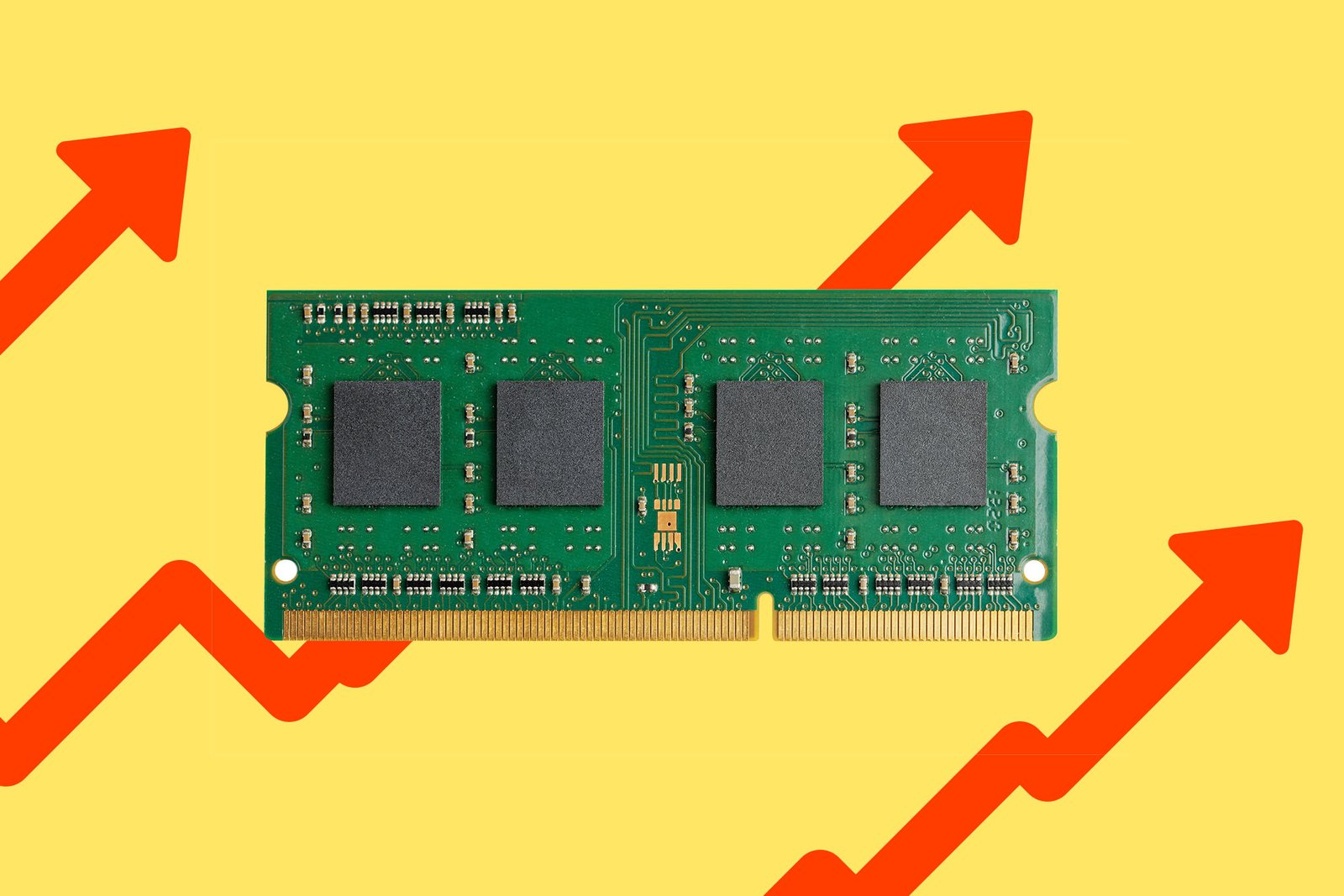
TSMC is weighing a move into the memory business, according to a report from The Information. The world’s largest chipmaker would start with next-generation 3D DRAM. Nvidia reportedly asked the company to consider the idea.
The timing is not random. AI data centers are buying up memory faster than factories can produce it. RAM prices have climbed for months, and the shortage has pushed up the cost of laptops, phones, and even single-board computers. TSMC currently makes logic chips for customers and leaves memory to specialists.
What 3D DRAM changes
Traditional DRAM lays memory cells out on a flat plane. 3D DRAM stacks layers of cells vertically, the same way NAND flash moved to stacked designs years ago. Stacking raises bandwidth and capacity per chip while keeping power use and physical footprint under control. That matters for AI accelerators, which spend much of their time waiting on memory.
If TSMC enters this market, it would compete with Micron, Samsung, and SK Hynix. Those three companies dominate global memory supply today. A new entrant with TSMC’s manufacturing scale could loosen the bottleneck, though building memory capacity takes years and enormous capital spending.
Why Nvidia cares
Nvidia’s accelerators depend on fast memory. When memory is scarce, GPU shipments slow down and prices rise across the whole stack. Nvidia has an interest in more suppliers, more capacity, and a shorter path from wafer to finished system. Asking its main manufacturing partner to make memory fits that logic.
The report is not a confirmation. TSMC has not announced a memory product line, and the company has historically avoided competing with customers and partners. Still, the rumor shows how far the AI boom has stretched the semiconductor supply chain.
Consumers are already feeling it. Raspberry Pi raised prices on its 16GB model again this week. OpenAI CEO Sam Altman spent part of election night defending his comments about where the world’s DRAM should live, as we covered in our report on the “Ram Altman” episode.
Memory has moved from a boring commodity to a strategic bottleneck. Any company that can add supply now has leverage over the entire AI economy. Read the original Verge report, which cites The Information.
Related reading: Beyond 2nm: the race for next-generation semiconductor manufacturing.
The Netherlands, for internationals
One email a week: the week's news for internationals in the Netherlands, new practical guides and what changed in the cities. No spam, unsubscribe any time.