


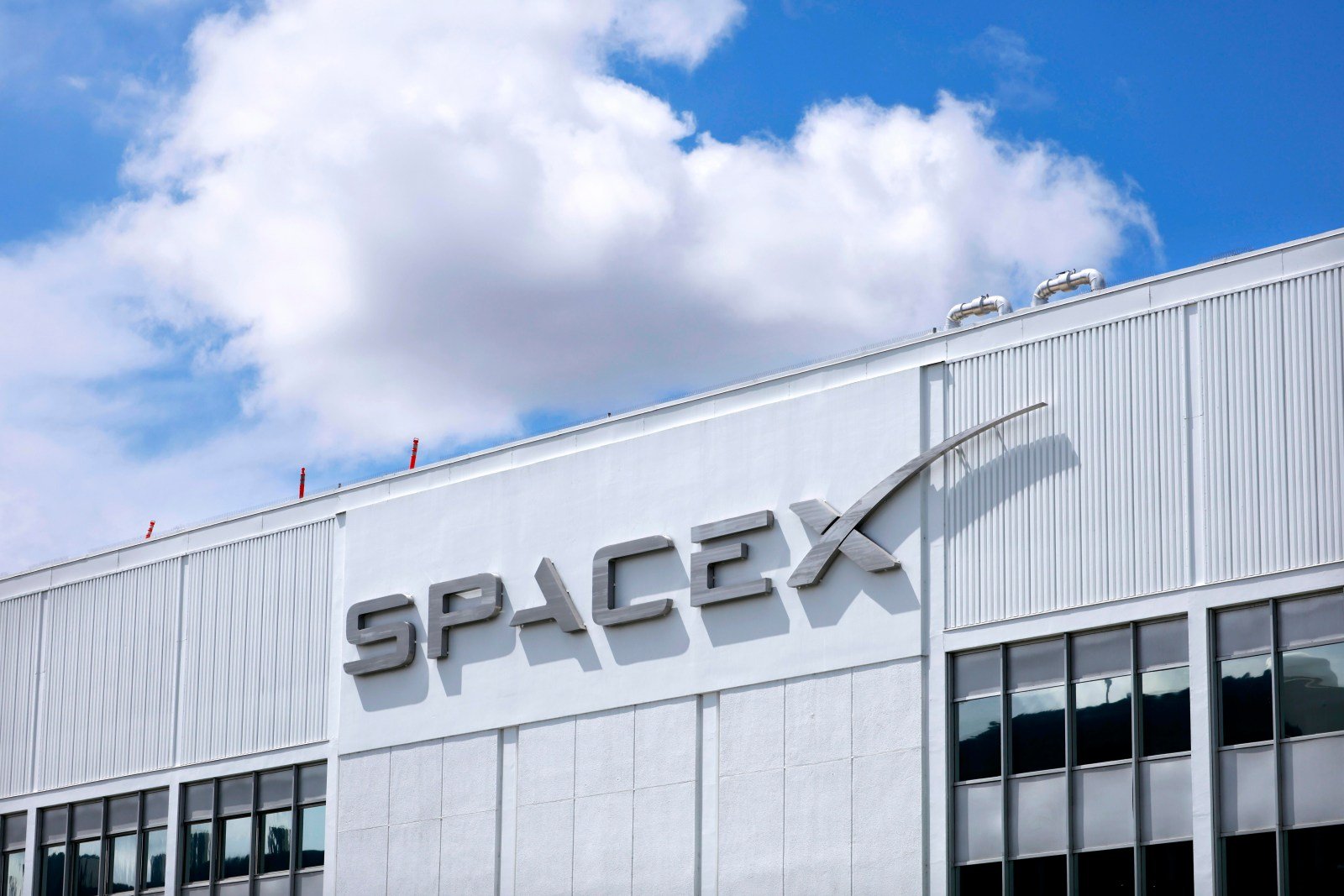
The Federal Communications Commission has authorized SpaceX to launch up to one million satellites carrying AI chips. The approval covers the company’s Starmind project, which Elon Musk’s space firm describes as a solar-powered computing network in orbit. The FCC announced the decision on Wednesday.
This is the first time the agency has approved a full constellation of AI satellites. Google and Blue Origin are chasing similar ideas, but neither has won approval at this scale. The filing gives SpaceX a long runway to build out the hardware.
A buildout measured in decades
Regulators attached two firm deadlines to the license. SpaceX must deploy at least one Starmind satellite by 2033. The company then has until 2040 to reach the one million satellite milestone.
SpaceX says Starmind will capture solar energy in space and use it to power AI systems on Earth. Data would travel back through high-speed lasers linked to the existing Starlink network. The company plans to manufacture its own chips at an upcoming Terafab facility.
Debris questions stay open
The FCC deferred one part of SpaceX’s request. The company asked to park spent satellites above 600 kilometers in “graveyard” orbits instead of letting them burn up in the atmosphere. Regulators said SpaceX had not provided sufficient information about how it would dispose of hardware.
That gap matters because a constellation this large would multiply the number of tracked objects in low Earth orbit. Astronomers and debris researchers already warn that megaconstellations complicate sky surveys and collision avoidance.
Rivals are close behind
Google launched a Project Suncatcher AI server satellite last month. Blue Origin will carry out the first dedicated heavy-lift launch for Suncatcher in 2029. Amazon’s competing satellite internet buildout is still recovering from this month’s Vulcan launch failure.
The approval does not guarantee a working product. SpaceX still needs chips that survive launch, thermal systems that dump heat in vacuum, and laser links that hold a connection. The climate cost of orbital compute is also unresolved, as the fight over AI data centers at COP31 showed this week.
For now, the FCC has handed SpaceX the largest orbital computing license ever granted. The company’s next job is proving the hardware works.
Source: The Verge — FCC signs off on SpaceX’s plan to put up to 1 million data center satellites into space
The Netherlands, for internationals
One email a week: the week's news for internationals in the Netherlands, new practical guides and what changed in the cities. No spam, unsubscribe any time.