


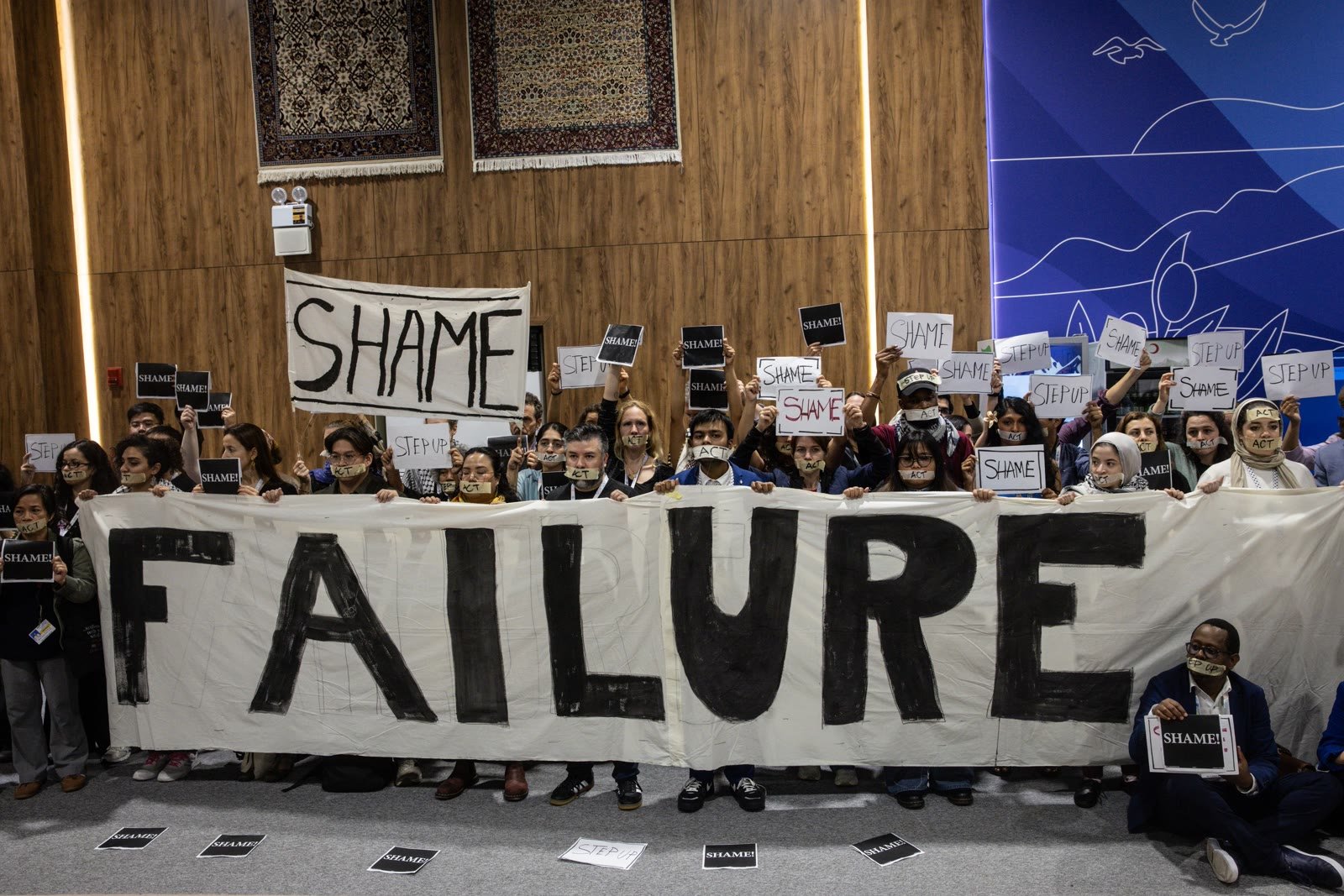
The UN climate summit in Antalya, Turkey closed on Sunday without a deal. COP31 ran two days past schedule, making it the longest conference of its kind. Delegates left with nothing to show for the extra time.
The sticking point was electricity. Negotiators wanted an agreement to lift electricity’s share of global energy consumption to 35 percent by 2035. That figure sits near 20 percent today. Hitting it requires electrifying heating, transport, and industry at speed.
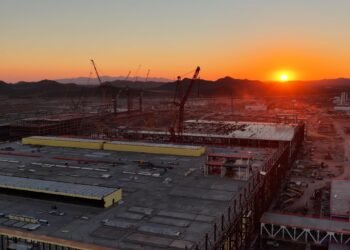
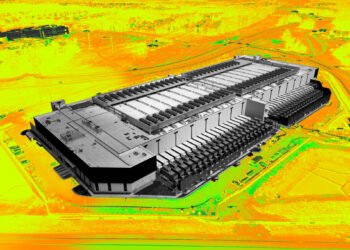
AI data centers make that harder. Server farms for training and inference are pushing power demand up across the United States, Europe, and Asia. Planners who expected flat demand now face forecasts that climb year after year.
“Every climate minister in the world is thinking about this,” Chris Bowen told Politico. Bowen is Australia’s minister for climate change and energy and president of the COP31 negotiations. He added that the issue will inevitably come up in the discussions as part of the broader energy transformation.
A summit that ran out of road
The conference was supposed to deliver a package on moving away from fossil fuels. Instead, official negotiations collapsed. Advocates quoted by The Verge called it the worst UN climate summit yet.
The underlying tension is not new. Clean energy buildout is accelerating, but so is demand. When a single hyperscale campus can draw as much power as a mid-sized city, the arithmetic behind national targets changes fast.
That leaves governments with two options. They can slow data center growth through permitting and grid rules. Or they can accelerate renewable and transmission construction to match the new load. Most are attempting both, which is why the topic keeps landing on the diplomatic agenda.
What happens next
Talks will resume at the next conference with the same unresolved questions. Grid capacity, transmission permitting, and water use for cooling all remain national problems with global consequences.
Companies building AI infrastructure now face more scrutiny over where they site projects and how they power them. The era of treating compute demand as someone else’s problem is over.
Related reading: San Francisco rides the AI boom while bracing for a possible crash, and our report on how UN talks on killer robots ended without a deal.
The Netherlands, for internationals
One email a week: the week's news for internationals in the Netherlands, new practical guides and what changed in the cities. No spam, unsubscribe any time.