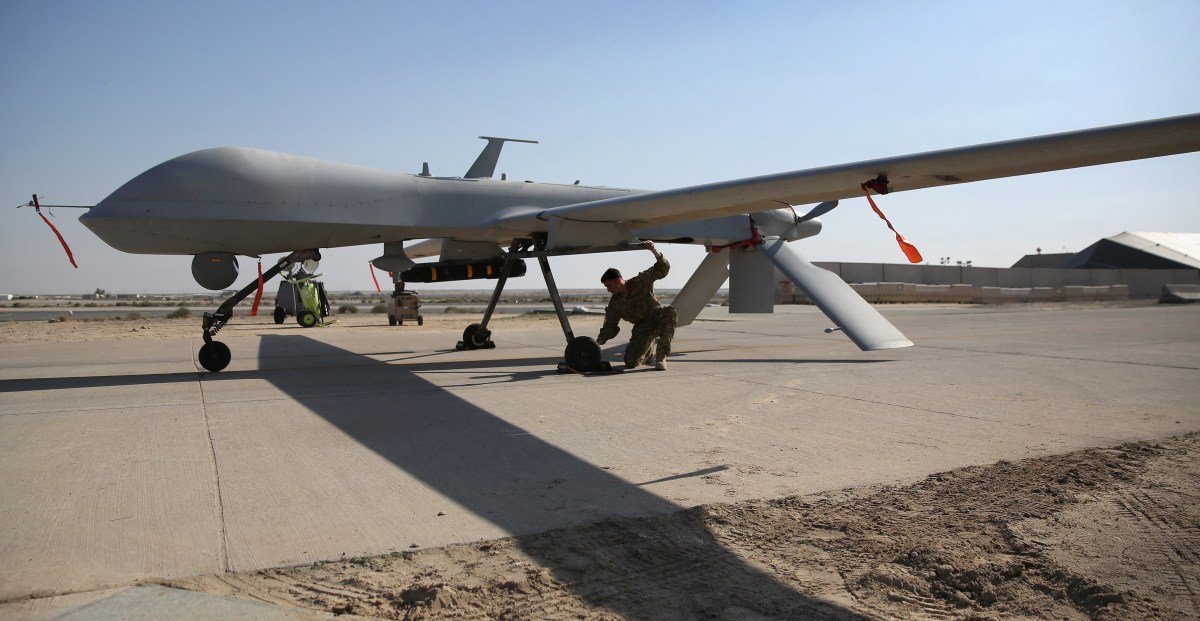
Diplomats wrapped up a week of talks in Geneva without agreeing on rules for autonomous weapons. Countries settled instead on a promise to “start discussing options.” Humanitarian groups had pushed for a great deal more than that.
The International Committee of the Red Cross wanted legally binding rules drafted within a year. The UN secretary-general and Pope Leo backed that call before negotiations began. Neither appeal survived the week intact.
The compromise gives countries two more years to propose regulations. Talks over which rules to adopt, and how to enforce them, will likely run well past that deadline. The text also leaves room for some future rules to stay “optional.”
Russia opened the meeting by objecting to the agenda, which stalled day one. The United States then proposed a five-year window for nonbinding guidelines. Both moves slowed a process that several delegations wanted to move quickly.
Why aid groups wanted speed
Semi-autonomous weapons and armed drones have been linked to a large share of civilian deaths in recent conflicts. Ukraine, Gaza, and Sudan all appear in that record. Aid agencies argue the casualties are a present problem, not a future one.
Machines that select and attack targets without a human deciding raise a specific legal problem. Under existing humanitarian law, someone must answer for each strike. A weapon that picks its own target makes that accountability very hard to assign.
Officials describe the gap as a question of who stands in the dock. No delegation has offered a workable answer this year. The chair’s summary instead records an agreement to keep the conversation alive.
What happens now
The practical result is delay. Countries will keep meeting, keep drafting, and keep disagreeing about whether any rule should bind them. Drones already in service will not wait for the paperwork.
Campaigners say the two-year window invites the same objections to resurface in 2028. They point to the word “optional” as the part most likely to hollow out any final text. A treaty that countries may ignore changes little on a battlefield.
Related coverage: Signal Blocks Screenshots to Keep Gemini and Siri Out of Your Chats and Waymo and Serve Robotics Walk Away From Uber.
Source: The Verge, citing NPR reporting from Geneva.
The Netherlands, for internationals
One email a week: the week's news for internationals in the Netherlands, new practical guides and what changed in the cities. No spam, unsubscribe any time.