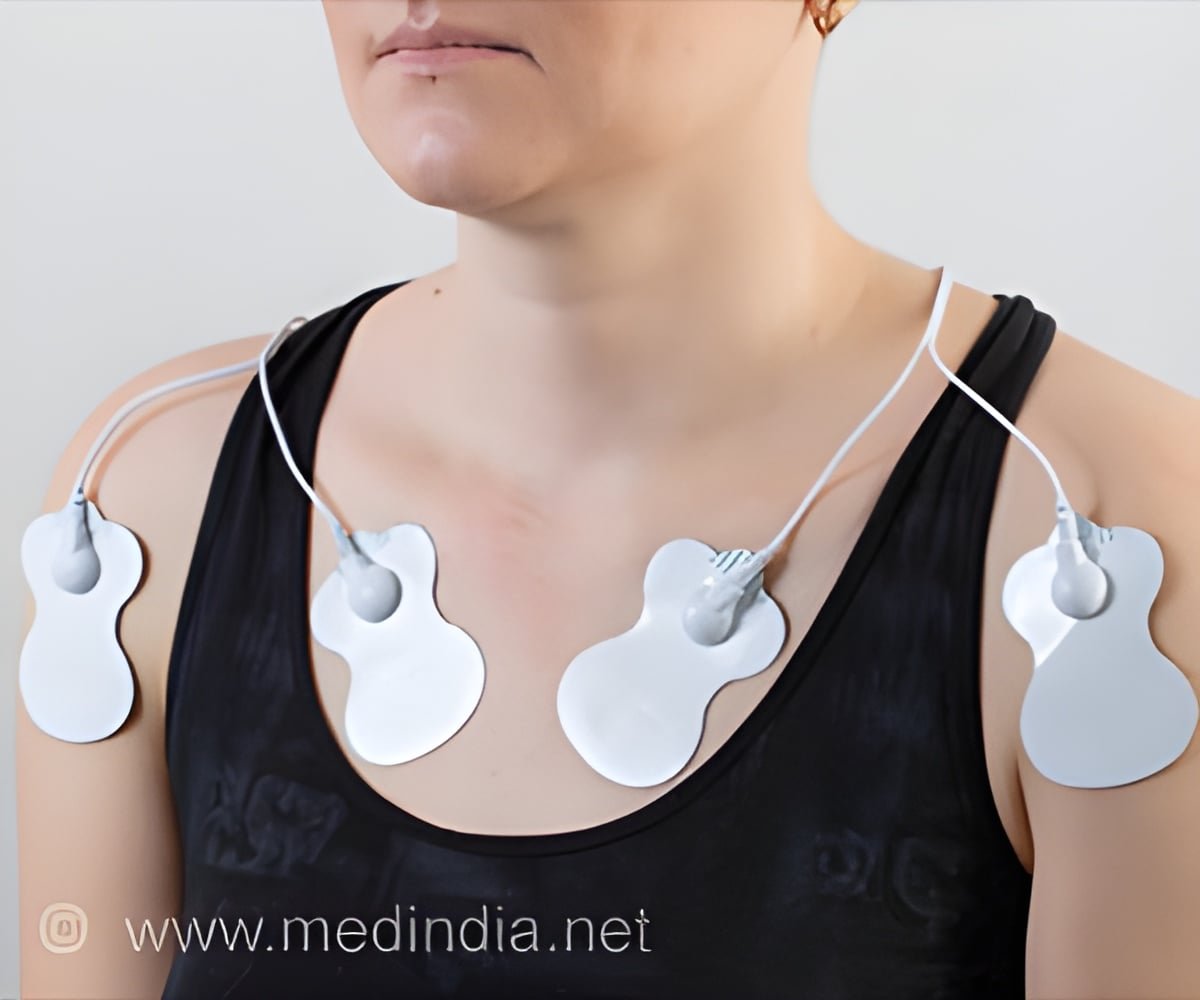
For decades, the 12-lead electrocardiogram has been one of medicine’s most reliable workhorses. It is fast, cheap, and available in virtually every clinical setting on the planet. But it has always had a blind spot: the ECG was never designed to catch structural heart disease, the category of conditions that includes heart failure, valve disease, and the dangerous thickening of cardiac muscle known as hypertrophy. That is beginning to change.
On June 23, 2026, a New York-based startup called Pathway Labs announced that its AI model EchoNext had received FDA clearance for six separate cardiac indications, making it the world’s first multicondition AI tool cleared to detect structural heart disease from a standard ECG. The same day, the company revealed a partnership with OpenEvidence, the clinical decision support platform used by more than 500,000 physicians across the United States.
The announcement landed alongside a remarkable case study. On June 22, the journal Nature Medicine published what researchers described as a world first: a patient whose undiagnosed heart failure was flagged by EchoNext after their standard ECG was analyzed, a finding that would otherwise have been missed. That detection ultimately led to a heart transplant, the first ever attributed to an AI’s diagnosis.
What EchoNext Actually Does
The model was trained on more than 700,000 ECG and echocardiogram pairs drawn from the patient records of NewYork-Presbyterian, one of the country’s largest hospital systems. Where a cardiologist reads an ECG for rhythm and electrical abnormalities, EchoNext was trained to find patterns in that same electrical data that correlate with structural problems the ECG was never meant to surface.
The six conditions it is now cleared to screen for include right and left-sided heart failure, valve disease, severe hypertrophy compatible with infiltrative cardiomyopathy, and pulmonary hypertension. In internal studies, the model outperformed cardiologists reviewing the same ECGs, even cardiologists who had AI assistance available to them.
Pathway Labs founder and cardiologist Dr. Zak Kohane has described the tool as a way to turn a test that billions of people already receive each year into a screening opportunity for conditions that often go undetected until they become emergencies. The company raised $8.5 million to bring EchoNext to market.
The OpenEvidence Partnership
The practical reach of EchoNext will depend heavily on how it gets into clinical workflows. That is where the OpenEvidence partnership becomes significant. OpenEvidence is the platform that roughly half of all practicing US clinicians use to look up drug information and clinical guidance during a patient encounter. Integrating EchoNext into that platform means the screening output can appear at exactly the moment a clinician is already making a decision about a patient’s care.
The arrangement does not require hospitals to install new hardware or change their ECG equipment. A physician ordering a routine ECG would receive EchoNext’s assessment alongside the standard readout, flagging patients who may need follow-up imaging.
A Turning Point for AI Diagnostics
The Pathway Labs clearance is significant not just because of the clinical application but because of what it signals about how the FDA is approaching AI diagnostic tools. Multicondition clearance means the agency evaluated EchoNext across all six indications simultaneously, a more demanding standard than clearing a single-condition detector.
Heart disease remains the leading cause of death globally, and a substantial portion of those deaths are linked to conditions that were not identified early enough for intervention. Structural heart disease in particular tends to be asymptomatic in its early stages, which makes it an ideal target for an AI screening layer built on a test that patients are already taking.
The case published in Nature Medicine illustrates the stakes. The patient received a standard ECG as part of routine care. EchoNext flagged an abnormality that the treating team then investigated further. The investigation led to a diagnosis of advanced heart failure, and the patient subsequently received a transplant. Without the AI’s alert, the clinical notes suggest the condition would likely have remained hidden until the patient experienced a decompensating event.
For a broader look at how artificial intelligence is transforming diagnostics and patient outcomes, explore the latest health and technology coverage at Mylistingo.
What Comes Next
Pathway Labs says it plans to expand EchoNext beyond its current six indications and is in conversations with hospital systems about direct integration. The company has not disclosed pricing for clinical access through OpenEvidence, but the platform’s model has historically involved licensing deals with health systems and insurance providers rather than direct-to-consumer fees.
The broader question is whether a tool like this changes care patterns at scale. Getting a flagged result on an ECG is useful only if the follow-up imaging, the echocardiogram that can confirm structural disease, is accessible and affordable for the patient. That is a problem EchoNext cannot solve on its own. But it represents a real and meaningful step toward catching a category of dangerous conditions much earlier than has historically been possible.
The Netherlands, for internationals
One email a week: the week's news for internationals in the Netherlands, new practical guides and what changed in the cities. No spam, unsubscribe any time.