Sixteen dollars and twenty-five cents a share. That is the price Tempus AI put on Personalis on Monday, an all-stock offer that values the cancer genomics firm at roughly $1.5 billion and hands Tempus the piece of the oncology market it has been circling for three years: the ability to detect a cancer coming back before a scan can see it.
The premium was thin, about 6 percent over the prior close. The ambition behind it is not. Tempus, the Chicago company founded by Groupon co-founder Eric Lefkofsky, has spent a decade assembling one of the largest libraries of clinical and molecular data in medicine and training AI models on top of it. Personalis gives that machine something new to watch: the faint genetic signal of residual disease circulating in a patient’s blood.
The disease you cannot see
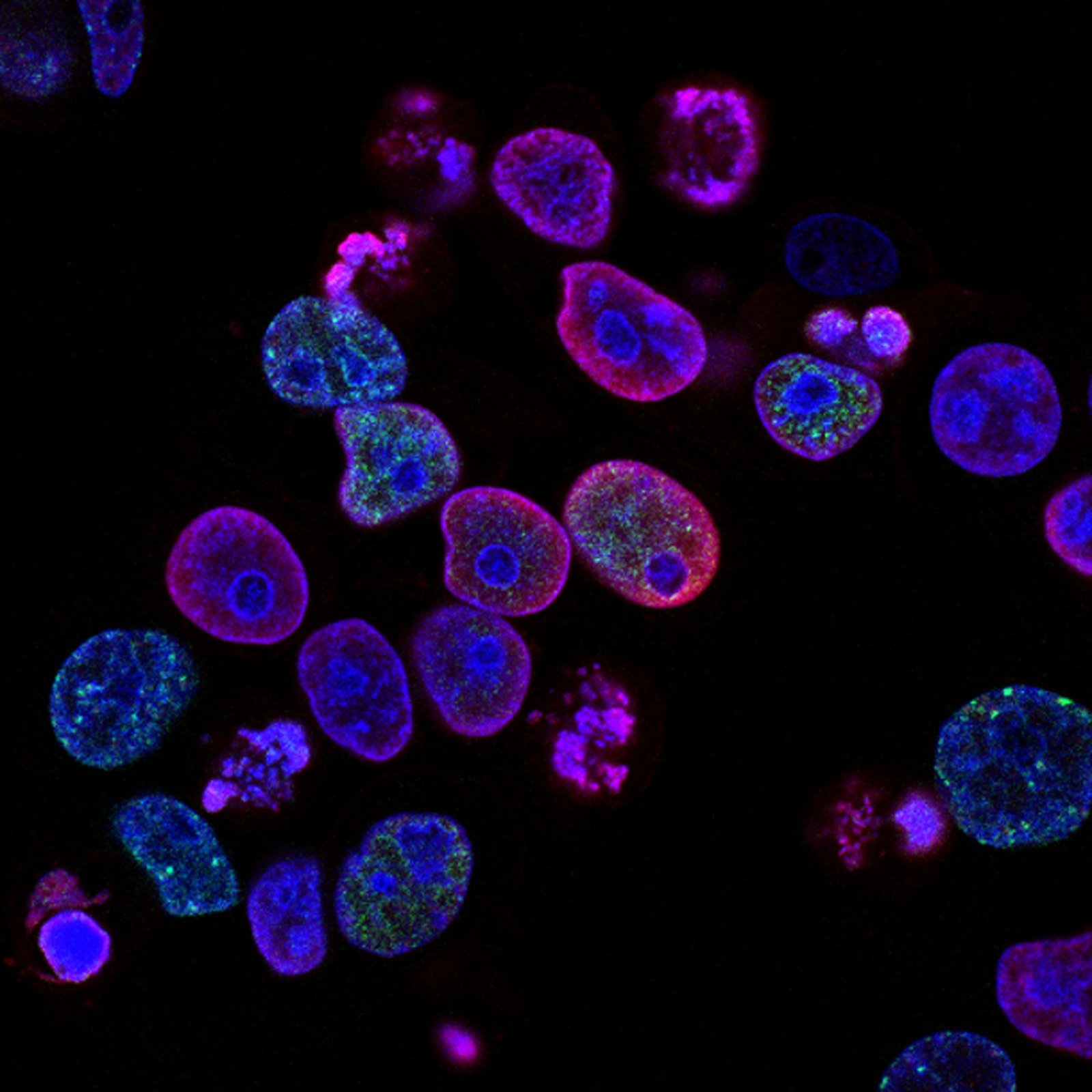
Personalis specialises in what oncologists call minimal residual disease, or MRD. Its tests start by sequencing a patient’s tumour, then use that genetic fingerprint to hunt for fragments of circulating tumour DNA in ordinary blood draws. Find the fragments, and you know the cancer is still there, or coming back, months before imaging would show it. Lose the signal, and a physician gains real evidence that a treatment is working.
That capability changes the rhythm of cancer care. Instead of waiting for a quarterly scan, patients can be monitored continuously through blood tests, and treatment can be adjusted when the molecular signal moves rather than when a tumour grows large enough to measure. Analysts put the potential market for MRD testing at around $20 billion, which explains why a company trading at a modest premium attracted a ten-figure offer.
From partners to one company
The two firms are not strangers. Tempus began offering Personalis’s tumour-informed MRD testing to pharmaceutical and biotechnology customers in 2023, and the acquisition converts that partnership into ownership. Lefkofsky’s case for the deal is that Personalis’s detection technology becomes more valuable when it is wired directly into Tempus’s AI and data platform, where results can inform treatment matching rather than sitting in a standalone lab report.
Personalis arrives with momentum. The company reported preliminary second-quarter revenue of $22.4 million and delivered 10,384 clinical tests, a 33 percent jump from the previous quarter. Those are small numbers next to Tempus’s business, but they are moving quickly in a market that barely existed a decade ago.
A lukewarm first verdict
Investors were not immediately convinced. Tempus shares slid after the announcement, the familiar arithmetic of an all-stock deal in which existing shareholders absorb the dilution while the strategic payoff sits years away. The transaction is expected to close in late 2026 or early 2027, and it still needs shareholder and regulatory approval before anyone gets to find out whether the thesis holds.
The scepticism is not unreasonable. MRD testing is a crowded, competitive corner of diagnostics, reimbursement for novel tests moves slowly, and integrating a sequencing business into a data company is harder than a press release makes it sound. Tempus is betting that owning the full loop, from blood draw to AI-guided treatment recommendation, is worth the near-term pain. Shareholders now get months to decide whether they agree.
A crowded Monday for AI medicine
The deal landed on a day thick with AI healthcare news. Bristol Myers Squibb and NVIDIA announced plans to build an AI factory for drug discovery, and United States public health agencies confirmed they will pilot OpenAI and Anthropic tools for biosurveillance and clinical data retrieval starting in the autumn. The pattern across all three stories is the same: AI in medicine is moving from pilot projects to infrastructure, with money and regulators following close behind.
For cancer patients, the measure of Monday’s deal will be simpler than the deal terms. If pairing an AI platform with blood-based monitoring means a recurrence gets caught in month three instead of month nine, the acquisition will have justified itself in a way no share price can. That evidence will take years to accumulate. The clock started this week.
For more coverage of AI in health, visit Mylistingo.
The Netherlands, for internationals
One email a week: the week's news for internationals in the Netherlands, new practical guides and what changed in the cities. No spam, unsubscribe any time.