AI News
  • Home
  • AI & Tech
  • Machine Learning
  • Startups
  • Tools & Apps
  • Robotics
  • Future Tech
  • AI in Industry
    • AI in Sport ⚽
    • AI in Health
    • AI in Education
    • AI in Finance
    • AI in Business
    • AI in Law
    • AI in Climate
No Result
View All Result
SAVED POSTS
AI News
  • Home
  • AI & Tech
  • Machine Learning
  • Startups
  • Tools & Apps
  • Robotics
  • Future Tech
  • AI in Industry
    • AI in Sport ⚽
    • AI in Health
    • AI in Education
    • AI in Finance
    • AI in Business
    • AI in Law
    • AI in Climate
No Result
View All Result
AI News
No Result
View All Result

Amazon Triples Its Nvidia Chip Order on AI Demand

Ramo by Ramo
27 August 2026
in AI & Tech
418 4
0
Amazon just tripled its order of Nvidia chips over ‘surging demand’
585
SHARES
3.2k
VIEWS
Summarize with ChatGPTShare to Facebook

Two million graphics chips is not an order. It is a bet on the shape of the next two years.

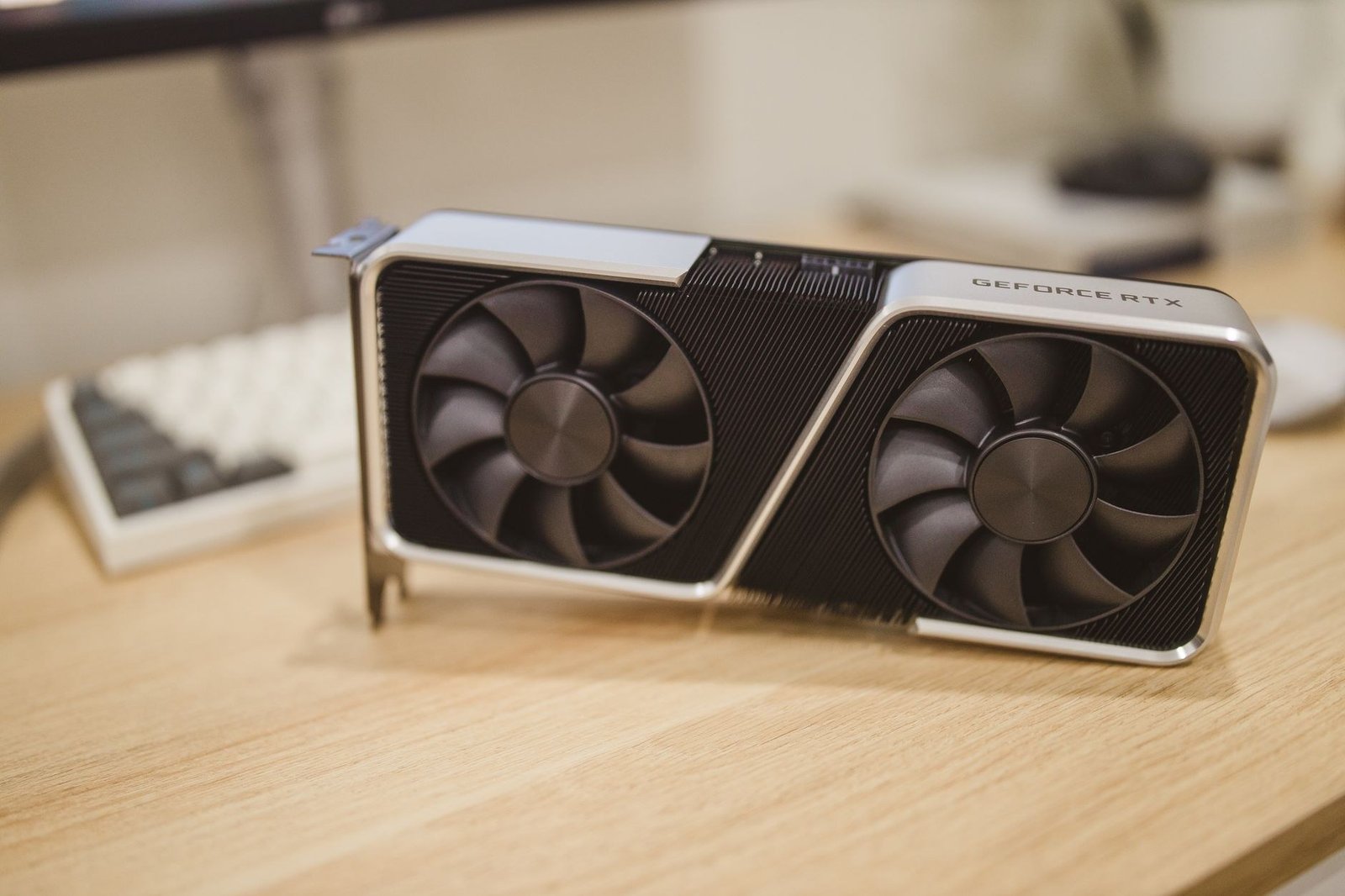
Amazon has tripled its purchase of Nvidia GPUs, committing to add another 2 million of the chips to its data centers over the next two years, according to a TechCrunch report published August 26. The company pointed to what it called surging demand as the reason. That phrase does a lot of quiet work. Behind it sits every startup training a model, every enterprise wiring generative AI into its products, and every customer of Amazon Web Services now asking for compute the way they once asked for storage.

Why Amazon needed three times as many

Tripling an order is not the same as topping one up. It signals that Amazon looked at its own forecasts, decided they were too conservative, and reset the baseline. Companies do not commit to millions of the most expensive chips in the industry on a hunch. They do it because the pipeline of paying customers is already there and the existing hardware cannot keep up.

📖
RECOMMENDED READ
The Coming Wave: AI, Power, and the Greatest Dilemma of Our Age
Mustafa Suleyman
The definitive book on where AI is heading - written by one of the field founders.
View on Amazon →affiliate link

That is the story hiding inside a dry supply figure. AWS is the largest cloud provider in the world, and its customers increasingly want to run and train AI models on rented infrastructure rather than build their own. Nvidia’s GPUs remain the default hardware for that work. When the people renting the picks and shovels can’t dig fast enough, the mine owner orders more picks. Amazon just ordered a lot more.

There is a competitive edge to the timing, too. Microsoft and Google are pouring similar sums into their own AI data centers, and capacity has become the field on which the cloud giants now compete. A customer who cannot get GPUs from one provider will look to another. By locking in 2 million more chips, Amazon is buying insurance against losing that customer, and against the awkward position of turning demand away.

Beyond the chips

The more interesting detail is that this deal reaches past the hardware. TechCrunch framed the expanded relationship as stretching beyond simply buying more silicon, which points to a deeper entanglement between the two companies than a standard purchase order would suggest.

That matters because Amazon has spent years trying to reduce its dependence on Nvidia. It designed its own AI chips, Trainium and Inferentia, precisely so it would not have to route every dollar of AI spending through a single supplier. Tripling the Nvidia order while deepening the partnership tells you something about where the market actually is. For the models customers want to run right now, Nvidia’s hardware and software ecosystem is still the thing they ask for by name. Homegrown silicon is a long game. The demand is immediate.

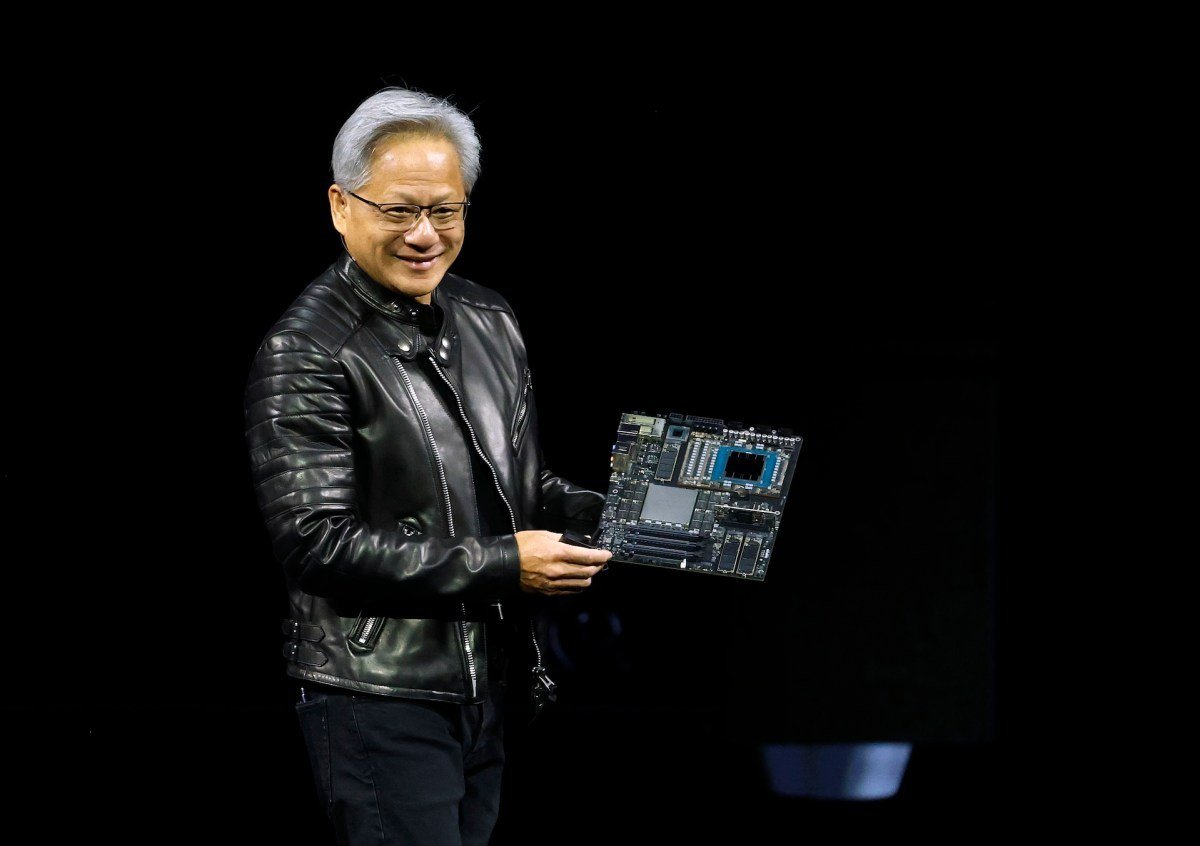
Nvidia gets something valuable in return. A commitment of this size from the biggest cloud provider anchors its revenue for two years and reinforces the position it already holds. Every major AI buildout still runs through Jensen Huang’s company. Amazon’s decision does not challenge that. It confirms it.

What a number this big actually means

Step back and the figure reads less like a procurement story and more like a temperature check on the whole industry. Two million additional GPUs, on top of what Amazon already runs, is the kind of commitment you make when you believe demand is not a spike but a floor. Nobody triples an order at these prices if they think the AI boom is about to cool.

It also raises the stakes on questions the industry has been circling for a while. Chips of this scale draw enormous amounts of power, and data center electricity demand has become a real constraint on how fast any of this can grow. More silicon means more racks, more cooling, and more pressure on grids that were not built for it. Amazon’s order is a vote of confidence, but it is also a bill that lands somewhere.

Then there is the concentration risk. When one company supplies the chips for nearly every serious AI effort, and a handful of clouds buy most of them, the entire field starts to rest on a very small number of decisions made in a very small number of boardrooms. A deal like this makes that concentration more visible, not less.

Watch what Amazon says about its own Trainium chips over the next year. If the Nvidia relationship keeps deepening while the in-house program stays quiet, that tells you the balance of power in AI hardware has not shifted, whatever the cloud providers say about independence. Two million chips buys a lot of compute. It also buys two more years of a question Amazon has not yet answered.

For more coverage of AI infrastructure and the companies building it, visit Mylistingo.

Source: Original Article

SummarizeShare234
Ramo

Ramo

Ramo is the editorial voice of Mylistingo — an AI and technology news platform based in The Hague, Netherlands. Covering artificial intelligence, machine learning, robotics, and the future of technology, Ramo delivers accurate, accessible reporting for both general audiences and industry professionals. Every article is fact-checked and written to meet Mylistingo's strict no-fabrication editorial standards.

Related Stories

Radar makes podcasts searchable — and usable by AI agents

Radar Makes 130,000 Podcasts Searchable for AI Agents

by Ramo
26 August 2026
0

Podcasts have always been a black hole for search. You can Google a blog post from 2011, but the sharpest thing a founder said on a two-hour show...

Amjad Masad, CEO and co-founder of Replit, joins the Disrupt Stage at TechCrunch Disrupt 2026

Replit’s Amjad Masad to Speak at TechCrunch Disrupt 2026

by Ramo
24 August 2026
0

A Replit founder takes the Disrupt stage Amjad Masad is coming to San Francisco with an argument about what programming becomes next, and TechCrunch is handing him the...

Inherent, founded by DeepMind alumni, says its AI ‘teammate’ just outperformed Anthropic and OpenAI at replicating research

Inherent’s Faraday AI Beats Anthropic, OpenAI at Research

by Ramo
22 August 2026
0

Reproducing a scientific result is supposed to be the boring part of science. It is also where a lot of science quietly falls apart. Take a published paper,...

Nvidia just showed that the harness, not the AI model, is now the real hero

Nvidia: The AI Harness Now Matters More Than the Model

by Ramo
21 August 2026
0

For three years the AI industry has run on a single assumption: the model is the product. Bigger models, smarter agents, better answers. Buy the best brain and...

Recommended

White humanoid service robot with large eyes

Unitree IPO Prices Humanoids Before They Work

13 August 2026

Where to Eat in The Hague — 15 Best Restaurants in 2026

15 July 2026

Popular Story

  • ml_feat_56193023

    ASML’s Next-Gen High-NA EUV Machines Drive Eindhoven Expansion, Creating 20,000 New Jobs

    590 shares
    Share 236 Tweet 148
  • Best Cafes and Coffee Shops in The Hague 2026: A Digital Nomad’s Guide

    589 shares
    Share 236 Tweet 147
  • PixVerse closes $439m series C extension at $2b valuation

    589 shares
    Share 236 Tweet 147
  • Is Your Home Truly Safe The Smart Security Tech You Need in 2025

    588 shares
    Share 235 Tweet 147
  • The Rise of Neuromorphic Computing: How Brain-Inspired Chips Are Transforming AI in 2026

    588 shares
    Share 235 Tweet 147
Advertise Here
Your Ad Could Be Here

This premium 300×250 spot is available. Reach our AI & tech audience with your product or service.

Book This Space →
logo ainews

We bring you the best Premium WordPress Themes that perfect for news, magazine, personal blog, etc. Check our landing page for details.

Recent Posts

  • Amazon Triples Its Nvidia Chip Order on AI Demand
  • Google Gemini’s Branding Problem Is Everyone’s Problem
  • Radar Makes 130,000 Podcasts Searchable for AI Agents

Categories

  • AI & Tech
  • AI in Business
  • AI in Climate
  • AI in Education
  • AI in Finance
  • AI in Health
  • AI in Law
  • AI in Sport
  • Economy & Finance
  • Future Tech
  • Machine Learning
  • Politics & Geopolitics
  • Robotics
  • Social Topics
  • Sport
  • Startups
  • The Hague
  • Tools & Apps
  • Uncategorized

Weekly Newsletter

  • Home
  • Advertise
  • Latest News
  • Contact Us
  • Data Deletion Instructions
  • Editorial Policy

Welcome Back!

Login to your account below

Forgotten Password?

Retrieve your password

Please enter your username or email address to reset your password.

Log In
No Result
View All Result
  • Home
  • AI & Tech
  • Machine Learning
  • Startups
  • Tools & Apps
  • Robotics
  • Future Tech
  • AI in Industry
    • AI in Sport ⚽
    • AI in Health
    • AI in Education
    • AI in Finance
    • AI in Business
    • AI in Law
    • AI in Climate