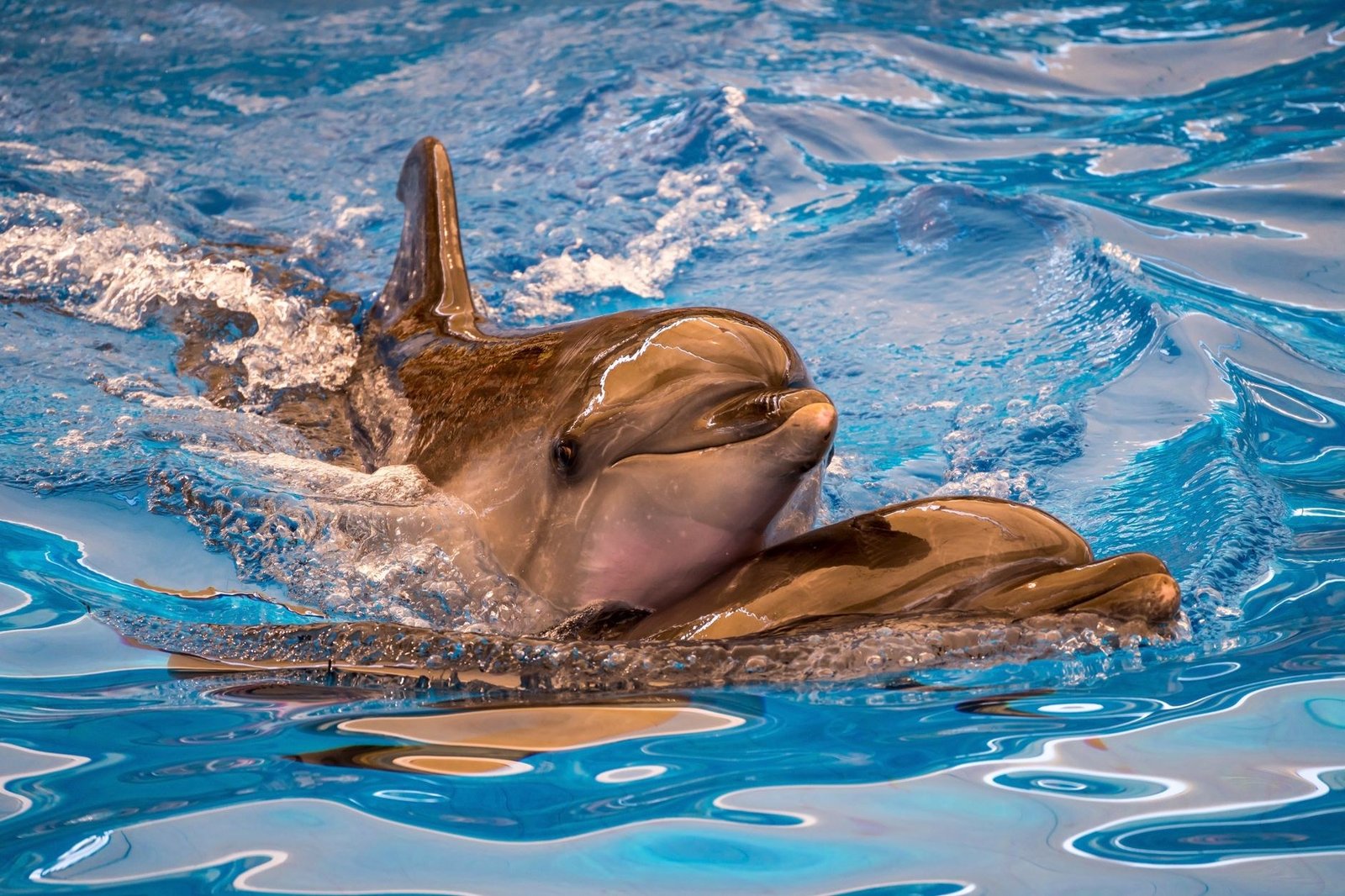
The Dutch cabinet has told parliament that it no longer considers keeping dolphins in pools, as the Dolfinarium in Harderwijk does, to be sustainable, and it wants the practice phased out over time. NOS reports that the park will not be closed for now, but a formal breeding ban will follow in two years and only limited imports of dolphins will be allowed.
What happened
The announcement came in a letter to the Tweede Kamer, the lower house of the Dutch parliament, from State Secretary Erkens of the Ministry of Agriculture, Fisheries, Food Security and Nature. According to NOS, the letter sets out a policy that Erkens describes as “phasing out the keeping of dolphins in captivity”.
The cabinet has decided against an immediate ban. Erkens says it is not desirable because the Dolfinarium would then have to put down its 22 bottlenose dolphins, which would not survive in the wild. He says that is not an option. In the longer term, though, he wants the practice to end.
Erkens explained the cabinet’s reasoning in the letter, as quoted by NOS: “Dolphins are intelligent animals that need constant challenge and have a natural need to dive deep and swim long distances. That cannot be provided in captivity. Living in chlorinated pools can also cause health problems.”
NOS sets out three parts to the policy:
- No new births: no new dolphins may be born in the Netherlands. A formal breeding ban will take effect in two years.
- Limited imports: dolphins from outside the Netherlands may still be brought in, but this must not lead to “a population that permanently renews itself”.
- A long-term end point: the final aim is that, at some point, no dolphins are kept in captivity in the Netherlands.
Erkens says the policy is not aimed at the Dolfinarium itself. He links it to the wider public debate in the Netherlands about dolphins that have to live in pools.
The Dolfinarium disagrees with the cabinet’s decision and wants to discuss it with Erkens. In a statement reported by NOS, the park said: “In practice it means keeping males and females apart or giving animals long-term contraception. That can affect their social life and natural behaviour, and long-term contraception can carry health risks.”
Why it matters if you live in Netherlands
For residents and visitors, the most immediate point is that nothing changes overnight. NOS reports that there is no decision to close the Dolfinarium for now, and the 22 bottlenose dolphins already living there will stay. If you have been planning a trip to Harderwijk, the source gives no indication that the park’s current operations will be affected straight away.
The bigger change concerns the future. With a formal breeding ban due in two years and limits on imports designed to stop the group renewing itself, the number of dolphins in Dutch captivity is set to decline over time. The government’s stated goal is that eventually there will be none. For families who treat the park as a regular day out, this points to a gradual wind-down of dolphin keeping in the Netherlands, not a sudden closure.
The decision also shows how animal welfare questions are handled in Dutch politics. The policy came from a state secretary’s letter to parliament, which is a common way for the Dutch government to announce its position and invite debate in the Tweede Kamer. Erkens has said the move responds to the public discussion about keeping dolphins in pools. If you can vote in Dutch elections, or simply follow Dutch politics, this is the kind of issue on which parties can take different positions and parliament can push the government further or hold it back.
The disagreement between the cabinet and the park is also worth understanding. Both sides refer to animal welfare. The government argues that captivity cannot meet dolphins’ natural needs and that chlorinated pools can harm their health. The Dolfinarium argues that enforcing a breeding ban through separating the sexes or long-term contraception could itself damage the animals’ social life, behaviour and health.
What to watch next
The first thing to follow is the conversation between the Dolfinarium and Erkens. The park has said it wants talks, and the outcome may shape how the policy is carried out in practice, particularly how a breeding ban would work with the animals now living in Harderwijk.
The second is the timetable. NOS reports that the formal breeding ban will come in two years. The details of how it is written into rules, and how limited imports will be defined so that the population does not keep renewing itself, will determine how quickly the number of captive dolphins falls.
The third is parliament. The letter has gone to the Tweede Kamer, where MPs can debate the cabinet’s approach. Some may argue it goes too far and others that it does not go far enough, given that the cabinet itself says keeping dolphins in pools is not sustainable while ruling out a closure for now.
Finally, watch whether the government sets a firmer end date. The stated goal is that at some point no dolphins will be kept in captivity in the Netherlands, but NOS does not report a specific deadline for reaching it.
Source: NOS Politiek
Sources
- NOS Politiek: Dolfinarium moet toewerken naar einde dolfijnen in gevangenschap, accessed 15 October 2026
The Netherlands, for internationals
One email a week: the week's news for internationals in the Netherlands, new practical guides and what changed in the cities. No spam, unsubscribe any time.