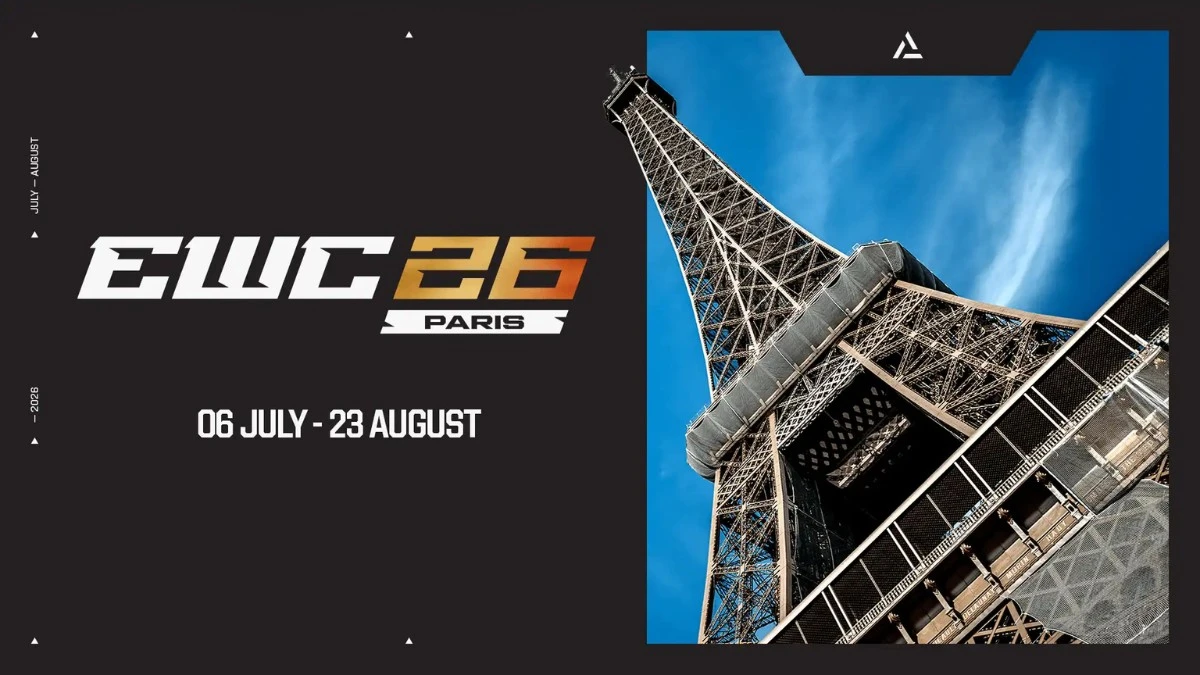
In 2026, competitive gaming has definitively shed its niche subculture status to become one of the fastest-growing sectors in global entertainment. With prize pools rivaling traditional professional sports, dedicated training facilities that mirror professional athletic programs, and viewership numbers that surpass many established athletic leagues, esports has firmly established itself as a legitimate form of competitive sport. This article explores how esports evolved into a mainstream athletic phenomenon and what lies ahead for the industry.

The Rise of Professional Infrastructure and Investment
The transformation of esports from grassroots LAN parties to billion-dollar industry has been nothing short of remarkable. By mid-2026, the global esports market exceeds $5 billion in annual revenue, driven by sponsorships, media rights, merchandise sales, and ticket revenue from live events. Major traditional sports franchises — including teams from the NBA, NFL, and English Premier League — have either acquired existing esports organizations or launched their own competitive gaming divisions.
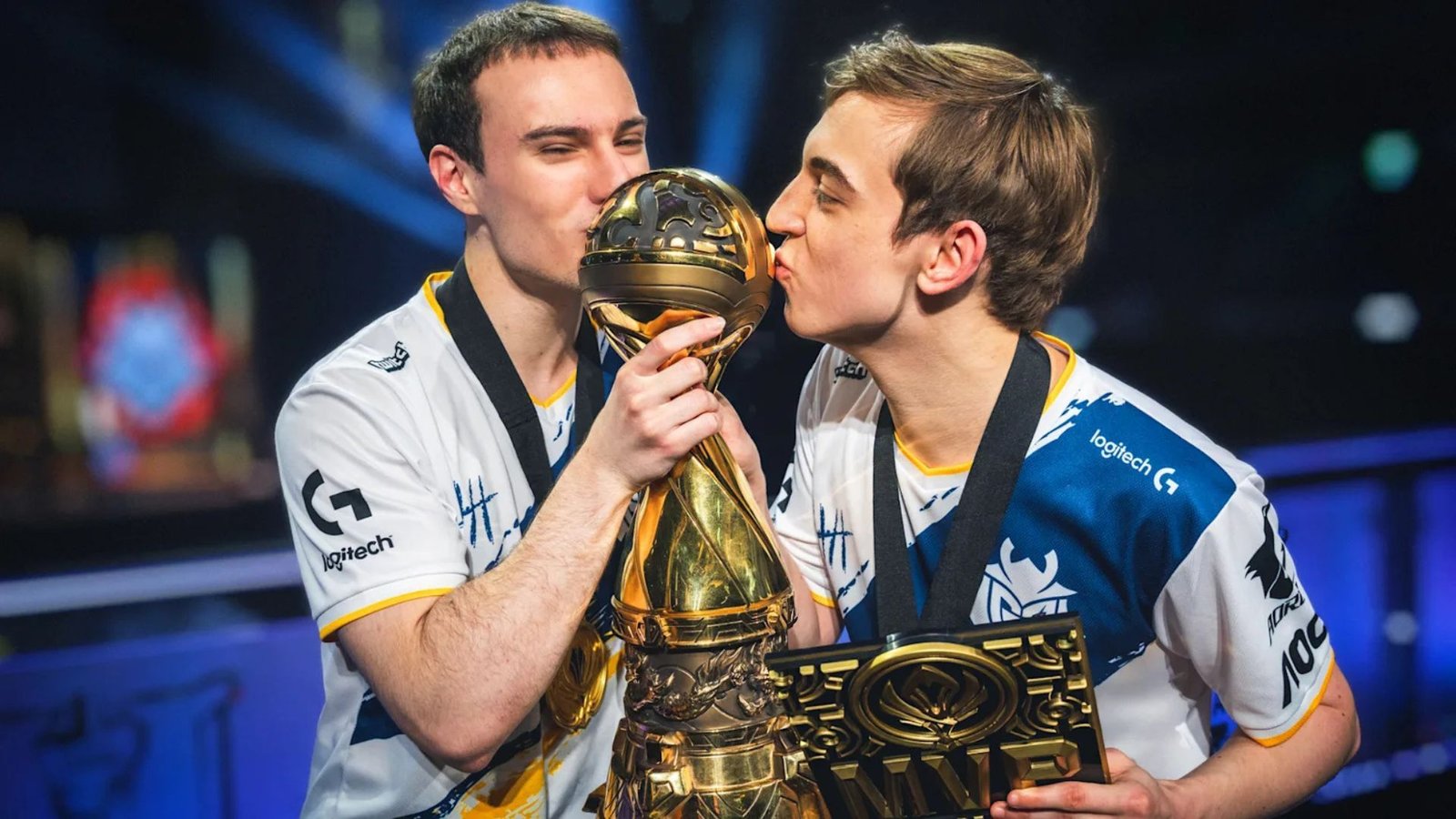
What sets 2026 apart from previous years is the sophistication of the infrastructure supporting professional players. Dedicated training facilities, once the domain of elite traditional athletes, are now standard across top esports organizations. These facilities include high-performance gaming stations, physical fitness centers, nutrition programs, and sports psychology services. Teams like T1, Cloud9, and G2 Esports have invested millions in purpose-built campuses that rival the training grounds of professional football and basketball clubs.
The financial implications extend beyond team operations. Tournament organizers have secured long-term broadcast deals with traditional media networks in addition to streaming platforms. The League of Legends World Championship, the Counter-Strike Major Championships, and The International for Dota 2 now command broadcast rights fees that approach those of mid-tier traditional sports properties. Media companies recognize that the 18-34 demographic, increasingly elusive for traditional sports broadcasts, is deeply engaged with competitive gaming content.
Institutional Recognition and the Olympic Connection
Perhaps the most significant milestone for esports in 2026 has been its growing recognition by traditional sports governing bodies. The International Olympic Committee, following years of study and pilot programs, has formally included esports as a demonstration event at the Los Angeles 2028 Olympics. This decision, announced in early 2026, represents the culmination of a decade-long campaign by the esports community for Olympic recognition.
The path to Olympic inclusion was not straightforward. The IOC’s criteria required esports to demonstrate robust anti-doping programs, transparent governance structures, and competitive integrity mechanisms. Organizations like the Esports Integrity Commission have risen to meet these challenges, implementing comprehensive anti-cheating technologies, age verification systems, and player welfare standards that address concerns about competitive fairness and participant protection.
National Olympic committees in over 40 countries have established esports divisions, recognizing competitive gaming as a pathway to developing skills in strategy, hand-eye coordination, and teamwork. South Korea, long considered the birthplace of professional gaming culture, continues to lead in this area, with government-funded training programs and military service exemptions for elite esports athletes similar to those granted to traditional athletes who win Olympic medals.
Diversification of Competitive Gaming Genres
The competitive gaming landscape in 2026 has diversified far beyond the titles that defined the industry’s early years. While multiplayer online battle arena games like League of Legends and Dota 2 remain central to the esports ecosystem, new genres have emerged as major competitive disciplines. First-person shooters continue to thrive through titles like Valorant and Counter-Strike 2, but battle royale games, fighting games, and even simulation-based competitions have grown their professional circuits significantly.
One of the most interesting developments has been the rise of simulation esports, particularly in motorsport and traditional sports simulations. The F1 Sim Racing World Championship now features drivers who compete alongside real-world Formula 1 drivers in hybrid events. Similarly, NBA 2K League and FIFAe World Cup have established themselves as legitimate competitive platforms, with participants coming through collegiate programs and development leagues.
Mobile esports have experienced explosive growth, particularly in Asian and developing markets. Games like PUBG Mobile, Mobile Legends, and Free Fire have built massive competitive ecosystems in regions where smartphone penetration outpaces PC and console access. The 2025 Asian Esports Games, held in Hangzhou, China, featured mobile games as medal events for the first time, signaling the platform’s growing legitimacy in organized competition.
The Economics of Player Careers and Labor Rights
As esports has matured, the economic realities for professional players have evolved significantly. Minimum salary requirements, implemented by major leagues, ensure that even rookie players earn a livable wage. Player associations, modeled on traditional sports unions, now represent competitors in contract negotiations, revenue sharing discussions, and disputes with team organizations. The establishment of standardized player contracts has reduced the exploitation that characterized the industry’s early years.
Career longevity, a persistent concern in esports, has been addressed through improved player welfare programs, structured training regimens, and post-career transition support. Organizations now employ dedicated wellness staff who monitor physical health (addressing the repetitive strain injuries common among gamers) and mental health (addressing burnout and performance anxiety). Several universities have launched esports management and coaching degree programs, creating professional pathways beyond competitive play.
For fans who want to follow the latest competitive developments, our coverage of the 2026 FIFA World Cup qualifiers demonstrates how traditional sports and competitive gaming are increasingly converging in their approach to athlete development and fan engagement.
The Future of Competitive Gaming
Looking ahead, the trajectory of esports suggests continued integration with traditional sports, entertainment, and education. Virtual reality and augmented reality technologies promise to create new competitive formats that blend physical and digital elements. The emergence of artificial intelligence coaches and training assistants is already changing how players prepare for competition, while blockchain-based fan engagement platforms are creating new models for team ownership and community participation.
The most profound change may be cultural. As the generation that grew up watching esports on Twitch and YouTube enters positions of influence in media, business, and government, the distinction between traditional sports and competitive gaming continues to blur. The esports athlete of 2026 trains like a traditional athlete, competes in sold-out arenas, commands six-figure salaries, and draws millions of viewers. The industry’s journey from the basement LAN party to the Olympic stage is a testament to the universal human drive for competition, excellence, and community — whether expressed through a ball, a racquet, or a keyboard and mouse.
The Netherlands, for internationals
One email a week: the week's news for internationals in the Netherlands, new practical guides and what changed in the cities. No spam, unsubscribe any time.