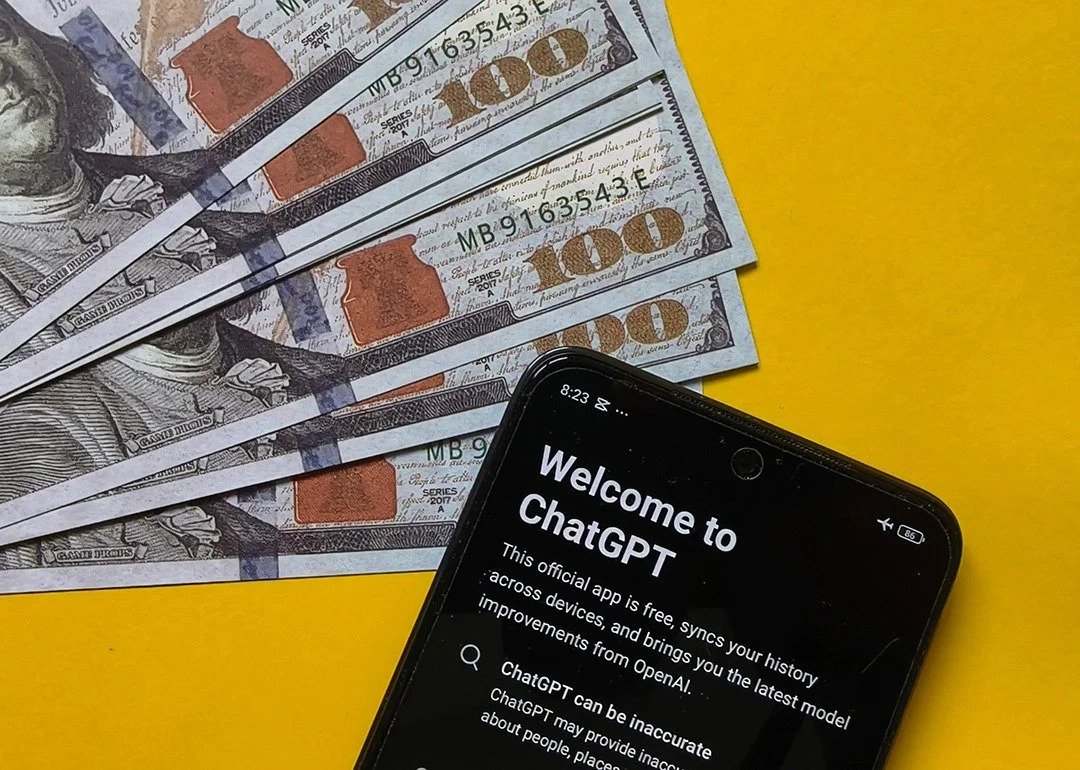
The Rise of Fin-AI: Why Americans Are Trusting Generative AI with Their Wallets
A quiet revolution is unfolding in American personal finance, and it’s powered by generative artificial intelligence. According to recent findings, a growing number of Americans are turning to AI-powered tools to manage their money, from budgeting and investment advice to tax planning and debt management. The trend, dubbed “fin-AI,” marks one of the most significant shifts in consumer finance behavior since the rise of mobile banking.
What makes this development particularly striking is the level of trust involved. Money is deeply personal, and financial decisions carry real consequences. That millions of Americans are now comfortable delegating aspects of their financial lives to AI chatbots and automated advisors speaks volumes about how quickly the technology has matured — and how much consumer expectations have shifted.
What Fin-AI Actually Does
The current generation of fin-AI tools goes far beyond the robo-advisors of the 2020s, which primarily offered automated portfolio rebalancing based on simple risk questionnaires. Today’s AI financial assistants can analyze spending patterns across multiple accounts, predict cash flow shortages before they happen, compare insurance policies by reading the fine print, and even negotiate bills on a user’s behalf.
Some platforms have integrated directly with ChatGPT or similar large language models to offer conversational financial guidance. Users can ask questions like “Can I afford a $400,000 mortgage given my current spending?” and receive detailed, personalized analyses within seconds — a level of service that would typically require a paid session with a financial advisor.
The Trust Factor
The willingness to share sensitive financial data with AI systems didn’t happen overnight. Several factors have contributed to the trust shift. First, years of using AI tools for lower-stakes tasks — writing emails, planning trips, summarizing documents — has built a baseline comfort level with the technology. Second, younger generations who grew up with digital-first financial services are far more likely to trust algorithm-driven recommendations than their parents were.
Perhaps most importantly, the fin-AI tools themselves have gotten demonstrably better. Hallucination rates on financial queries have dropped sharply as models are fine-tuned on domain-specific data, and many platforms now include human-in-the-loop oversight for high-stakes recommendations.
Risks and Regulation
The rise of fin-AI has not gone unnoticed by regulators. The Consumer Financial Protection Bureau (CFPB) has signaled that AI-powered financial advice falls within its regulatory purview, and several high-profile cases of AI-driven investment errors have prompted calls for clearer disclosure requirements. Privacy advocates have also raised concerns about the concentration of financial behavioral data in the hands of a few large tech companies.
Despite these concerns, the trajectory appears clear. Just as online banking went from novelty to necessity in a single decade, AI-powered financial management seems poised to become a standard feature of American financial life. The question is no longer whether consumers will trust AI with their money, but how deeply that trust will extend — and what safeguards will be put in place to protect it.
The Netherlands, for internationals
One email a week: the week's news for internationals in the Netherlands, new practical guides and what changed in the cities. No spam, unsubscribe any time.