The New Scramble for Resources: Why Critical Minerals Define 21st Century Geopolitics
In the summer of 2026, a quiet but consequential struggle is reshaping the global order. It is not fought with conventional weapons on traditional battlefields, but through supply chains, export controls, and strategic investments in mines spanning from the Democratic Republic of Congo to the salt flats of Bolivia. This is the geopolitics of critical minerals — the lithium, cobalt, rare earth elements, and other specialized materials that power everything from electric vehicle batteries to fighter jet guidance systems. As the world transitions toward clean energy and advanced technologies, control over these minerals has become the defining strategic imperative of our era, rivaling — and in some ways surpassing — the oil politics that dominated the twentieth century.
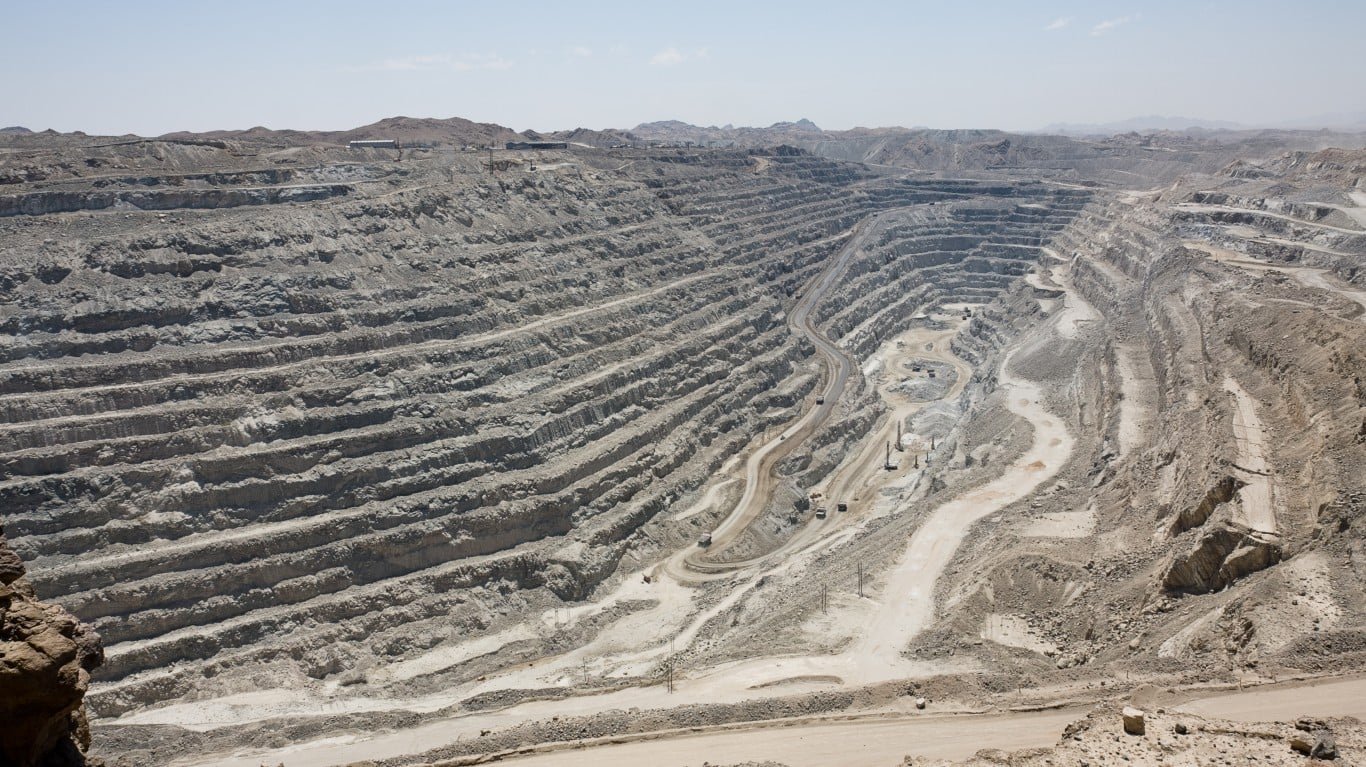
The numbers are staggering. Demand for lithium is projected to increase by over 400 percent by 2030, driven by the global electric vehicle revolution. Cobalt demand could rise by 300 percent over the same period. Rare earth elements, essential for permanent magnets used in wind turbines, medical imaging equipment, and precision-guided munitions, face similar supply constraints. Yet the geographic distribution of these resources is remarkably concentrated: China controls roughly 60 percent of global rare earth mining and an even larger share of processing capacity. The Democratic Republic of Congo accounts for over 70 percent of global cobalt production. Australia, Chile, and Argentina dominate lithium extraction. This concentration creates profound vulnerabilities and strategic dependencies that no major power can afford to ignore.
China’s Strategic Dominance and the Western Response
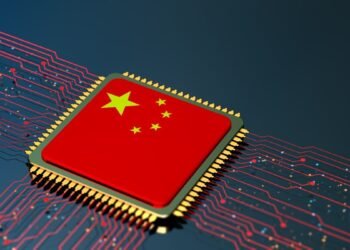
China’s position in the critical minerals supply chain is the result of decades of deliberate strategic planning. Beginning in the 1990s, Beijing identified rare earth elements and other strategic minerals as foundational to its economic and military modernization. Through a combination of state-directed investment, export restrictions, and aggressive acquisition of overseas mining assets, China built an integrated supply chain that remains unmatched. By 2026, Chinese companies control not only mining operations but also the processing facilities that transform raw ore into the refined materials needed by manufacturers. This vertical integration gives Beijing extraordinary leverage — leverage it has not hesitated to use.
China’s 2023 export controls on gallium and germanium, followed by restrictions on rare earth processing technologies, sent shockwaves through global supply chains. These actions demonstrated that Beijing is willing to weaponize its mineral dominance in pursuit of geopolitical objectives, whether retaliating against technology restrictions imposed by the United States or exerting pressure on nations that challenge its interests. The message was unmistakable: in an era of strategic competition, access to critical minerals is a currency of power. The response from Western capitals has been slow but increasingly urgent. The United States enacted the Critical Minerals Security Act in 2025, authorizing billions in funding for domestic mining, processing, and recycling capabilities. The European Union launched its Critical Raw Materials Act, setting targets for domestic extraction and processing capacity. Yet these initiatives face daunting obstacles: permitting processes that can take a decade or more, environmental opposition, and the simple reality that building processing infrastructure takes years and billions of dollars.
The Lithium Triangle: South America at the Center of the Energy Transition
Nowhere are the complexities of critical mineral geopolitics more visible than in South America’s “Lithium Triangle,” spanning portions of Argentina, Bolivia, and Chile. This region contains over 50 percent of the world’s known lithium reserves, making it ground zero for the global energy transition. The rush to secure lithium supplies has drawn a diverse array of actors: Western mining companies, Chinese state-owned enterprises, Korean battery manufacturers, and even sovereign wealth funds from the Middle East. Each brings different expectations, operating models, and relationships with host governments.
Bolivia’s vast Salar de Uyuni salt flats, containing the world’s largest lithium reserves, have become a symbol of both opportunity and controversy. After years of state-controlled development that achieved little, Bolivia has opened its lithium sector to international partners in 2025-2026, striking deals with Chinese, Russian, and American companies. The competition for access has intensified, with each offer carrying different geopolitical implications. Argentina has emerged as the most investment-friendly jurisdiction, attracting over $10 billion in lithium development commitments since 2024. But concerns about water consumption, indigenous rights, and environmental impact have sparked local opposition that threatens to slow development. The Lithium Triangle illustrates a central tension of the energy transition: the minerals needed to combat climate change are often located in environmentally sensitive areas and communities with legitimate concerns about how extraction will affect their livelihoods. The role of critical minerals in reshaping global finance and economic strategy parallels how geopolitical competition over resources influences international relations.
The Deep Sea and the Final Frontier: Emerging Sources of Strategic Minerals
As land-based reserves face depletion and political complications, attention has turned to unconventional sources. Deep-sea mining, targeting polymetallic nodules rich in nickel, cobalt, copper, and manganese on the Pacific Ocean floor, has emerged as a contentious frontier. The International Seabed Authority has been under intense pressure to finalize mining regulations, with companies like The Metals Company and state-backed entities from China, India, and Korea preparing to begin commercial operations. Environmental groups warn that deep-sea mining could cause irreversible damage to poorly understood ecosystems, while proponents argue that the minerals are essential for the energy transition and that terrestrial mining carries its own environmental costs.
The Arctic represents another emerging theater of resource competition. Climate change is opening previously inaccessible regions to mineral exploration, with Greenland, Canada, and Norway all reporting significant rare earth and critical mineral deposits. Greenland’s rare earth deposits have attracted particular attention, with the United States, China, and European nations vying for access. The Trump administration’s controversial interest in purchasing Greenland in 2019 now seems prescient — control over Arctic mineral resources has become a central element of Great Power competition in the region. The militarization of these frontiers adds another dimension: as the quest for minerals expands into increasingly remote areas, navies and coast guards are being called upon to protect strategic supply lines and assert sovereignty over resource-rich waters.
The Recycling Revolution: Reducing Strategic Dependence
Amid the scramble for new sources, a quieter revolution is taking place in recycling and circular economy approaches. Urban mining — recovering critical minerals from electronic waste, spent batteries, and decommissioned military equipment — offers a pathway to reduce dependence on concentrated and geopolitically vulnerable supply chains. By 2026, battery recycling capacity in Europe and North America has expanded significantly, with several commercial-scale facilities now operational. The European Union’s new battery regulations mandate minimum recycled content requirements, creating a regulatory driver for recycling investment. Similarly, advances in magnet recycling technology are beginning to recover rare earth elements from hard drives, wind turbines, and electric motors — materials that were previously lost to landfills.
Yet recycling alone cannot solve the supply challenge. The sheer scale of demand growth means that primary mining will remain essential for decades. The most effective strategy for managing critical mineral geopolitics combines diversified mining sources, accelerated recycling capacity, diplomatic engagement with resource-rich nations, and sustained investment in material science research to develop substitutes for the most strategically vulnerable elements. The nations and companies that master this balance will be best positioned to navigate the resource-driven geopolitical landscape of the coming decades, where the quest for critical minerals will continue to shape alliance structures, drive technological innovation, and define the boundaries of strategic competition in an increasingly resource-constrained world.
The Netherlands, for internationals
One email a week: the week's news for internationals in the Netherlands, new practical guides and what changed in the cities. No spam, unsubscribe any time.