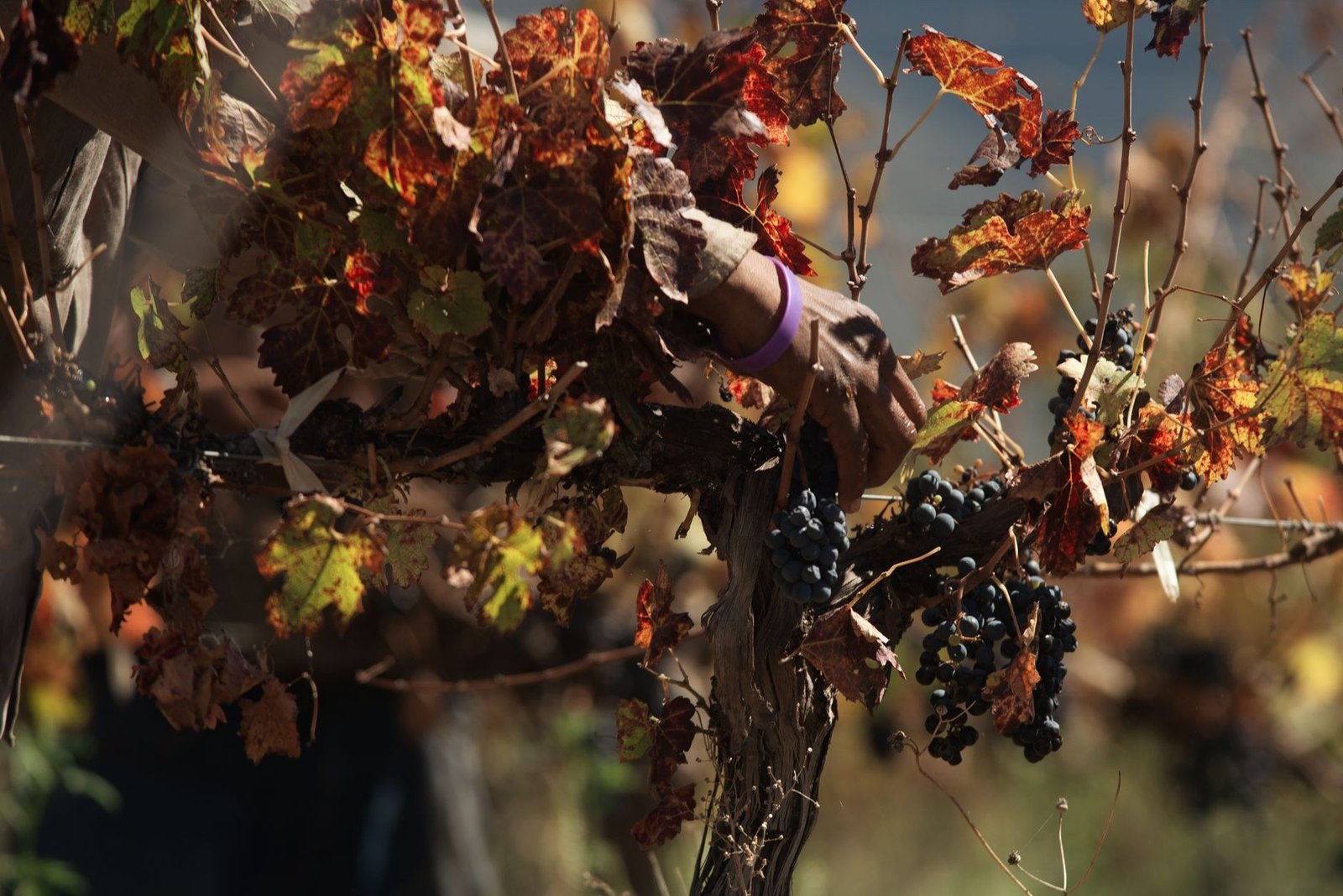
Germany’s wine harvest is expected to come in around 20% below the ten-year average this year, according to an initial forecast from the German Wine Institute reported by DW. The institute links the shortfall to drought, and says older vines with deep roots coped far better than younger plantings.
What happened
DW included the forecast in its daily round-up of news from and about Germany. The figures come from the Deutsches Weininstitut (DWI), the German Wine Institute, which is the wine industry’s central body for information and promotion. Its first estimate puts the national harvest about 20% below the ten-year average of 8.7 million hectolitres.
DW reports that this would mean a yield of roughly 7 million hectolitres. Recent harvests were already smaller than average: 7.7 million hectolitres in 2025 and 7.8 million in 2024. On the institute’s numbers, this year’s crop would be the smallest of the three.
The forecast is not final. DW notes that some wine-growing regions have not yet submitted their final estimates, so the national figure could still change.
The DWI also found big differences within individual regions. According to DW, yields depended mainly on two things: how old the vines were and how well the soil held water. Older vines, with deeper roots, came through this year’s drought surprisingly well, the institute said. Over recent years they have adapted to increasingly dry conditions.
Younger vineyards had a harder time. So did vines in soils that hold less water. DW reports that these suffered more visibly from water shortages and had to be irrigated where possible.
DW published the wine forecast alongside other economic news. The same round-up reported that the International Monetary Fund had raised its growth forecast for the German economy, and that the Federal Statistical Office (Statistisches Bundesamt, Germany’s national statistics agency) had confirmed annual inflation of 3.3% in September. DW did not connect either of those stories to the wine harvest.
Why it matters if you live in Germany
Wine is part of everyday life in much of Germany. It is made in several regions, sold directly from vineyards and celebrated at local festivals. A harvest about a fifth below the long-term average means there will be noticeably less German wine from this year’s grapes. That would continue a run of below-average harvests.
For anyone who buys German wine, the main point is that supply from this vintage will be smaller. DW’s report does not say whether this will affect prices in shops, restaurants or at vineyard sales, and the DWI forecast as reported does not cover prices. It is too early to say that bottles will cost more.
For context, the Statistisches Bundesamt figures in the same DW round-up showed food prices rising 0.4% in September compared with a year earlier. Eggs, fresh vegetables, fish and seafood became noticeably more expensive, while butter, fresh fruit and dairy products cost less. The office did not mention wine in the figures DW reported.
The findings also say something about how German winemaking is changing. The DWI’s account suggests that vineyard age and soil type now strongly affect how a winery copes with a dry year. Producers with established, deep-rooted vines were better protected. Those with young plantings or fast-draining soils relied more on irrigation where they could get it. If you visit wine regions or buy from small producers, this helps explain why some growers may report a normal year while others nearby report heavy losses.
DW also linked to its documentary “Will Non-alcoholic Wine Save the Winemakers?” next to the report. It is a reminder that the sector faces pressures beyond the weather, although the report itself does not draw that connection.
What to watch next
The most important next step is the final harvest estimate. DW reports that some wine-growing regions have not yet given their final figures, so the DWI’s roughly 7 million hectolitres is a starting point rather than a settled number. Look out for updated figures from the institute once all regions have reported.
Watch regional results too. The DWI stresses large differences within regions, depending on vine age and soil, so results from individual producers may vary much more than the national average suggests.
Finally, keep an eye on how growers respond to repeated dry years. The institute’s comments about irrigation and the resilience of older vines suggest that water management and vineyard planning will matter more. DW’s report does not say what measures growers or authorities are planning, so any changes will need to be confirmed as they are announced.
Source: DW
Sources
- DW: Germany news: Economy set for stronger growth, wine harvest hit by drought, accessed 13 October 2026
Germany, for internationals
One email a week: the week's news for internationals in Germany, new practical guides and what changed in the cities. No spam, unsubscribe any time.