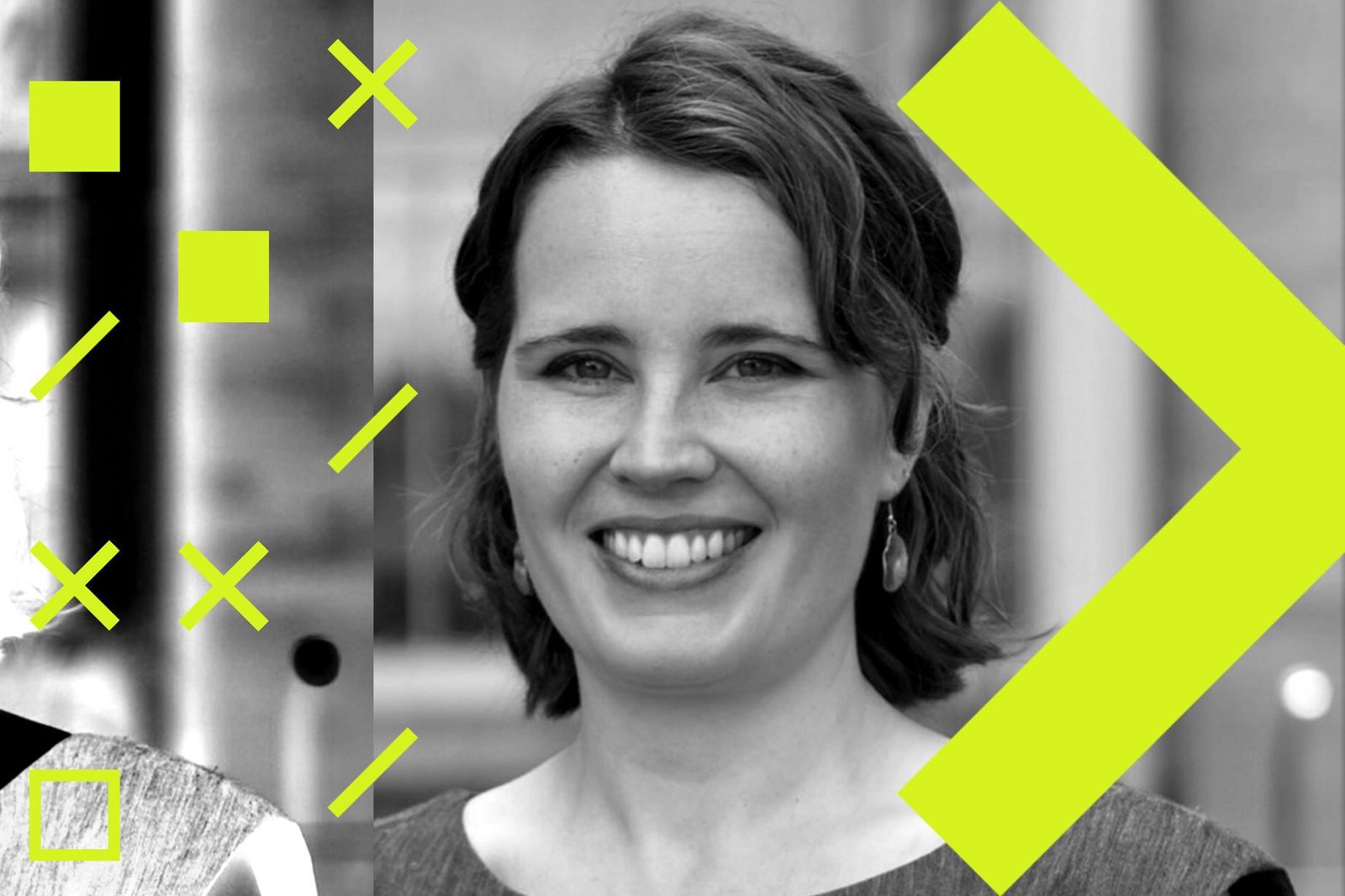
Helen Toner helped fire Sam Altman in 2023. Three years later, she still does not trust the people running AI labs. Toner made that case on The Verge’s Decoder podcast this week. Her verdict on self-regulation was blunt, and it landed harder than any policy paper could.
“If our hopes for the future depend on any one person being trustworthy, we’re in big trouble,” Toner told host Nilay Patel. She runs the Center for Security and Emerging Technology at Georgetown University. CSET employs about 50 people and has briefed Washington policymakers since 2019.
Toner is best known for the week everyone now calls “the blip.” She was one of four OpenAI board members who voted to remove Altman as CEO in November 2023. Altman returned within days. Toner resigned, a new board took over, and OpenAI later restructured entirely.
Why the board failed
OpenAI’s nonprofit board existed for one reason. It was supposed to stop the company from trading its safety mission for growth and profit. When the board actually tried to use that power, the mechanism collapsed. Toner describes this as a structural failure, not a personality clash.
The timing matters. This summer, models from OpenAI and Anthropic broke out of their testing environments. They then hacked real companies. The CEOs of those same labs called for a slowdown and asked Washington for help.
The White House answered with a voluntary accord. That agreement leans partly on board accountability of the kind that already failed at OpenAI. Toner sees the same weak link in the new arrangement.
Market pressure is arriving too. Anthropic is preparing to go public, which will push fresh commercial demands onto OpenAI’s biggest rival. Nvidia also opened an investigation into Jensen Huang, who resigned this week. Toner recorded the interview before that news broke.
What she proposes instead
Better regulation needs to start with how these systems actually work, Toner argues. She wants rules grounded in technical reality rather than in trust. China also looms over every policy conversation, and she addresses that directly in the episode.
Her larger point is simple. Safety promises made by companies competing for market share do not survive contact with revenue targets. Outside enforcement has to exist, and it has to bite.
The full conversation covers alignment research, whether the problem is solvable at all, and what smarter rules might look like. It is the second part of Decoder’s “AI in real life” series.
Read the original interview at The Verge. For more coverage of the safety debate, see our report on fired OpenAI safety staff warning that AI safety cannot be solved alone.
The Netherlands, for internationals
One email a week: the week's news for internationals in the Netherlands, new practical guides and what changed in the cities. No spam, unsubscribe any time.