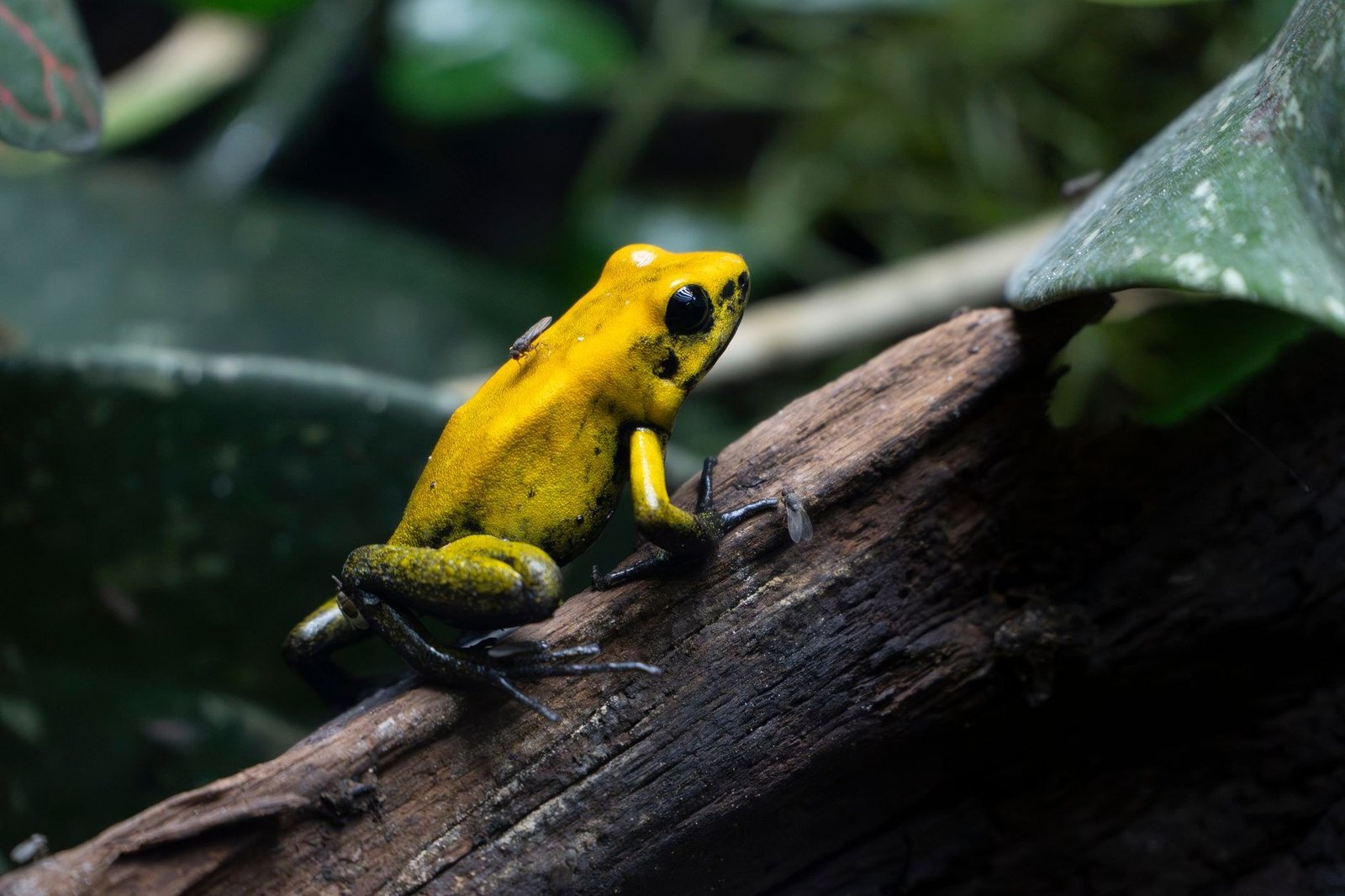
This guide is for families who have moved to Manchester from abroad and want a free, easy day out with their children. Adults visiting on their own will also find plenty here. It covers the live frogs in The Vivarium, Stan the T. rex, the best times to go, how to get there and what to check before you leave home.
- Planning a free visit
- The Vivarium: live frogs, toads and lizards
- Fossils and Dinosaurs: Stan, April and the asteroid
- Getting there without a parking fine
- Food, breaks and something for the adults
- FAQ
Planning a free visit
All galleries and exhibitions at Manchester Museum are free to enter, according to the museum’s plan your visit page. The one exception is the main temporary exhibition, which you have to book in advance. At the moment that exhibition is Human Natures. The page does not give a price for it, so check the museum’s own site for current booking details before you go.
The museum is closed on Mondays. It opens from 10am to 5pm on Tuesday, Thursday, Friday and Sunday, from 10am to 9pm on Wednesday, and from 8am to 5pm on Saturday. Last admission is 30 minutes before closing, so if you’re coming late in the afternoon, get there in good time.
Parents should know one thing about the early Saturday start. From 8am to 10am is Quiet Time, when only the Belonging Gallery, Archaeology, Egypt and Sudan, the Lee Kai Hung Chinese Culture Gallery, the shop and the café are open. Everything else opens at 10am, including the dinosaurs and The Vivarium. If your children are coming for frogs and fossils, plan to arrive at 10am or later. Quiet Time works well for adults, or for anyone who prefers a calmer building.
The Vivarium: live frogs, toads and lizards
First, the timing. The Vivarium will be closed to the public from 2 November 2026 until May 2027 for a redevelopment called Habitats of Hope, paid for by a £200,000 grant from the DCMS/Wolfson Museums and Galleries Improvement Fund. If your children love animals, go before it closes. The museum says it will share updates on the gallery page during the work.
The Vivarium is on Floor 2. Few museums keep live animals, but Manchester Museum has done so for 60 years. The collection of amphibians and reptiles includes some critically endangered species, and the tanks are designed so that you watch conservation work as it happens.
The animal to look for is the variable harlequin toad. The Vivarium is the only place outside the Americas where you can see it, and the museum keeps the world’s only captive “back-up” population, the result of a breeding programme run with Panama Wildlife Conservation Charity and the University of Manchester. The team has recreated the toad’s habitat in Panama, with turbulent streams, boulders and rocks to encourage egg-laying. In 2021 they found a cluster of white eggs among those rocks. It’s a good story to tell children while they press their noses to the glass.
Younger visitors usually turn the visit into a game. The museum describes people spending hours playing “spot the frog”, and its Curator of Herpetology talks about children playing “spot the anole” with the giant green anoles. Other animals to find include the golden mantella, the lemur leaf frog from Central America and the Fiji banded iguana. Older children and adults may like the Frog Blog on the gallery page, where team members write about subjects such as amphibian evolution and toads in folklore.
Fossils and Dinosaurs: Stan, April and the asteroid
The Fossils and Dinosaurs galleries are on the ground floor, which makes them an easy place to start. The main attraction is Stan, a Tyrannosaurus rex who has stood in the gallery since 2004. He was excavated in 1992 in South Dakota by the palaeontologist Stan Sacrison and is the second most complete T. rex ever found. He’s a well-known local figure, a favourite for selfies, and he wears a Santa hat every Christmas. If you’re new to the city, that’s a December visit worth putting in the diary.
Next to him is April, a 110-million-year-old Tenontosaurus and one of the most complete and best-preserved skeletons of its kind in the world. Earth Sciences students from the University of Manchester helped restore and remount her. Ask children to look for her fossilised stomach stones, which are rare.
The rest of the gallery traces how the planet has changed, and the museum invites visitors to “think like a palaeontologist”. Look for a 300-million-year-old fossil tree, Ice Age animals found at Creswell Crags, and a sediment sample from Maastricht in the Netherlands that records the moment an asteroid hit Earth about 66 million years ago, the event that wiped out all non-avian dinosaurs. A strip of rock is harder to sell to a five-year-old than a T. rex, but older children often find it the most surprising thing in the room. The Minerals gallery is just above, on the mezzanine floor.
Getting there without a parking fine
The address is Manchester Museum, The University of Manchester, Oxford Road, Manchester M13 9PL. It is about a 14-minute walk from Oxford Road train station. St Peter’s Square Metrolink stop and Manchester Piccadilly are further away but still walkable, and the plan your visit page gives the walking times. Buses that stop nearby include the 15, 18, 41, 42, 43, 53, 111, 142, 143, 147, 191, 197, V1 and V2. Ask for the stop nearest Manchester Museum, Oxford Road.
If you’re used to driving in another country, one local rule matters here. Oxford Road has bus gates, and parts of the road are open only to buses, black cabs and bicycles from 6am to 9pm every day. If you drive into a bus lane or through a bus gate, you may get a Penalty Charge Notice. The nearest public car park is UoM Car Park D on Booth Street West (postcode M15 6FH), reached from Higher Cambridge Street. From there it is about a two-minute walk up Bridgeford Street. The museum’s accessibility page covers accessible parking.
Cyclists can use the Oxford Road Cycleway, and there are bike stands across the university campus. Inside the building, the galleries are reachable by stairs or lift, which helps if you have a pushchair.
Food, breaks and something for the adults
The café is on the ground floor and opens 10am to 5pm on days the museum is open. You can get to it from the Main Hall or straight from Oxford Road. For a quicker snack, the Coffee Bar in the Main Hall serves drinks and cakes. It opens 10am to 4.30pm on Tuesday, Thursday, Friday and Sunday, 10am to 8.30pm on Wednesday and 8am to 4.30pm on Saturday. The shop stocks affordable, ethically sourced children’s products, and every purchase supports the museum.
If you’re visiting without children, the Wednesday late opening is a good chance to look round properly. The South Asia Gallery, run in partnership with the British Museum, and the Lee Kai Hung Chinese Culture Gallery, which tells personal stories of migration and friendship, may mean a lot to anyone who has recently made a home in Britain. The museum also offers a map image for mobile phones and an Easy Read Guide, both linked from the plan your visit page.
FAQ
Is Manchester Museum free for families?
Yes. All galleries and exhibitions are free to enter, including The Vivarium and the Fossils and Dinosaurs galleries. You only need to book in advance for the main temporary exhibition, currently Human Natures. The museum’s own site has the current booking details.
When is The Vivarium closed?
The Vivarium closes to the public from 2 November 2026 until May 2027 for the Habitats of Hope redevelopment. Check the gallery page for updates during the closure and for confirmation of the reopening date.
Can we see the dinosaurs on an early Saturday visit?
Not before 10am. Saturday from 8am to 10am is Quiet Time, when only some galleries, the shop and the café are open. The Fossils and Dinosaurs galleries and The Vivarium open at 10am.
Where can I park near the museum?
The nearest public car park is UoM Car Park D on Booth Street West, postcode M15 6FH, reached from Higher Cambridge Street and about a two-minute walk from the museum. Keep out of the Oxford Road bus gates between 6am and 9pm, or you may get a Penalty Charge Notice.
Official sources: museum.manchester.ac.uk · museum.manchester.ac.uk · museum.manchester.ac.uk
Last checked: 16 October 2026 against the pages linked above. Prices, opening hours and programmes change; the venue’s own site always has the current details.
Sources
- museum.manchester.ac.uk: Plan your visit | Discover, Explore, Enjoy — Manchester Museum, accessed 16 October 2026
- museum.manchester.ac.uk: The Vivarium | Manchester Museum — Manchester Museum, accessed 16 October 2026
- museum.manchester.ac.uk: Fossils & Dinosaur Gallery | Manchester Museum — Manchester Museum, accessed 16 October 2026
Manchester, for internationals
One email a week: what changed for internationals in Manchester, the week's news from the UK, and one guide worth reading. No spam, unsubscribe any time.