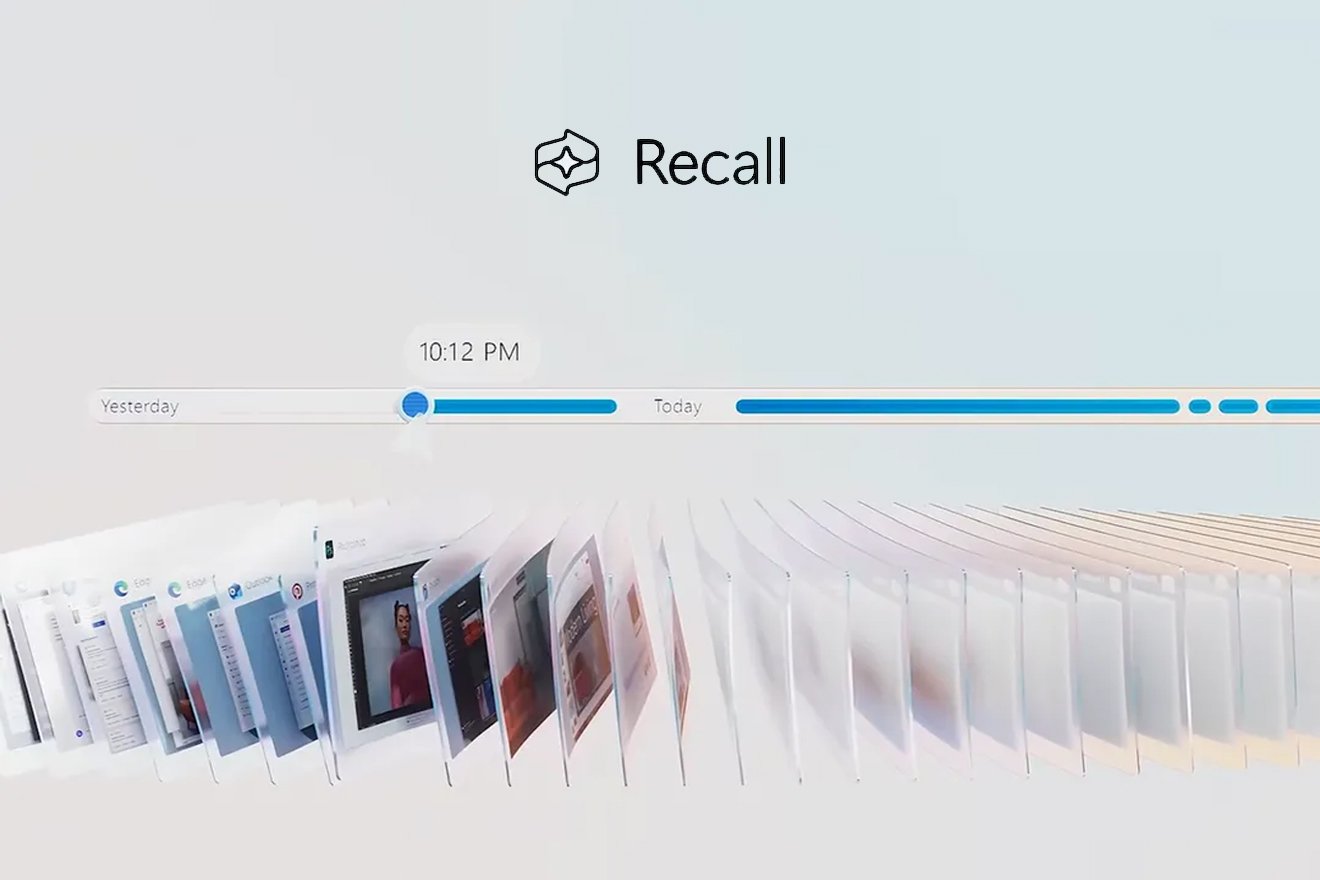

Microsoft has quietly pushed back the release of its highly anticipated AI-powered Recall feature, citing a need for major security upgrades before it can reach users. The tool, which was originally expected to debut this spring as part of the company’s Copilot Plus line of Windows devices, will now arrive at a later, unspecified date.
What Recall was designed to do
Recall was pitched as a kind of photographic memory for your computer. It works by taking periodic snapshots of everything on your screen, from open documents and web pages to chat messages and emails. Users could later search across those snapshots using natural language queries, effectively letting them scroll back through their digital history at any point. Microsoft argued that the feature would help users quickly find information they had seen but forgotten to bookmark or save.
The concept generated significant buzz when it was first announced. But security researchers and privacy advocates quickly raised alarms. Their central concern was that storing such detailed and continuous screen captures on a device creates an enormous target for attackers. If someone gained access to a machine, they could potentially browse through weeks or months of a user’s activity in a single bundle.
Microsoft initially responded by explaining that all snapshots would be encrypted and stored locally, never uploaded to the cloud. The company also said users could pause recording at any time or exclude specific apps from being captured. Still, critics argued that local encryption alone does not fully protect against malware or unauthorized physical access to the device.
Why the delay matters
In a blog post, Microsoft acknowledged that it needs more time to refine the security model around Recall. The company said it is working on additional layers of authentication and data isolation that go beyond what was originally planned. Specifically, users may be required to authenticate via Windows Hello facial recognition or fingerprint scanning before they can access the snapshot timeline. The company also plans to make sure that Recall’s database is locked down so tightly that even other processes running on the same machine cannot read it.
The delay signals a broader shift in how Microsoft thinks about shipping AI features. The company has been racing to embed generative AI into every corner of its product lineup, from Office apps to the Windows operating system itself. But Recall’s stumble shows that AI tools which require deep system access and continuous data collection face unique trust and safety hurdles. Rushing a product with these privacy implications could damage the brand’s hard-won reputation with enterprise customers and security-conscious consumers.
Some industry observers have noted that Microsoft is now in a tricky position. Competitors like Apple and Google are also building on-device AI features, but they tend to be more narrowly scoped, processing only specific types of data at specific times. Recall’s always on, always recording approach is more ambitious and therefore more risky.
What comes next
Microsoft has not given a new release target, but internal sources suggest the feature could arrive in late 2024 or early 2025. The company insists that it remains fully committed to the concept and that Recall will ship eventually. In the meantime, the company is likely to release a developer preview or beta version to a small group of testers.
For users eagerly awaiting a more powerful way to search their digital life, the wait will be frustrating. But the decision to delay rather than launch with known vulnerabilities is probably the right one. AI features that operate at this level of surveillance, even locally, require a flawless security posture because the cost of a single breach is so high.
The Recall saga serves as a reminder that being first with an AI feature is not always the same as being best. Microsoft is betting that patience now will pay off in long term trust. Whether users will forgive the delay or simply move on to alternative solutions remains to be seen. For more analysis on how major tech companies are navigating the privacy challenges of on-device AI, check out Mylistingo.