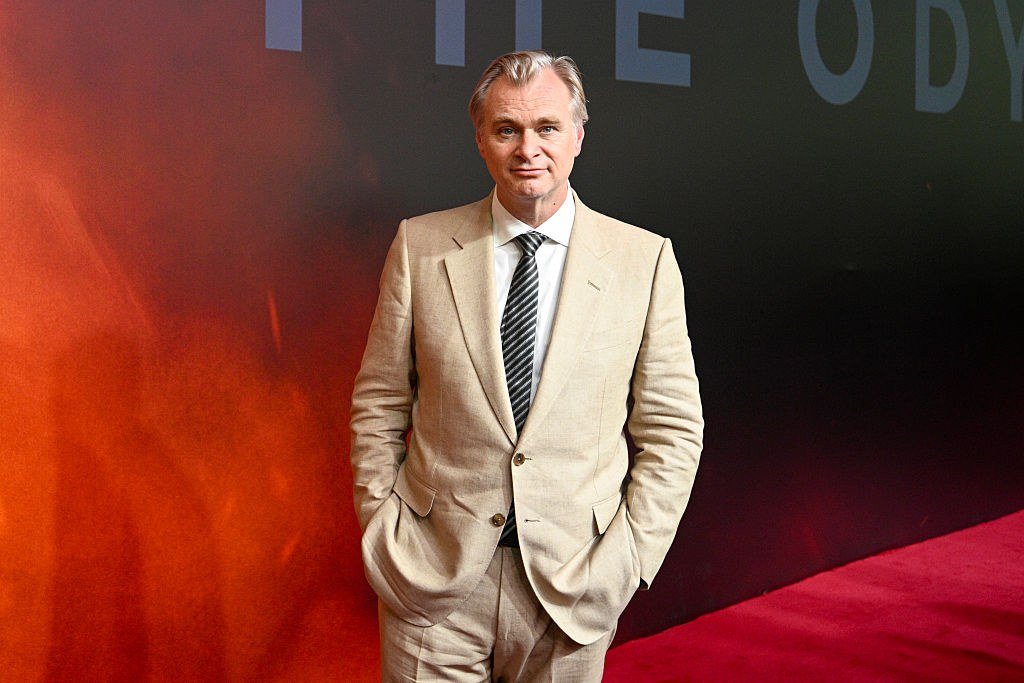
Christopher Nolan has a gift for the memorable line, and he spent one this week on artificial intelligence. The director of the coming Odyssey called AI an obvious “Trojan horse,” then delivered the punchline that gives the metaphor its bite: “Everybody knows the Greeks are inside.”
That is not how the original trick was supposed to work. In Homer’s telling, the whole point of the wooden horse was concealment. The Trojans hauled it through their own gates because they could not see the soldiers hidden in its belly. Nolan has flipped the story. In his version the deception has stopped bothering to hide. We can see the soldiers. We are wheeling the thing in anyway.
A myth turned inside out
What makes the remark stick is the confidence of it. Nolan isn’t warning that AI might smuggle something dangerous past our defenses. He’s saying the danger is in plain view and the smuggling has become a formality. The gift is offered, the recipients understand roughly what it contains, and the gates open regardless. For a filmmaker adapting the very poem the metaphor comes from, it’s a tidy piece of self-reference, and it lands harder because he’s spent years thinking about the Odyssey’s machinery of persuasion and betrayal.
Read it a second way and the line is even sharper. A Trojan horse only works if the target wants the gift enough to ignore the risk. Nolan’s framing puts the responsibility on us. The tools arrive dressed as convenience, as cost savings, as a faster path from idea to finished image. Everybody knows what’s coming with them. The knowing hasn’t changed the behavior.
Why the messenger matters
Plenty of people have called AI a Trojan horse. Coming from Nolan, the phrase carries a particular weight, because few working directors have staked their careers so publicly on the opposite of what generative AI promises. He shoots on film. He favors practical effects over digital ones, real locations over rendered ones, and in-camera solutions over fixes made later at a keyboard. His entire method is an argument that the harder, slower, more physical way of making images produces something a shortcut cannot.
So when he reaches for the Trojan horse, he isn’t speaking as a technophobe who fears what he doesn’t understand. He’s speaking as someone whose craft is built on the belief that how a thing is made shows up on screen. That gives the criticism a different texture. It’s less “this technology is scary” and more “we can already see what we’re trading away, and we’re doing it with our eyes open.”
Hollywood’s open gate
The context around the comment is a film industry that keeps inching toward the machines it says it distrusts. Studios flirt with AI for storyboarding, for de-aging, for background work, for the kind of tedious digital labor that used to fall to armies of artists. Actors and writers fought hard over synthetic performances and the reuse of their likenesses. The tension Nolan is pointing at is the gap between what the industry professes and what it quietly adopts.
His metaphor refuses the comfortable middle ground. It doesn’t allow for the usual reassurance that AI is just another tool, neutral until someone decides how to use it. A Trojan horse is not neutral. It has an intent baked into its design, and the intent is to get inside. Whether you accept that framing probably says a lot about where you already stand, which is exactly why the line is doing work. It forces a choice instead of inviting a shrug.
There’s also something pointed about who gets to be skeptical. Nolan can afford to shoot on film and turn down shortcuts because his films command the budgets and the box office to justify it. A first-time director, a small studio, a working animator staring down a deadline may not have the leverage to say no to the horse. Skepticism, in that sense, is partly a luxury, and the people with the least of it may be the ones the gates close on first.
What the line leaves open
Nolan hasn’t offered a policy, a boycott, or a plan. He’s offered an image, and images are what he trades in. The question his metaphor raises is what a city does once it has already admitted it can see the soldiers. You can still refuse the gift. You can insist on knowing what’s inside before the gates open. Or you can decide the horse was always going to come in and start negotiating the terms of the occupation.
Watch how Odyssey itself gets talked about as it approaches release. A director this vocal about AI, adapting a story this famous for its warnings about clever traps, has more or less dared the industry to notice the parallel. Whether anyone at the gate is listening is the part he left unsaid.
For more coverage of AI and the creative industries, visit Mylistingo.
Source: Original Article
The Netherlands, for internationals
One email a week: the week's news for internationals in the Netherlands, new practical guides and what changed in the cities. No spam, unsubscribe any time.