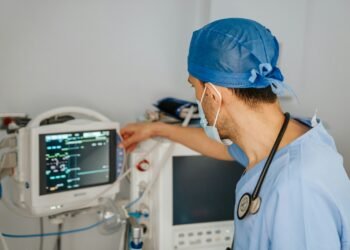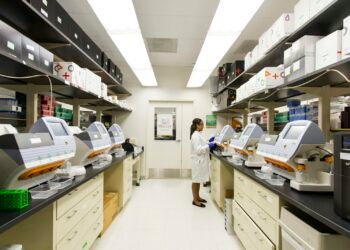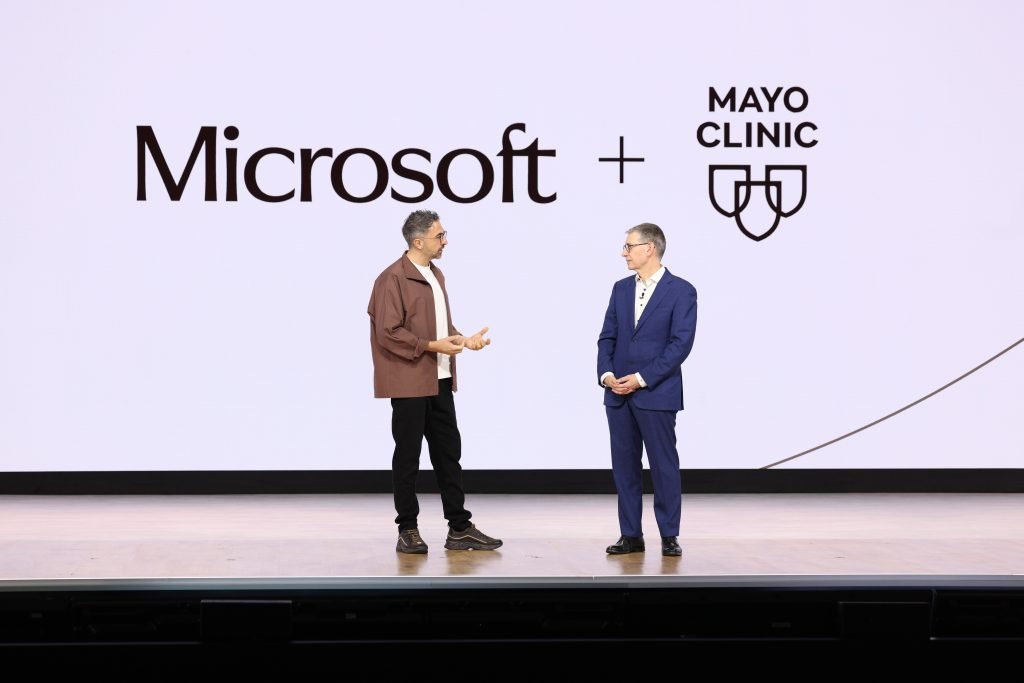

Nvidia has announced a strategic partnership with Mayo Clinic to bring its artificial intelligence hardware and software into one of the most respected healthcare systems in the United States. The collaboration aims to shorten the time it takes to analyze medical images, improve diagnostic accuracy, and ultimately give clinicians faster access to actionable insights.
What the partnership actually involves
Under the agreement, Mayo Clinic will deploy Nvidia’s Clara platform, a suite of AI tools designed specifically for medical imaging and genomics. Clara includes pre-trained models that can detect anomalies in X-rays, CT scans, and MRIs, as well as tools that help radiologists prioritize urgent cases. The platform runs on Nvidia’s DGX systems, which are purpose-built for high-performance computing workloads.
Mayo Clinic will also use Nvidia’s MONAI framework, an open-source set of AI tools developed in collaboration with King’s College London and other academic medical centers. MONAI stands for Medical Open Network for AI, and it provides standardized building blocks for training and deploying medical imaging models. By using MONAI, Mayo Clinic can develop custom AI applications without starting from scratch each time.
The partnership extends beyond imaging. Nvidia and Mayo Clinic plan to explore AI applications in genomics, pathology, and even robotic surgery. The idea is to create a pipeline where data from different departments can feed into a unified AI system that helps doctors make decisions faster and more accurately.
Why this matters for patients and clinicians
For patients, the most immediate benefit could be shorter wait times for results. Radiology departments in large hospitals often face backlogs, especially during flu season or public health emergencies. An AI system that can flag critical findings in seconds rather than hours gives radiologists a head start on the most urgent cases.
For clinicians, the partnership means access to tools that reduce repetitive work. Radiologists spend a significant portion of their day reviewing normal scans. An AI that can reliably rule out common findings allows them to focus on complex or ambiguous cases. This does not replace the doctor, but it does free up time and reduce burnout, a major issue in healthcare today.
There is also a research angle. Mayo Clinic generates massive amounts of data from its clinical trials and routine patient care. With Nvidia’s computing power, researchers can train models on de-identified datasets that are far larger than what most institutions can handle. The hope is that these models will uncover patterns that humans might miss, leading to earlier detection of diseases like cancer and heart conditions.
Broader implications for the AI in healthcare market
This deal signals that major technology companies are serious about healthcare as a growth sector. Nvidia has been investing heavily in its Clara platform for years, but partnerships with elite medical institutions give it real-world validation. Mayo Clinic’s stamp of approval could encourage other hospital systems to adopt similar AI tools, which would accelerate the market for AI diagnostics.
The collaboration also highlights a shift in how AI is deployed in hospitals. Earlier efforts focused on standalone tools that operated in isolation. The new approach integrates AI directly into existing workflows, so that a radiologist sees AI-generated alerts in the same interface they already use to view images. This reduces training time and increases the likelihood that the tool will actually be used.
Regulatory hurdles remain a factor. Any AI tool that influences clinical decisions must be cleared by the FDA, and that process can take years. Nvidia and Mayo Clinic are working within that framework, but the timeline for widespread deployment is still uncertain. Still, the partnership sets a foundation for faster approvals in the future, because the models will be trained on high-quality data from a leading institution.
For anyone watching the intersection of AI and medicine, this is a partnership to track. It combines hardware, software, and clinical expertise in a way that few other initiatives have matched. If successful, it could become a blueprint for how hospitals and tech companies work together to improve patient care. For more stories like this, visit Mylistingo.