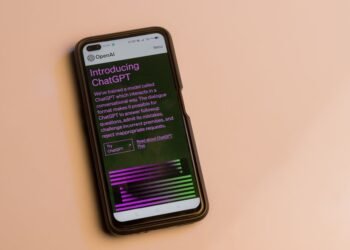
OpenAI has quietly crossed a line it once swore it would never approach. The company behind ChatGPT has signed a contract with a major US defense contractor to develop AI systems for military weapons. The deal signals a clear departure from OpenAI’s earlier pledge to avoid contributing to lethal autonomous weapons.
Reports confirm that OpenAI is now working with Anduril Industries, a defense technology firm founded by Palmer Luckey. Anduril is known for building autonomous drones, surveillance systems, and other military hardware. The partnership will focus on integrating OpenAI’s large language models into battlefield systems, including target identification and drone coordination.
This collaboration comes after OpenAI quietly removed a clause from its usage policies in early 2024 that explicitly prohibited military applications. The old policy stated that OpenAI’s tools could not be used for weapons development or military purposes. The new policy still bars using its technology to cause harm, but it leaves room for defense contracts that the company deems aligned with national security.
Why this matters for AI governance
OpenAI’s decision to partner with Anduril is a major moment for the AI industry. For years, the company positioned itself as a responsible steward of artificial general intelligence. It claimed it would put safety and human benefit above profit. Now critics argue that OpenAI is chasing lucrative government contracts while abandoning its ethical commitments.
The debate centers on the distinction between defensive and offensive systems. OpenAI and Anduril describe their work as defensive, focused on protecting soldiers and preventing casualties. Anduril’s founder has stated that AI can make military systems more precise and reduce civilian harm. But many experts warn that the same technology can easily be adapted for offensive missions.
Autonomous weapons systems have long been a red line for AI researchers. More than 50 countries have called for a ban on lethal autonomous weapons under the United Nations. The United States has not signed on to such a ban. Critics fear that partnerships like this one will accelerate an AI arms race that could spiral out of control.
Market and competitive pressures
The defense deal also reflects OpenAI’s growing need for revenue. Training and running large AI models is extraordinarily expensive. Microsoft has invested billions in OpenAI, but the company still loses money on many of its products. Government contracts offer a steady, high-margin source of cash that investors increasingly demand.
OpenAI is not alone in pursuing military contracts. Google and Amazon have long worked with the Pentagon on cloud computing and AI. Microsoft supplies AI tools to the US Army. The race to dominate the AI defense market is heating up, and OpenAI appears unwilling to let its rivals have the battlefield to themselves.
Some employees have reportedly expressed discomfort with the direction. OpenAI has seen senior talent depart over ethical disagreements in the past. The company insists that safety guardrails remain in place and that human oversight will be maintained for all military applications. Still, the shift has damaged trust among many in the AI research community.
Looking ahead, the partnership could set a precedent for other AI labs. If the world’s most prominent AI safety company is now building weapons, it becomes harder for smaller players to justify refusing similar contracts. The boundaries between civilian AI and military AI are blurring faster than most regulations can keep up.
You can read more about the broader implications of AI in defense technology at Mylistingo. The coming years will test whether OpenAI can balance its safety rhetoric with the realities of military funding.
The Netherlands, for internationals
One email a week: the week's news for internationals in the Netherlands, new practical guides and what changed in the cities. No spam, unsubscribe any time.