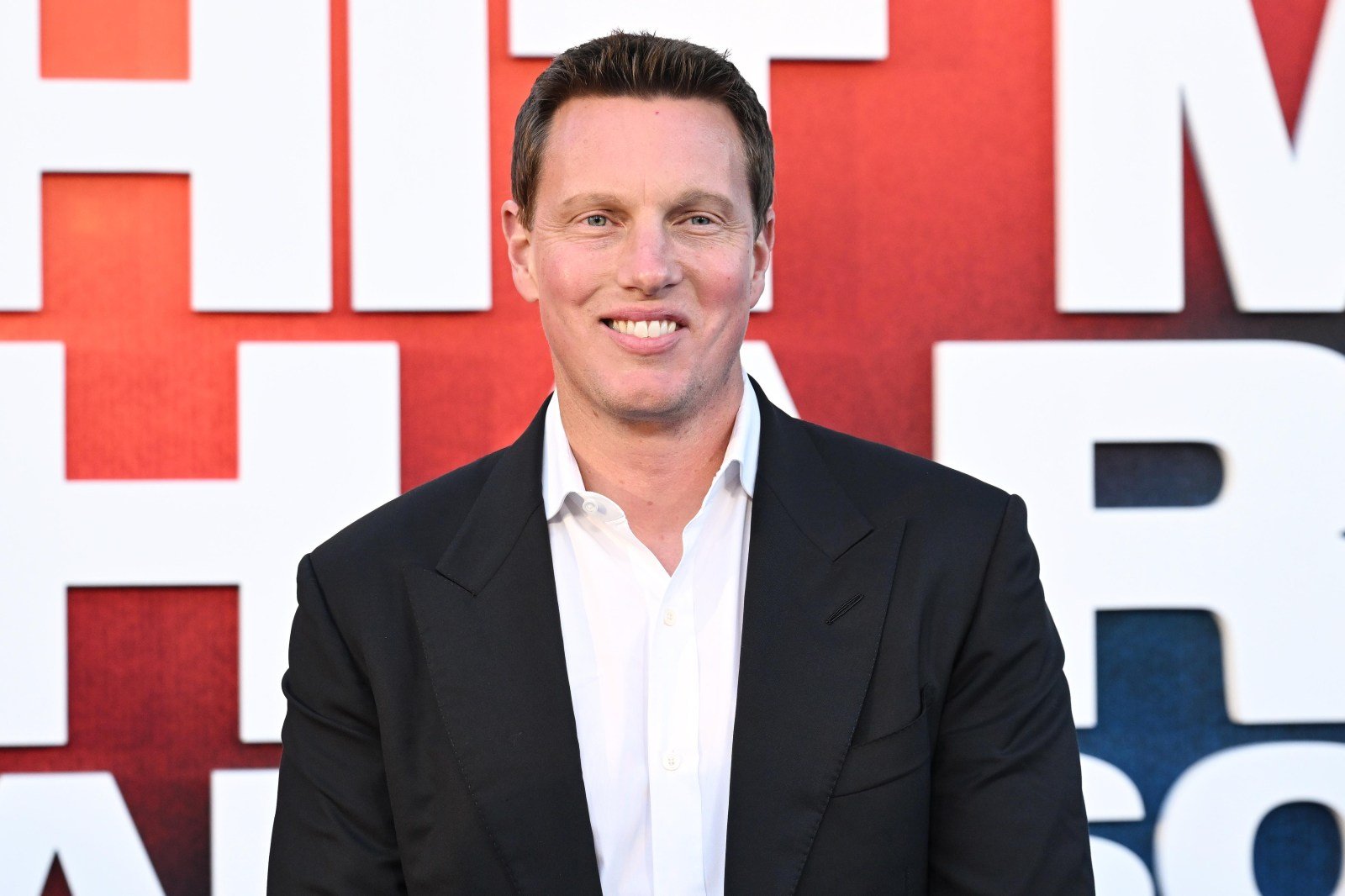
Paramount Skydance’s chief executive thinks AI will change filmmaking more than computer graphics did. He also insists it will not replace the people who make films.
David Ellison made the case on the company’s latest earnings call. Asked about Paramount’s outlook for artificial intelligence, he compared the moment to the arrival of digital compositing in the early 1990s.
“I think when you zoom out and look at production, AI really has the potential to be the biggest creative unlock in modern history,” Ellison said, according to The Verge.
He pointed to the films that era produced. Jurassic Park and Terminator 2 became possible because the tools caught up with the ideas. Ellison expects AI to have a larger effect than that shift did.
The budget argument
His reasoning is financial. Ellison said Terminator cost about $4 million to make in 1984. Shooting the same picture today, frame for frame, would run $60 million to $70 million.
Cheaper production, in his view, means studios can take chances on stories they would otherwise avoid. “We think these tools will help unlock more original storytelling by being able to make the budgets more digestible to be able to take that amount of risk,” he said.
Ellison said AI will “significantly” reshape Paramount Skydance’s business. The company has been building its own tools. He claims those tools will make content easier to produce, speed up projects across the organization, and change how staff work.
He also argued the shift raises the value of what cannot be automated. “All of this makes the value of premium IP and live events more valuable, not less,” Ellison said.
The line studios keep repeating
Ellison added a caveat that has become standard for media executives. “In a world of AI slop, we think there will always be a premium for truly hand-crafted storytelling,” he said. He described artificial intelligence as a tool for artists that “will never be a replacement for them.”
That framing is becoming the industry’s default position. Disney announced its own partnership with Adobe this week, building custom models trained on its characters, parks and sports content. Both companies describe the work as artist-led and commercially safe.
The difference is where the tools come from. Disney is buying a customized system from a vendor. Paramount Skydance says it is developing its own.
Neither company has published what those systems cost or which productions will use them first. The claims about speed and savings remain projections until films built that way reach cinemas.
Ellison’s comparison to CGI is the part worth watching. Digital effects did expand what filmmakers could show. They also reshaped crews, budgets and schedules, and the transition took years. If AI follows the same path, the creative unlock and the disruption arrive together.
Related: Disney and Adobe’s artist-led AI partnership and Anthropic’s Claude Fable 5.2 launch.
The Netherlands, for internationals
One email a week: the week's news for internationals in the Netherlands, new practical guides and what changed in the cities. No spam, unsubscribe any time.