Carolyn Marvin stood in front of a delivery robot on a Philadelphia sidewalk. Police asked her to move. She refused, and officers put her in handcuffs.
Marvin was charged with disorderly conduct after blocking the path of an Uber delivery robot. Video of the arrest spread quickly this weekend and turned a local protest into a national argument about automation and work.
“I have been protesting them whenever I saw them”
I know they’re taking the jobs of human delivery workers and so, I have been protesting them whenever I saw them by standing in front of them and preventing them from going forward.
📖RECOMMENDED READThe Coming Wave: AI, Power, and the Greatest Dilemma of Our AgeMustafa SuleymanThe definitive book on where AI is heading - written by one of the field founders.View on Amazon →affiliate link
She said that to Philadelphia’s ABC13. The station reported that police responded to the scene and asked Marvin to step aside. When she stayed put, they arrested her.
The robots are now a familiar sight downtown
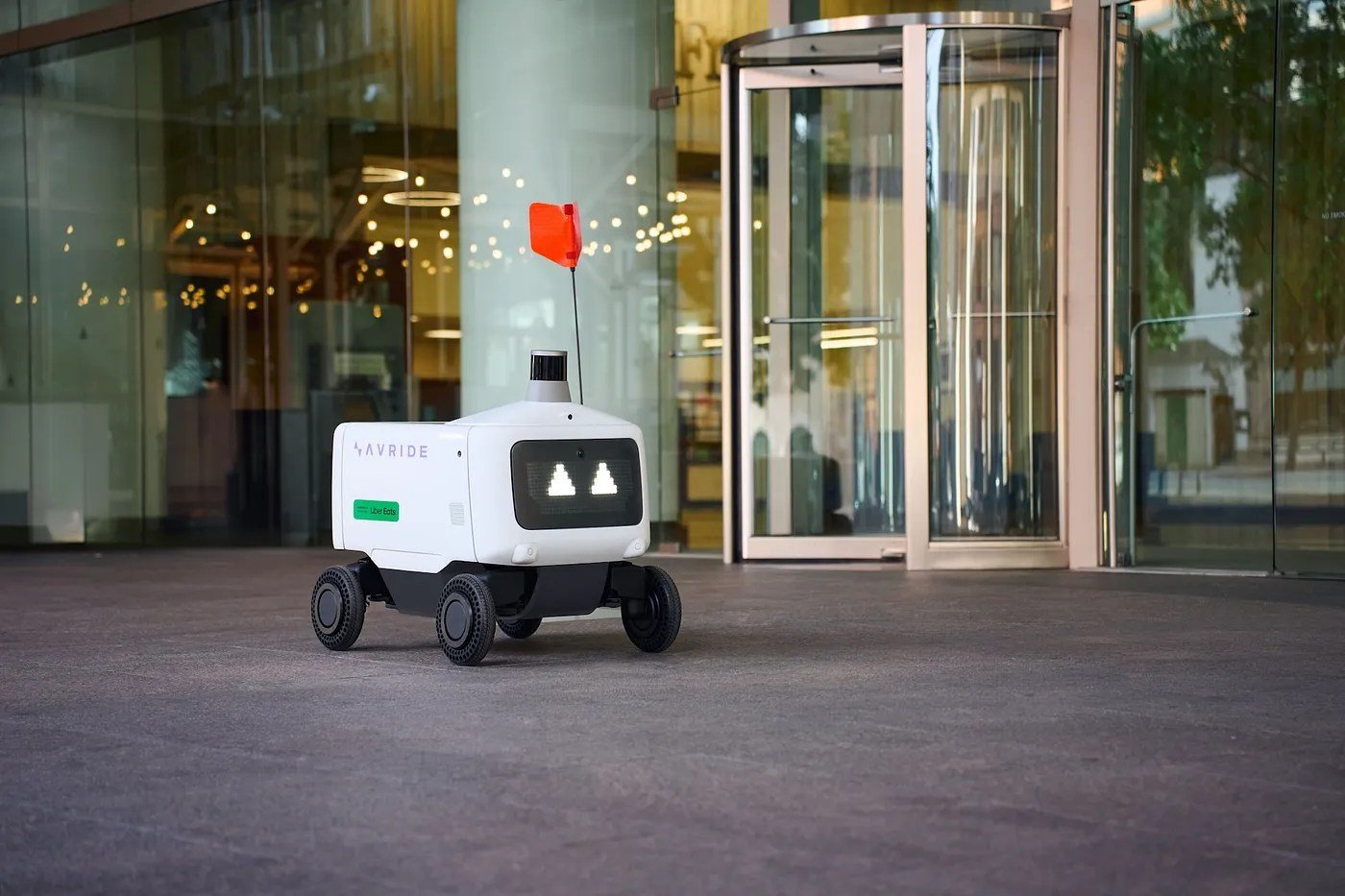
Sidewalk delivery robots have become common in downtown Philadelphia. They roll along pavements, cross at signals, and carry food and groceries for paying customers. They have also collected a growing pile of complaints from residents and workers.
This was not Marvin’s first encounter with the machines. Earlier this year, someone kicked one over in Center City. The devices have become a flashpoint in several American cities, mostly over sidewalk space, accessibility, and safety near crossings.
The argument is bigger than one robot
The backlash is not limited to delivery bots. Cities across the United States are wrestling with robotaxis after a series of high-profile incidents. Federal regulators have moved slowly, so local governments have started writing their own rules.
Companies deploying the machines argue they are cheaper and more predictable than human couriers. Labor groups counter that the savings come from removing workers who have few other routes into the middle class. Both claims hold some truth, and neither settles the policy question.
Arrests for standing on a public sidewalk are unusual. Disorderly conduct charges give police wide discretion, and critics say that discretion can clear a protest which inconveniences a company rather than the public.
The robots will keep rolling. Uber and its partners are expanding service in more cities, and investors are still funding the category. What changed this weekend is the image: a woman in handcuffs, a small white robot waiting behind her, and a debate that is no longer theoretical.

Source: The Verge — A woman was arrested in Philly for blocking a delivery robot
Related: Cities take robotaxi rules into their own hands as Washington stalls.
The Netherlands, for internationals
One email a week: the week's news for internationals in the Netherlands, new practical guides and what changed in the cities. No spam, unsubscribe any time.