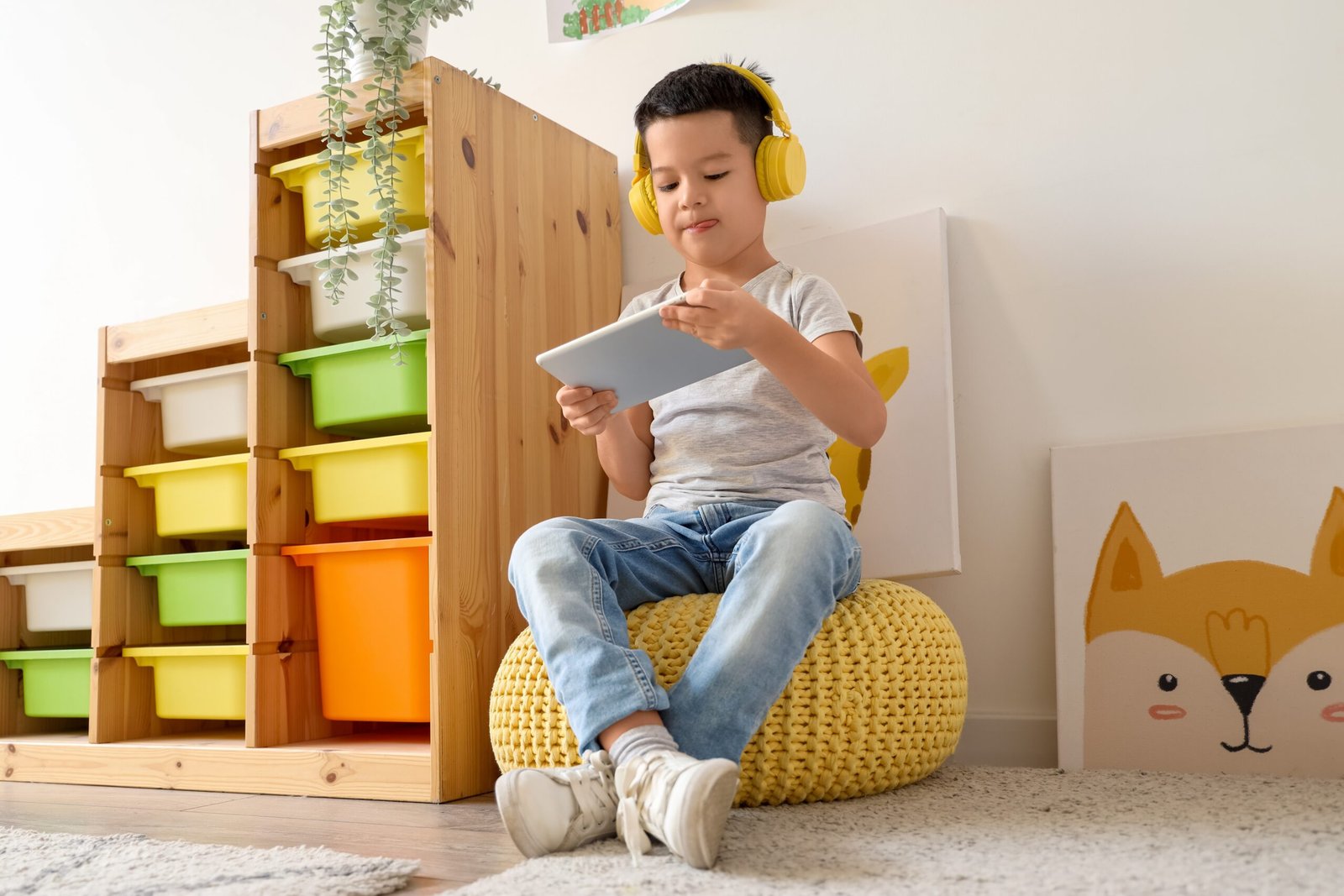
For more than a century, classrooms have run on a simple compromise: one teacher, many students, a single pace. Education researchers have long known that one-to-one tutoring produces dramatically better outcomes than group instruction—but providing a personal tutor for every child has always been impossibly expensive. Artificial intelligence is beginning to change that equation.
What an AI tutor actually does
An AI tutor is not a video lecture or a quiz app. At its best, it is an interactive system that adapts to each learner: explaining a concept a second way when the first does not land, offering harder problems when a student races ahead, and slowing down when they struggle. It can be patient at midnight, never sighs at a repeated question, and tailors its examples to a student’s interests.
- Adaptive pace: moving faster or slower based on real understanding, not the class average.
- Instant feedback: correcting mistakes in the moment, when learning sticks best.
- Confidence: a judgement-free space to ask “basic” questions students might hesitate to raise in class.
Freeing teachers, not replacing them
The most credible vision is not robots replacing teachers—it is AI handling routine reinforcement so teachers can do what only humans can. When an AI system manages drill, practice, and first-line questions, teachers gain time for mentorship, motivation, and the social and emotional work at the heart of education. AI can also lighten the administrative load, drafting lesson materials and summarising where a class is struggling.
Early evidence and honest limits
Some schools and platforms report encouraging gains in engagement and mastery when adaptive tools are used well. But the technology is no magic wand. Effectiveness depends heavily on thoughtful design and teacher integration. There are real risks too: students leaning on AI to do their thinking for them, over-reliance that erodes problem-solving, and tools that work better for some learners than others.
The equity question
Personalised learning could narrow opportunity gaps—or widen them. If high-quality AI tutoring reaches only well-resourced schools, it risks deepening existing divides. If deployed deliberately to under-served students, it could bring something close to one-to-one support to children who have never had it. Which future we get is a matter of policy and intent, not technology alone.
Guardrails for the classroom
Responsible adoption means protecting student data, keeping teachers in the loop, and teaching young people to use AI as a thinking partner rather than a shortcut. Schools that succeed will treat AI as one tool within a human-centred system—not as a substitute for the relationships that make learning work.
A genuinely new chapter
The dream of a personal tutor for every learner is older than the computer. For the first time, it looks technically and economically plausible. If educators, families and policymakers steer it wisely, the AI tutor revolution could make deeply personalised learning the norm rather than the privilege of a few.
Mylistingo explores how AI is reshaping the classroom. Read more at mylistingo.com.
The Netherlands, for internationals
One email a week: the week's news for internationals in the Netherlands, new practical guides and what changed in the cities. No spam, unsubscribe any time.