The Rise of Humanoid Robots in 2026
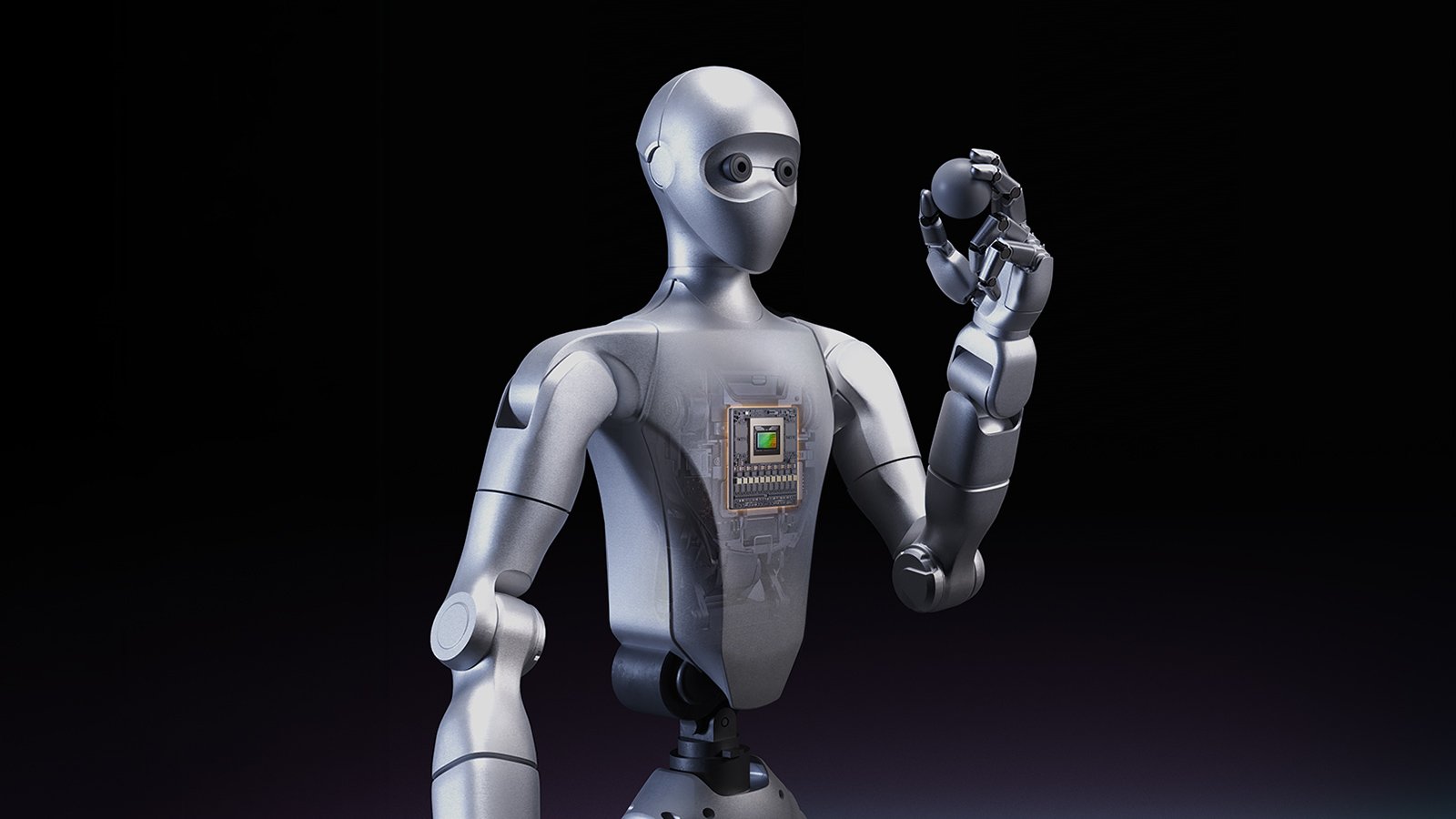
The robotics industry is experiencing a transformative shift in 2026 as humanoid robots move from research labs into real-world applications. Major technology companies and startups alike are racing to develop bipedal machines capable of performing complex tasks in manufacturing, logistics, and even home environments.
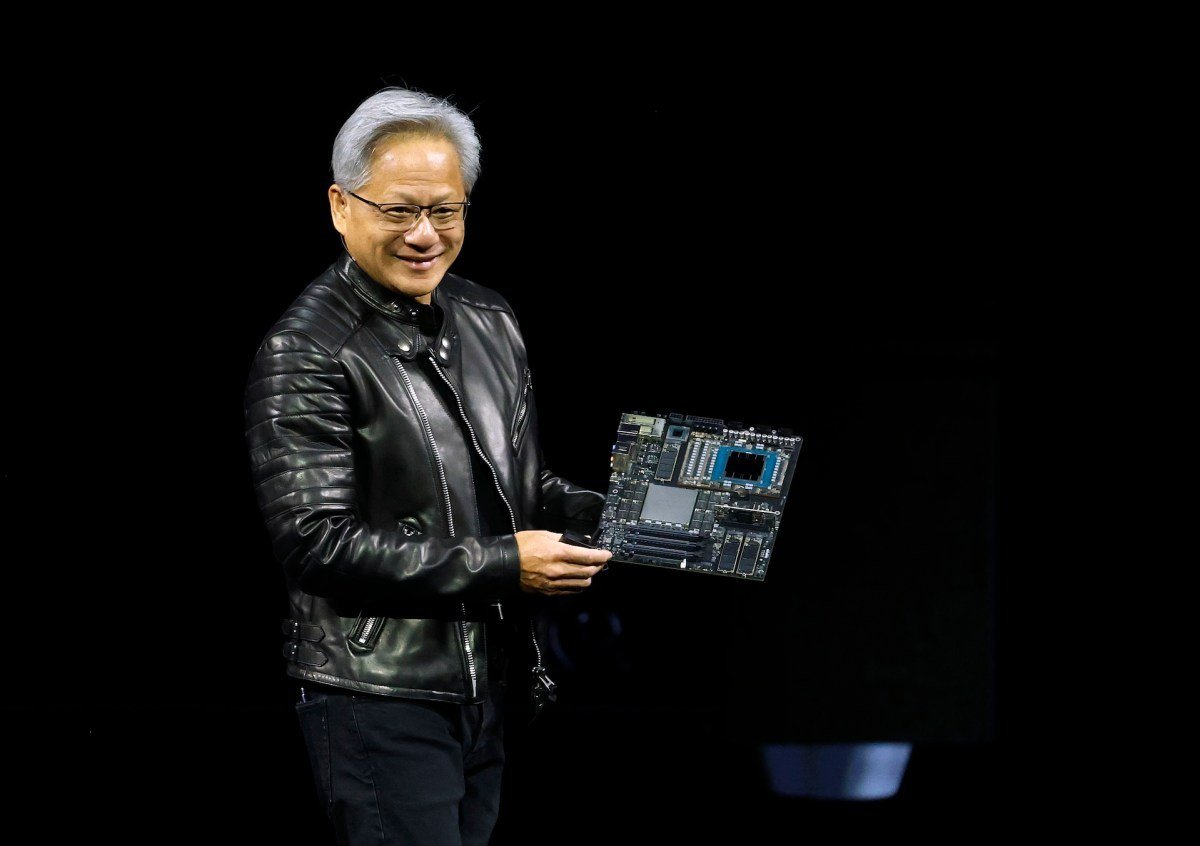
Nvidia has emerged as a key player in this space, partnering with robotics companies like Unitree to provide the computational backbone for next-generation humanoids. The chipmaker’s Isaac platform and Jetson Thor processors are becoming the de facto standard for robot perception and control systems, enabling machines to navigate unstructured environments with unprecedented accuracy.
Unitree, the Chinese robotics firm, recently demonstrated its latest humanoid performing warehouse picking tasks with a success rate exceeding 98 percent. The robot can lift packages weighing up to 20 kilograms while walking on uneven surfaces — a capability that brings it closer to replacing human workers in physically demanding roles.
Beyond the Factory Floor
While industrial applications dominate current deployments, the vision for humanoid robots extends much further. Healthcare, elder care, and disaster response are three sectors where bipedal robots could have the greatest societal impact. Japan, facing a rapidly aging population, is investing heavily in caregiving robots that can assist with mobility and daily tasks.
Tesla’s Optimus program, though less visible in 2026 than in previous years, continues development at the company’s Austin facilities. Industry analysts expect a commercial timeline announcement before the end of the year. Meanwhile, Figure AI and Agility Robotics have secured significant funding rounds, with Digit robots already working in Amazon warehouses.
The economics are becoming increasingly favorable. A humanoid robot that costs $150,000 to manufacture can replace a $40,000-per-year warehouse worker within four years — and the robot works 24/7 without breaks or overtime. As component costs decline and AI capabilities improve, the break-even point shrinks further.
Challenges Remain
Despite remarkable progress, humanoid robots still face significant hurdles. Battery life typically maxes out at two to three hours of continuous operation, and fine motor skills like threading a needle or handling delicate objects remain difficult. Safety regulations are also catching up — the European Union is expected to release its first humanoid-robot safety framework by late 2026.
Nevertheless, the trajectory is clear. By 2030, humanoid robots are projected to be a $30 billion market. The machines that once existed only in science fiction are becoming an everyday reality.
The Netherlands, for internationals
One email a week: the week's news for internationals in the Netherlands, new practical guides and what changed in the cities. No spam, unsubscribe any time.