The electric vehicle industry is on the cusp of its most significant technological leap in a decade, as solid-state battery production moves from laboratory prototypes to commercial manufacturing lines. Multiple automakers and battery giants have announced timelines for mass production in 2026-2027, promising vehicles that charge faster, drive farther, and pose fewer fire risks than today’s lithium-ion packs.
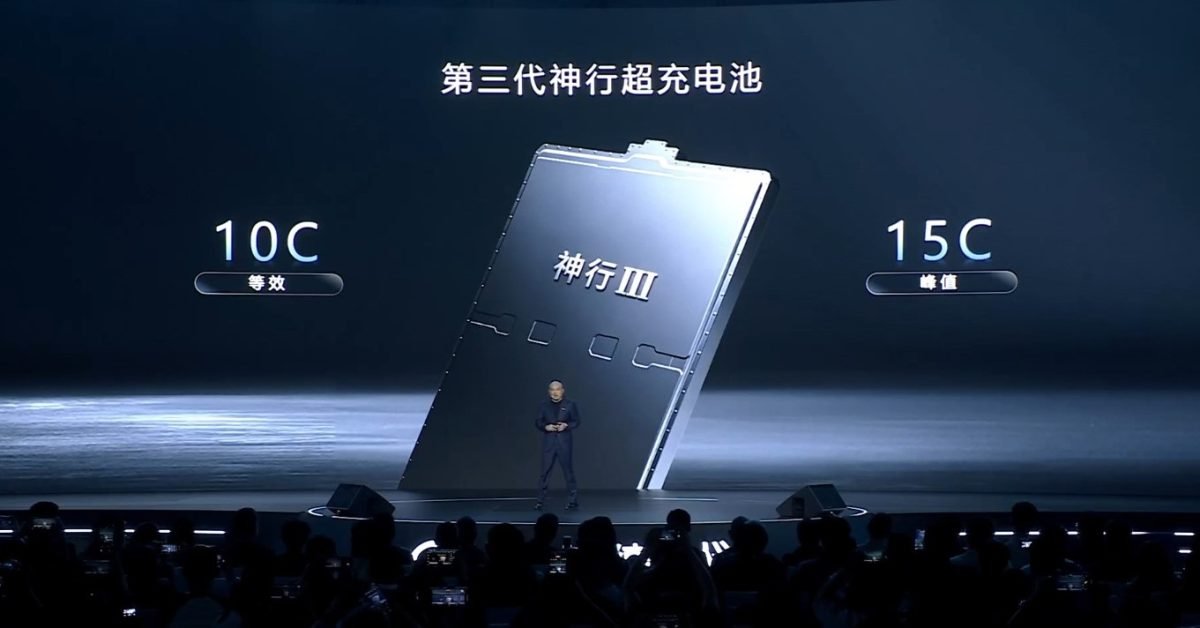
Chinese battery titan CATL made headlines in April 2026 by demonstrating a new lithium-iron-phosphate (LFP) battery capable of adding 400 kilometres of range in just six minutes of charging. While not a true solid-state design, the breakthrough in charging speed signals how rapidly battery technology is advancing. CATL claims the new cells will enter mass production by late 2026, with several Chinese EV makers already signed on as launch partners.
Toyota, long considered the frontrunner in solid-state battery development, reaffirmed its commitment to launching vehicles with solid-state packs by 2027. The Japanese automaker has been working on the technology for over a decade and holds more than 1,300 patents in the field. Toyota’s solid-state battery is expected to deliver approximately 1,200 kilometres of range on a single charge, with a recharge time of under 10 minutes — roughly doubling the range of today’s best lithium-ion EVs while halving the charging time.
In Europe, BMW and Volkswagen are racing to secure their supply chains. BMW has partnered with Colorado-based Solid Power to build a pilot production line at its Munich facility, targeting limited production runs by late 2026. Volkswagen, through its battery subsidiary PowerCo, is working with QuantumScape — a Silicon Valley startup that went public via SPAC in 2020 — to commercialise ceramic separator technology that replaces the flammable liquid electrolyte in conventional cells.
“Solid-state batteries eliminate the single biggest safety concern with EVs: thermal runaway,” explained Dr. Linda Nazar, a battery researcher at the University of Waterloo. “By replacing the liquid electrolyte with a solid ceramic or polymer, you remove the fuel that feeds a battery fire. That alone changes the regulatory and insurance landscape for EVs.”
The global solid-state battery market is projected to reach €8 billion by 2030, according to a recent report by SNE Research. South Korean giants Samsung SDI and SK On are also investing heavily, with Samsung SDI targeting 2027 for its first solid-state production line. As manufacturing costs decline and energy densities climb, the long-promised solid-state revolution may finally be arriving — and with it, a new chapter for the electric vehicle industry.
The Netherlands, for internationals
One email a week: the week's news for internationals in the Netherlands, new practical guides and what changed in the cities. No spam, unsubscribe any time.