



Apple has filed a federal lawsuit against OpenAI, two of its former employees, and the design startup io Products, accusing them of stealing confidential information. The complaint, submitted on Friday, alleges a coordinated pattern of trade secret theft tied to Apple’s product development and hardware operations.
The Lawsuit’s Allegations
<
p>At the center of the case are two longtime Apple workers who left to join OpenAI. Drew Pusateri, a spokesperson for OpenAI, told the BBC that the company has no interest in other companies’ trade secrets and is reviewing the complaint. An Apple spokesperson said the lawsuit is based on significant evidence.
According to the filing, at least two former Apple employees emailed themselves internal documents before departing. The company names Chang Liu, a senior electrical engineer who worked at Apple for eight years, and Tang Yew Tan, a vice president of design for iPhone and Apple Watch who spent 24 years at the company. Tan now serves as OpenAI’s chief hardware officer. OpenAI also acquired io Products last year, the design startup founded by former Apple executive Jony Ive.
Apple claims that through these hires, OpenAI gained access to sensitive projects, trusted partner relationships, proprietary manufacturing techniques, and unreleased products. The lawsuit further alleges that when OpenAI interviews current Apple employees, it tries to extract additional information. Interviewers have allegedly told prospective hires to bring actual parts from Apple as props for show and tell during their interviews.
A Shift in Corporate Relations
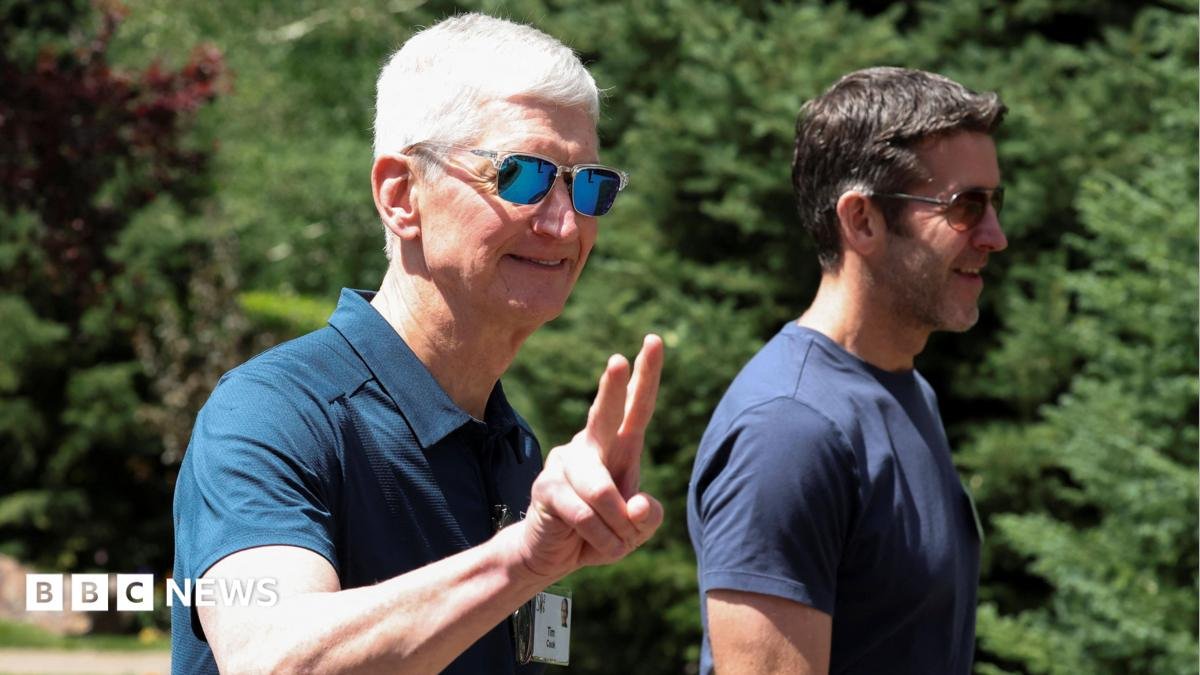
The legal action marks a dramatic turn in the relationship between Apple and OpenAI. Earlier this year, outgoing Apple CEO Tim Cook integrated ChatGPT into Apple devices as part of a broader push to offer more AI features. Apple later shifted some of those features to run on Google’s Gemini model and tools.
When Cook announced his departure in April, OpenAI co-founder and CEO Sam Altman publicly praised him as a legend and thanked him for his contributions. Now Apple accuses OpenAI of undertaking a strategy to extract confidential information, alleging that the misconduct is normalized and exemplified by leadership.
Apple also says it tried to discuss its concerns with OpenAI in February but was ignored. The company claims OpenAI’s nascent hardware business now rests on a shaky foundation, rotten to its core by illegal reliance on misappropriated trade secrets.
What Apple Seeks
Apple has asked the court to immediately prohibit OpenAI from obtaining or using any alleged confidential information. It is also seeking unspecified monetary damages. The lawsuit comes as OpenAI prepares to release its first hardware product, a keyboard designed to work with its AI tools, later this month.
OpenAI’s hardware ambitions have been an open secret in the industry, and this legal battle could complicate the company’s plans. Apple’s lawsuit paints a picture of a competitor that has systematically exploited its access to Apple’s talent and secrets to build its own consumer hardware division. The outcome could set a precedent for how tech companies handle employee mobility and trade secrets in the fast moving AI sector.
For now, the case underscores the growing tension between two of tech’s most powerful players. As the AI arms race accelerates, legal disputes over talent and intellectual property are likely to become more common. This lawsuit is particularly notable because it involves a company that was once a close partner. For more on the broader competition in the robotics and hardware space, you can read our coverage of the humanoid robot race.