For decades, the humanoid robot was a fixture of science fiction and little more. Building a machine that can walk, balance, and manipulate objects in a world designed for humans proved extraordinarily hard. But a convergence of better hardware, cheaper components, and—crucially—modern AI has reignited the field. Suddenly, a serious race to build general-purpose humanoid robots is underway.
Why humanoids, and why now
The argument for human-shaped robots is simple: our world is already built for the human form. Doorways, stairs, tools, and workspaces all assume a body with two legs and two hands. A robot that fits that template could, in theory, slot into existing environments without redesigning everything around it. What changed recently is the “brain.” Advances in machine learning have made it far more feasible for robots to perceive their surroundings, plan movements, and learn tasks rather than being painstakingly programmed for each one.
The contenders
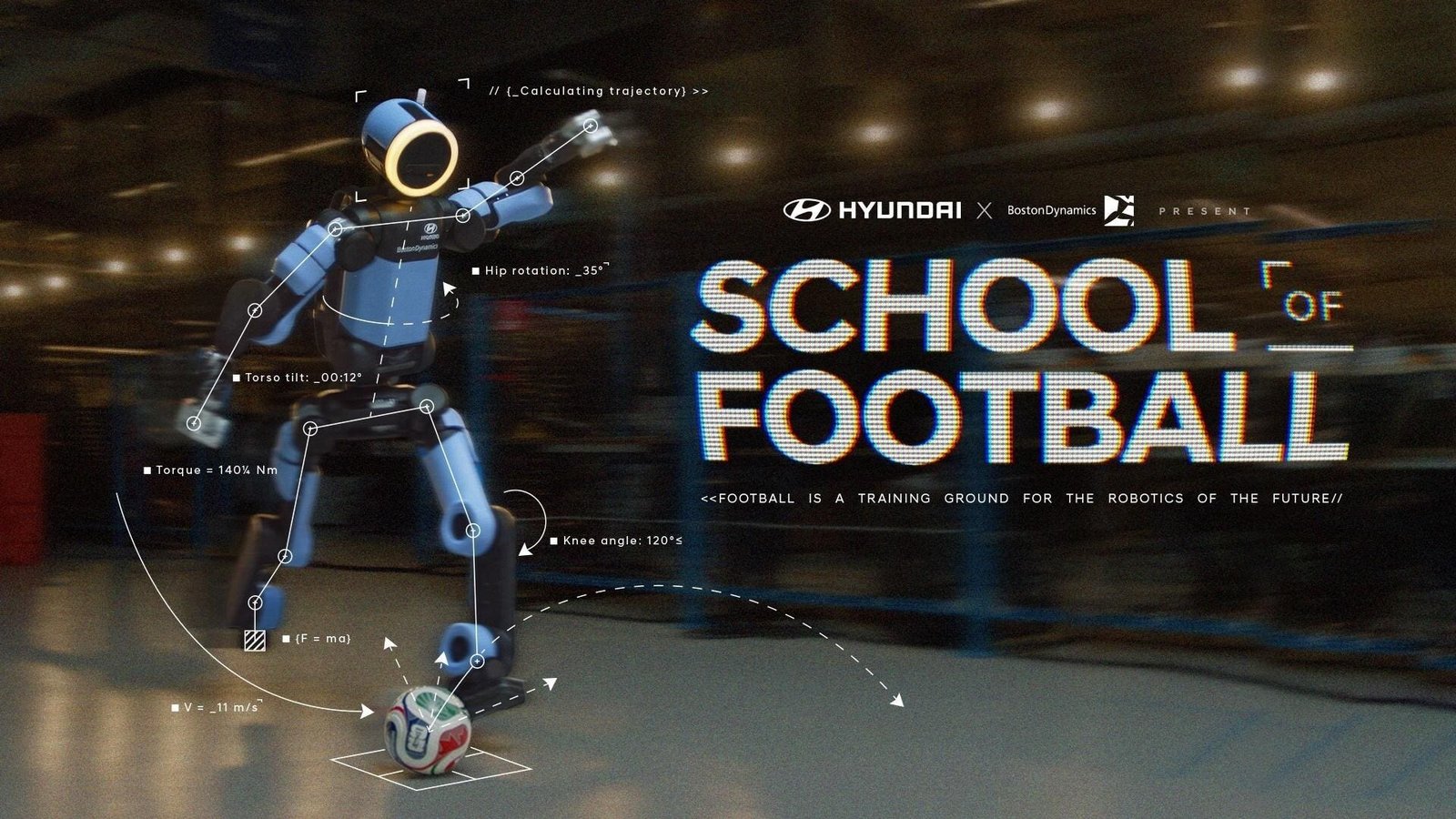
Boston Dynamics spent years demonstrating astonishing mobility with its Atlas robot, setting the bar for what a machine could physically do. A newer wave of companies, including Figure AI, is focused squarely on general-purpose humanoids aimed at real work—starting in warehouses and manufacturing. Several large technology and automotive firms have launched or backed humanoid programmes of their own, betting that labour-intensive industries are the first market.
- Logistics and manufacturing: repetitive, physically demanding tasks are the obvious early targets.
- Hazardous environments: jobs too dangerous or unpleasant for people.
- The long term: ambitions stretch toward general assistance, though that remains distant.
The role of AI “foundation models” for robots
A key shift is the idea of training robots much as we train language models—on large amounts of data so they can generalise to new tasks. Instead of hand-coding every motion, researchers teach robots from demonstration and simulation, hoping for systems that adapt to situations they were not explicitly programmed for. This “learning” approach is what gives the current wave its optimism.
The hard problems that remain
Hype should be tempered with engineering reality. Humanoids are expensive, batteries limit how long they can operate, and reliable manipulation—grasping varied objects gently and precisely—is still genuinely difficult. Safety around humans is paramount, and a machine that is impressive in a controlled demo may struggle in the messiness of a real workplace. Many past robotics timelines have proved optimistic.
What success would mean
If even a fraction of the current ambition is realised, the implications are profound—for industries facing labour shortages, for the economics of physical work, and for how we think about automation. It also raises serious questions about jobs, safety standards, and regulation that society will need to address.
A race worth watching
Whether humanoids become commonplace this decade or remain niche for years, the competition is accelerating real progress in perception, control, and learning. The humanoid robot race is genuinely on—and for the first time, it looks less like science fiction and more like an engineering problem being steadily solved.
Mylistingo follows the robotics race as it develops. Read more at mylistingo.com.
The Netherlands, for internationals
One email a week: the week's news for internationals in the Netherlands, new practical guides and what changed in the cities. No spam, unsubscribe any time.