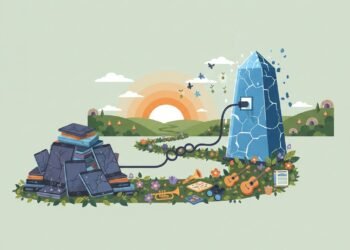
In an era of constant notifications, infinite scrolling, and algorithmic feeds designed to maximize engagement, a growing number of people are choosing to disconnect. The digital detox movement, once a fringe lifestyle choice practiced by Silicon Valley executives and wellness influencers, has become a mainstream phenomenon in 2026. Millions of people across the globe are taking deliberate steps to reduce their screen time, reclaim their attention, and rebuild their relationship with technology.
The scale of this shift is remarkable. According to a recent survey by the Pew Research Center, 47 percent of American adults report having made a conscious effort to reduce their smartphone usage in the past year, up from 32 percent in 2024. In Europe, the numbers are similar, with 43 percent of adults in the UK and 48 percent in Germany reporting active screen reduction efforts. Among Generation Z and younger millennials, the figures are even higher, approaching 60 percent in some demographics.
What Is Driving the Digital Detox Movement?
Several converging factors explain why the digital detox movement has gained such momentum. The most immediate is growing awareness of the documented harms of excessive screen time. A landmark longitudinal study published in The Lancet Digital Health in early 2026 found that adults who spent more than six hours per day on screens had a 37 percent higher risk of developing anxiety disorders and a 42 percent higher risk of depression compared to those who limited screen time to under two hours.
Social media platforms, in particular, have come under increased scrutiny. Internal documents leaked from major social media companies have revealed that executives were aware of the addictive design of their platforms for years while publicly denying it. The revelations have fueled public anger and prompted legislative action. The European Union’s Digital Services Act has already forced platforms to offer non-algorithmic feed options, while several US states have introduced bills requiring warning labels on social media apps.
The rise of AI-powered personal assistants and chatbots has also contributed to the movement, albeit paradoxically. As AI becomes more capable of handling routine digital tasks, from managing email to scheduling appointments, many people have realized they can reduce their screen time without sacrificing productivity. AI agents can now interact with websites, fill out forms, and even make purchases on behalf of their users, freeing humans from many of the mundane digital chores that previously required constant screen attention.
Privacy concerns are another significant driver. As digital privacy regulations reshape data protection globally, consumers have become more aware of how their personal data is being collected, analyzed, and monetized. The Cambridge Analytica scandal was just the beginning; subsequent revelations about location tracking, voice recording analysis, and behavioral profiling have eroded trust in the technology industry.
How People Are Disconnecting
The methods people are using to disconnect vary widely. At the simplest level, many are deleting social media apps from their phones, using built-in screen time limits, or switching to dumbphones that can only make calls and send texts. The dumbphone market, once a nostalgic niche, has exploded, with sales growing 300 percent year-over-year since 2024. Companies like Punkt, Light, and the reimagined Nokia brand have released modern minimalist phones that offer essential communication features without the addictive ecosystem of apps.
More structured approaches include digital detox retreats, which have become a booming industry. These retreats, ranging from weekend getaways to month-long programs, offer participants a complete break from screens in natural settings. The Global Wellness Institute estimates that digital detox tourism generated over $15 billion in revenue in 2025, with projections for continued growth in 2026 and beyond. Participants report significant improvements in sleep quality, mood, and interpersonal relationships after even short periods of disconnection.
Workplace initiatives have also emerged. Companies including Google, Microsoft, and Salesforce have implemented no-email weekends, meeting-free days, and enforced vacation policies to combat digital burnout among employees. France’s right-to-disconnect law, which requires companies with more than 50 employees to negotiate policies around after-hours digital communication, has inspired similar legislation in Japan, Spain, and Canada.
The education sector is undergoing a parallel transformation. An increasing number of schools are implementing phone-free policies during school hours, and some have banned smartphones entirely for students under a certain age. In the UK, a coalition of private schools recently announced a coordinated ban on smartphones for students aged 16 and under, citing evidence linking smartphone use to declining academic performance and mental health issues.
The Broader Social Implications
The digital detox movement is not merely a personal lifestyle choice; it has profound social and economic implications. The decline in social media usage among younger demographics is reshaping the advertising industry, forcing platforms to adapt their business models. Meta reported its first-ever decline in advertising revenue from its Instagram platform in Q1 2026, which the company attributed partly to reduced engagement among users under 25.
There are signs that the pendulum may be swinging back toward in-person social interaction. Book clubs, community gardening groups, live music venues, and other analog social activities have experienced a renaissance. The trend toward what sociologists call digital minimalism has fostered new forms of community that are more localized and more meaningful than their online counterparts.
Critics argue that digital detox is a privilege available primarily to those with the economic means to opt out. Low-wage workers, who often rely on smartphones for everything from job searching to accessing government services, cannot simply disconnect. Similarly, people with disabilities may depend on digital devices for communication, mobility, and medical monitoring. Addressing these disparities is essential if the digital detox movement is to become a truly inclusive phenomenon.
Nevertheless, the broader cultural shift is undeniable. The idea that constant connectivity is inherently good has been replaced by a more nuanced understanding that technology should serve human wellbeing, not undermine it. As one participant in a digital detox retreat put it, I did not realize how much of my attention was being rented out to algorithms until I took it back.
Related: Digital Privacy in 2026: How New Regulations Are Reshaping Data Protection
The Netherlands, for internationals
One email a week: the week's news for internationals in the Netherlands, new practical guides and what changed in the cities. No spam, unsubscribe any time.