SpaceX saw its stock price slide to just above $135 on Wednesday, the same level the company set for its initial public offering last month. The shares spent most of the trading day under that IPO price, briefly falling below $133 before recovering to close at $135.27.
The decline extends a weekslong pullback from the stock’s post-IPO peak. When SpaceX went public in mid June, it raised nearly $86 billion and quickly saw its shares rise above $200. That briefly gave the company a valuation that rivaled Amazon and Microsoft. But the stock has lost ground in each subsequent week, erasing those early gains.
A thin float and market reality
Some of the volatility stems from the fact that only 4 percent of SpaceX total shares are available for trading on the Nasdaq. That small float combined with intense media and investor attention has produced sharp swings during the first month of trading. A broader cooling in tech stocks over the past few weeks has also dampened enthusiasm for Musk grand vision for the company. SpaceX bonds sold after the IPO are underperforming as well.
The sustained downturn matters beyond SpaceX itself. The stock price serves as a barometer for how investors evaluate the ambitious promises Musk has made about his rocket company ability to reach Mars and beyond. SpaceX IPO also set the stage for other major tech companies such as Anthropic and OpenAI, both of which have filed confidentially for their own public offerings. While neither has announced a date, market watchers are tracking SpaceX stock to gauge the appetite for future tech IPOs.
Starship test looms as another catalyst
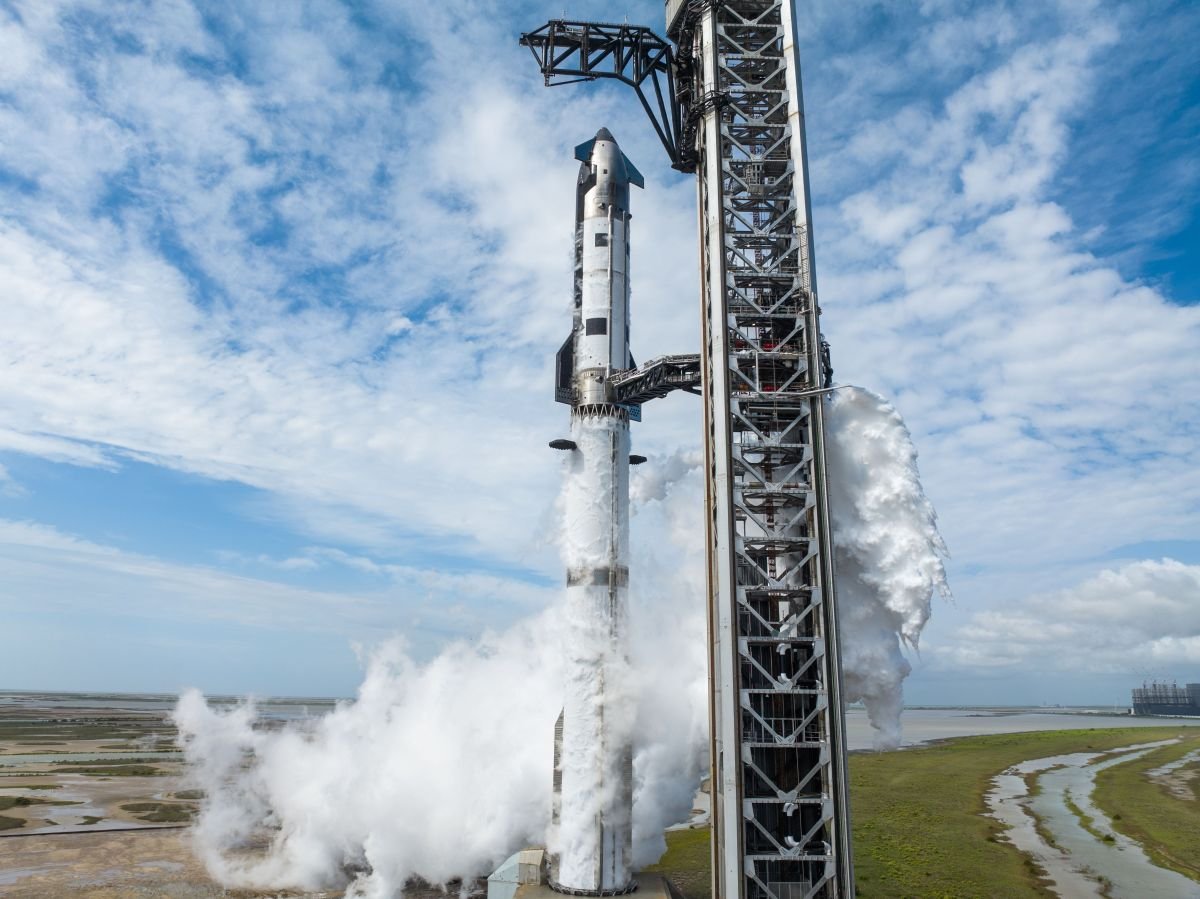
SpaceX faces an early test of its stock resilience on Thursday when it attempts to launch its Starship rocket for the first time since the IPO. Starship remains firmly in development, which means failures are expected under SpaceX fly fail fix philosophy. This will be the first Starship flight since a booster failure in May. The company again does not plan to recover either the booster or the upper stage, opting instead to have them simulate a landing in the Gulf of Mexico. Both parts will end in an explosion regardless of whether the flight goes according to plan.
The Starship launch represents a high profile event that could either reassure investors or add to the uncertainty. A successful test might restore some confidence in the company long term prospects. A failure could fuel further skepticism about Musk timeline and the technology readiness level.
For context on how AI driven trading systems are reacting to volatility like SpaceX stock swings, see our look at AI on Wall Street. Algorithmic trading firms have already begun adjusting their models to account for the unusual float dynamics and the outsized influence of Musk public statements.
The coming days will show whether the stock can stabilize near the IPO price or if the downward trend continues. With the Nasdaq float remaining tiny and the next Starship attempt imminent, traders should expect more turbulence before the company trajectory becomes clearer.
The Netherlands, for internationals
One email a week: the week's news for internationals in the Netherlands, new practical guides and what changed in the cities. No spam, unsubscribe any time.