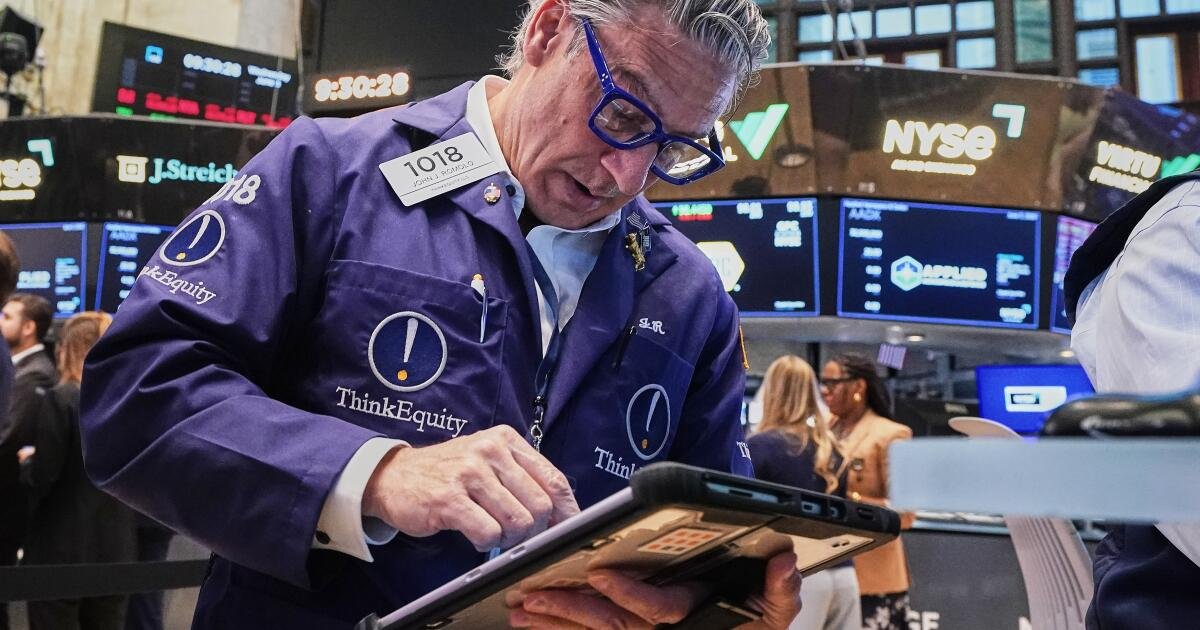
Wall Street has always chased an edge, and for the past two decades that edge has been increasingly computational. Algorithmic trading—using software to execute orders at speeds and scales no human can match—is now the backbone of modern markets. In 2026, artificial intelligence is pushing that evolution into a new phase, moving from rigid rules to systems that learn.
From rules to learning
Traditional algorithmic trading followed explicit instructions: if a condition is met, execute a trade. The newer wave layers machine learning on top, training models to detect patterns across enormous, noisy datasets—price histories, order-book dynamics, economic indicators, even text from news and filings. Rather than being told exactly what to do, these systems learn statistical relationships and adapt as conditions shift.
- Signal discovery: finding subtle, fleeting patterns across many data sources at once.
- Execution: breaking large orders into pieces to minimise market impact and cost.
- Risk management: monitoring exposure in real time and reacting faster than any desk could manually.
Alternative data and NLP
One of the biggest shifts is the use of “alternative data” and natural-language processing. Models can read and score the sentiment of news, earnings calls and regulatory filings in seconds, incorporating that signal into trading decisions. Satellite imagery, shipping data and other unconventional sources feed quantitative strategies hunting for an information advantage.
The democratisation question
For years, sophisticated quantitative trading was the preserve of elite hedge funds and investment banks with deep resources. Cheaper computing, open-source tools and accessible data have begun to lower the barrier, and retail platforms increasingly offer automated strategies. Still, a meaningful gap remains: the best-resourced firms enjoy advantages in data, talent and infrastructure that are hard to match.
The risks the headlines underplay
“AI is dominating Wall Street” makes a snappy headline, but the reality is more sober. Markets are adaptive—an edge that works today can vanish as others discover it. AI models can fail in unexpected ways when conditions diverge from their training data, and crowded algorithmic strategies can amplify volatility, as past “flash crash” episodes have shown. There are also open questions about transparency: when a model makes a decision, can anyone fully explain why?
Regulation and accountability
As AI takes a larger role, regulators are paying closer attention to model risk, market stability and fairness. Firms are expected to understand, document and control the systems they deploy. The lesson from financial history is consistent: powerful tools demand strong oversight.
The realistic outlook
AI is not a money-printing machine, and anyone promising guaranteed returns should be treated with deep suspicion. What AI does offer is a more powerful way to process information and manage execution and risk. In 2026, it is less about machines “dominating” markets than about markets becoming faster, more data-driven, and more dependent than ever on the quality—and the guardrails—of the models running beneath them.
Mylistingo covers AI in finance with a clear eye on hype versus reality. More at mylistingo.com.
The Netherlands, for internationals
One email a week: the week's news for internationals in the Netherlands, new practical guides and what changed in the cities. No spam, unsubscribe any time.