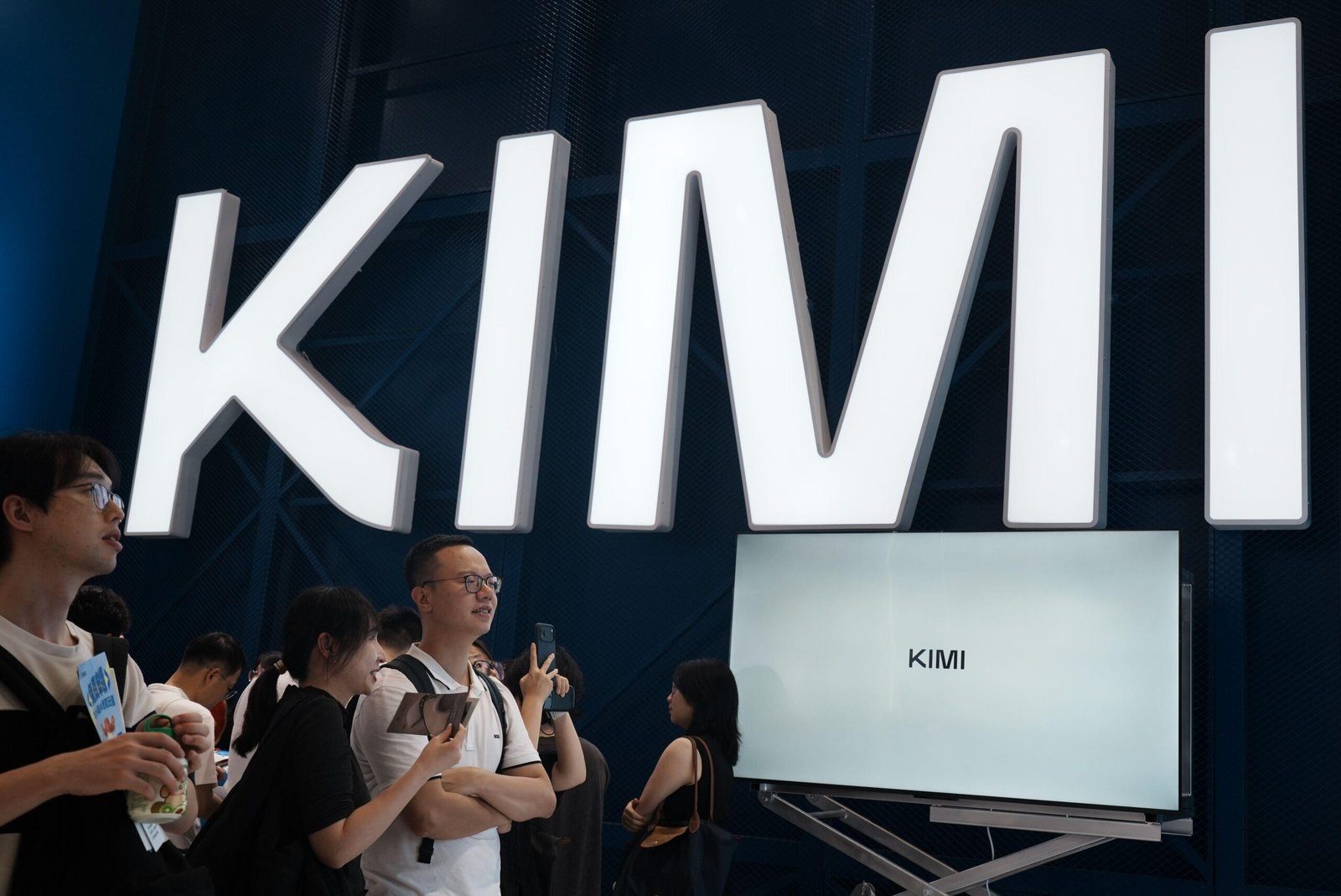
Chinese AI labs are rewriting the rules of competition by giving away their most powerful models for free. On July 27, Moonshot AI released the weights for Kimi K3, the world’s largest publicly available open-weight model, triggering a fierce debate about the future of American AI dominance.
The timing was deliberate. Moonshot dropped K3 at 11AM ET — 11PM in Beijing — making clear that the US market was the target. The release follows months of Chinese labs, including DeepSeek and Alibaba’s Qwen team, releasing cutting-edge models as open-weight, allowing anyone to download, modify, and run them. The strategy is upending the business models of OpenAI, Google, and Anthropic, who have built their revenue around proprietary, API-gated access.
“We reached the point where our research is worth scaling,” Moonshot said in a statement. The K3 model reportedly matches the performance of top-tier closed models from OpenAI and Anthropic at a fraction of the training cost — a claim that, if verified, would undermine the argument that only companies spending hundreds of billions on compute can stay ahead.
The open-weight wave from China has already had real effects. Hugging Face recently used a Chinese open-weight AI model to defend its systems against rogue OpenAI agents, demonstrating the practical security value of accessible models. Nvidia CEO Jensen Huang has publicly backed open-weight approaches, publishing a letter signed by Microsoft, Meta, Palantir, and now OpenAI and Google as well.
Not everyone is on board. Anthropic has faced criticism for appearing to oppose open-weight releases, prompting CEO Dario Amodei to clarify that “Anthropic has never advocated for a ban on open-weights models.” But the tension is real: if the best AI models are available for free, what happens to the business of selling API access to them?
Source: The Verge